

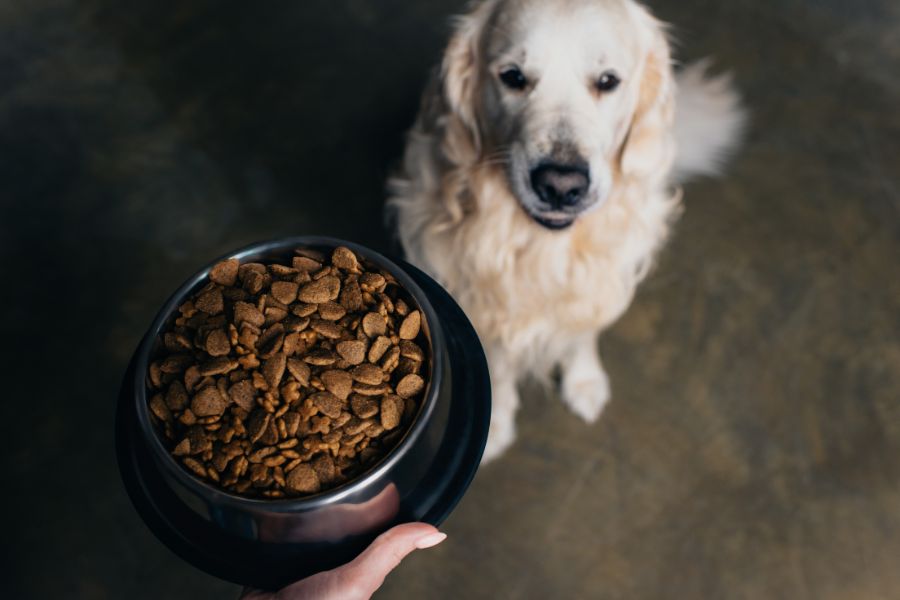
Raising a puppy with food allergies can feel confusing and stressful. Many owners worry about itching, upset stomachs, and slow growth.
This guide explains how to choose safe, nourishing dog food for puppies with allergies, what ingredients matter, what to avoid, and how feeding choices shape lifelong health. You will learn signs to watch for, label tips, and practical feeding habits, all explained clearly for everyday dog parents in Blue Springs.
Why Food Allergies Show Up Early
Puppies grow fast, and their immune systems learn as they grow. Some react poorly to certain proteins or grains. Symptoms often appear as itchy skin, redness in the ears, loose stools, gas, or frequent scratching. These signs may look mild at first. Early attention helps prevent discomfort and supports steady development.
Common Triggers to Watch For
Most reactions come from proteins. Chicken, beef, and dairy often cause trouble. Corn, wheat, and soy can also irritate sensitive pups. Artificial colors and fillers add no value and may worsen symptoms. Reading labels matters because triggers hide under different names.
How Allergy-Friendly Puppy Food Works
Foods made for sensitive puppies focus on simple recipes. They use one main protein and gentle carbs. Many rely on lamb, salmon, turkey, or duck. Carbs often include rice, oats, or sweet potatoes. This approach limits exposure and gives the body time to settle.
Understanding Limited Ingredient Diets
Limited-ingredient diets reduce the number of components in each serving. Fewer ingredients mean fewer chances for reactions. These foods help owners identify what works and what does not. They also support digestion during growth.
The Role of Novel Proteins
Novel proteins come from sources your puppy has not eaten before. Examples include venison, rabbit, or fish. These proteins lower the risk of an immune response. They also provide strong amino acids for muscles and organs.
Grain-Free Versus Whole Grains
Grain-free does not always mean better. Some puppies tolerate grains well. Rice and oats offer energy and fiber. Grain-free formulas suit pups with grain reactions only. Focus on how your puppy responds.
Wet Food or Dry Food for Allergic Puppies
Dry food supports dental health and convenience. Wet food adds moisture and can feel gentler on digestion. Many owners mix both. Choose the format that your puppy eats comfortably.
Reading Labels With Confidence
Start with the first five ingredients. Look for a named protein first. Avoid vague terms like meat meal. Check for short ingredient lists and clear sourcing. Skip foods with artificial flavors, colors, or sweeteners.
Portion Size and Feeding Schedule
Overfeeding stresses digestion. Follow age and weight guidelines. Divide daily portions into three meals for young puppies. Consistent timing helps digestion. Fresh water should stay available all day.
How Long Does It Take to See Improvement
Skin and stool changes take time. Many puppies improve within four to eight weeks on a new food. Avoid switching too fast. Keep treats consistent with the main diet.
When Treats Cause Problems
Treats often contain hidden triggers. Use single-ingredient treats like freeze-dried fish or lamb. Limit quantities. Rewards still work when they stay simple.
Supporting Skin and Coat Health
Omega fatty acids help calm skin and add shine. Many allergy-friendly foods include fish oil. Gentle grooming and clean bedding also reduce irritation.
Working With Local Professionals
Local guidance matters when symptoms persist. Pet families in Blue Springs often benefit from tailored feeding advice based on lifestyle and breed. AniMed Animal Hospital can help evaluate diet history and guide safe food trials.
Mistakes to Avoid
Frequent food changes confuse digestion. Feeding table scraps introduces unknown triggers. Ignoring mild itching allows problems to grow. Stay consistent and observant.
Making Mealtime Enjoyable
Puppies thrive on routine. Calm feeding spaces reduce stress. Praise and gentle interaction build positive habits.
Choosing the Right Path Forward
Every puppy responds differently. Careful observation and steady feeding choices build confidence. The right dog food for puppies supports growth without irritation and sets the stage for a healthy adult life. Simple choices today help prevent chronic discomfort and support better energy, focus, and playful behavior during every growth stage.
If your puppy shows ongoing signs of allergies, book an appointment with AniMed Animal Hospital of Blue Springs to review diet history and feeding habits. Early guidance brings comfort and peace of mind.
Frequently Asked Questions(FAQs):
1. What are the first signs of food allergies in puppies?
A: Early signs include itchy skin, paw licking, ear redness, loose stools, gas, or frequent scratching. These signs may appear gradually. Watching changes in behavior and digestion helps owners act early.
2. Can puppies outgrow food allergies?
A: Some puppies improve as their immune systems mature. Others keep sensitivities into adulthood. Feeding the right diet early reduces flare-ups and supports overall health over time.
3. How soon should I change food if I suspect allergies?
A: Change food only after signs persist for several days. Sudden switches upset digestion. Choose a simple formula and feed it consistently for several weeks.
4. Are homemade diets safe for allergic puppies?
A: Homemade diets carry risks if not balanced. Growing puppies need precise nutrients. Without expert planning, deficiencies may occur. Commercial allergy-friendly foods offer a safer balance.
5. Do probiotics help puppies with allergies?
A: Homemade diets carry risks if not balanced. Growing puppies need precise nutrients. Without expert planning, deficiencies may occur. Commercial allergy-friendly foods offer a safer balance.
6. Should I avoid all grains if my puppy has allergies?
A: No. Some puppies tolerate grains well. Reactions are usually linked to proteins. Focus on how your puppy responds rather than removing grains without cause.
7. Is dog food for puppies enough to manage allergies alone?
A: Food plays a major role, but environment matters too. Clean bedding, gentle grooming, and flea control support skin comfort.