


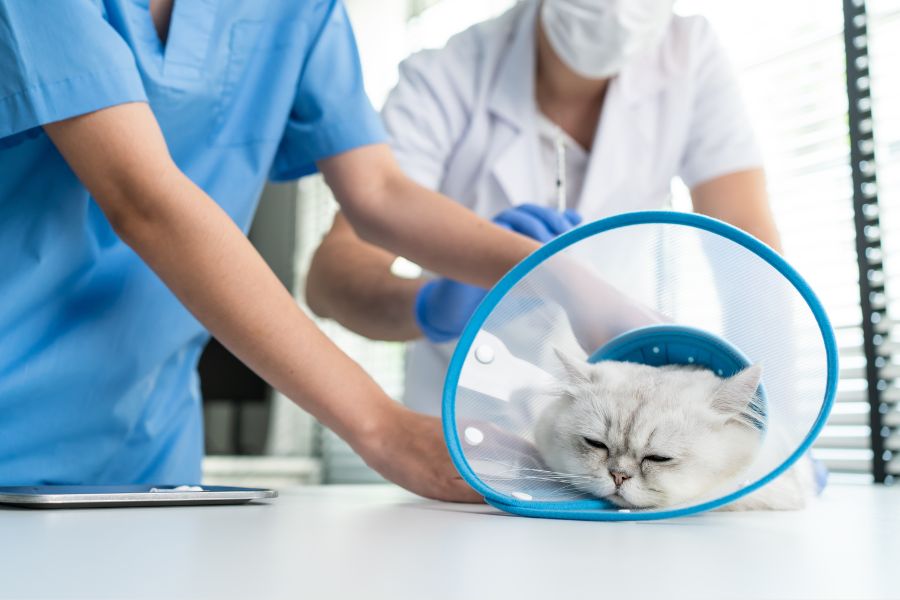
Spaying and neutering are essential procedures that promote the health and well-being of pets. Yet, many pet owners hesitate due to myths, misunderstandings, or a lack of knowledge. In this comprehensive guide, we’ll address common concerns, clarify the differences between spaying and neutering, discuss ideal timings for dogs and cats, and guide you on where to find reliable services.
What Does Spay and Neuter Mean? A Simple Explanation
Before diving into the specifics, it’s crucial to understand what these procedures involve. Spaying is the surgical removal of a female pet’s reproductive organs, including the ovaries and uterus. This procedure prevents pregnancy and reduces the risk of certain health issues, such as uterine infections and breast tumors.
On the other hand, neutering refers to the surgical removal of a male pet’s testicles. This not only prevents reproduction but also helps in reducing unwanted behaviors such as aggression, marking territory, and roaming.
While both procedures are routine, they offer unique benefits for the overall health and behavior of pets. By understanding these procedures, you can make informed decisions that improve your pet’s quality of life.
Spot the Difference: Spaying vs Neutering
Many pet owners mistakenly use these terms interchangeably, but the difference is significant:
| Procedure | Gender | Organs Removed | Key Benefits |
| Spay | Female | Ovaries & uterus | Prevents pregnancy, lowers cancer risk, reduces heat cycles |
| Neuter | Male | Testicles | Prevents reproduction, reduces aggression and roaming, lowers prostate risks |
Understanding this distinction is crucial, especially when discussing your pet’s health plan with a veterinarian.
When to Spay or Neuter Pet Dogs
Timing plays a vital role in ensuring the safety and effectiveness of these procedures. For dogs, most veterinarians recommend spaying or neutering between 6 to 12 months of age. However, this can vary depending on breed, size, and overall health.
- Small breeds often undergo the procedure closer to six months.
- Large or giant breeds may benefit from waiting until around 12 to 18 months to allow proper skeletal development.
Early spaying or neutering can prevent unwanted behaviors and reproductive issues. However, it’s essential to consult with your veterinarian to determine the best time for your specific dog, considering both health and growth factors.
When to Spay or Neuter Pet Cats
Cats generally reach sexual maturity earlier than dogs, with female cats going into heat as early as five months old. Consequently, veterinarians often recommend spaying or neutering between 4 to 6 months of age.
- Early spaying prevents heat cycles in females and aggressive behaviors in males.
- Neutering male cats can reduce territorial spraying and fighting tendencies.
It’s also worth noting that early intervention in cats significantly reduces the risk of overpopulation, which is a major concern for animal shelters and communities.
Key Considerations for Timing Across Pets
While the general timelines provide guidance, every pet is unique. Consider these factors before scheduling surgery:
- Health Status: Ensure your pet is healthy and free from infections or chronic conditions.
- Breed & Size: Large-breed dogs may require a slightly delayed procedure.
- Behavioral Factors: Some pets may benefit from earlier neutering to curb aggressive or unwanted behaviors.
- Veterinarian Recommendation: Always follow professional advice tailored to your pet.
Where to Do Spay or Neuter of Your Pets
Choosing the right veterinary facility ensures your pet’s safety and comfort during and after surgery. If you are conveniently located in Blue Springs, MO, and searching for the best spay & neuter service near me, AniMed Animal Hospital is the right choice for compassionate, advanced, and reliable pet care.
AniMed provides:
- Skilled veterinarians experienced in spay and neuter surgeries
- Low-stress handling techniques for pets
- State-of-the-art surgical facilities and post-operative care
- Personalized guidance on recovery and preventive care
Selecting a trusted clinic ensures your pet receives top-notch care, reducing stress for both your pet and you.
Common Concerns and Misconceptions
Many pet owners hesitate to spay or neuter due to myths. Here are some of the most common concerns:
- “My pet will gain weight after surgery.”
While metabolism may slow slightly, weight gain is preventable with proper diet and exercise. - “It’s better to let my pet have one litter first.”
Research shows that early spaying and neutering actually improves long-term health and reduce cancer risks. - “My pet will become lazy or lose personality.”
Most pets maintain their energy levels and personality. Behavioral improvements, such as reduced aggression or roaming, are often observed. - “Surgery is risky.”
Spaying and neutering are routine procedures with very low complication rates, especially when performed by experienced veterinarians.
By addressing these concerns, pet owners can make confident, informed decisions that benefit their pets’ health and happiness.
Post-Operative Care: Ensuring a Smooth Recovery
Recovery is a crucial part of the spaying or neutering process. Key steps include:
- Limiting physical activity for a few days
- Monitoring the surgical site for swelling or discharge
- Administering medications as prescribed by the veterinarian
- Providing a comfortable, quiet environment for rest
Following these steps ensures a safe recovery, helping your pet return to normal activities quickly.
Spaying and neutering are more than medical procedures—they are essential aspects of responsible pet ownership. By understanding the differences, knowing the ideal timing for dogs and cats, and choosing trusted veterinary care like AniMed Animal Hospital, you’re taking a proactive step toward your pet’s lifelong health.
Ultimately, these procedures prevent overpopulation, reduce health risks, and improve behavior, creating a happier environment for both pets and owners.
Related Articles
