

Dog behaviour problems affect nearly every pet household at some point, from barking at passing cars to pulling on the leash or guarding food bowls. This guide explains why these challenges develop, how to address them at home, and when professional support matters.
You will learn practical training steps, daily routines that shape calmer habits, and clear ways to read your dog’s signals. The goal is confidence, safety, and a stronger bond built on consistency and patience. Every section focuses on simple actions you can start today, ending this introduction with one local note for readers in Blue Springs, MO.
Understanding Why Behavior Issues Start
Dogs communicate through actions. When needs go unmet, frustration grows. Limited exercise, unclear rules, sudden schedule changes, and past experiences all influence responses. Genetics plays a role in sensitivity and energy levels. Puppies explore with their mouths. Adolescents test boundaries. Adults settle into patterns that reflect daily structure.
Stress adds pressure. Loud environments, long absences, or mixed messages create confusion. Owners sometimes reward the wrong behavior without realizing it, such as petting during anxious moments or offering treats to stop whining. Learning starts with observation. Track triggers, timing, and outcomes. Patterns reveal causes.
Core Principles That Drive Real Change
1. Consistency Beats Intensity
Short, frequent sessions daily teach faster than long drills. Set clear household rules. Use the same cues and rewards. Practice in calm spaces before adding distractions. Progress depends on repetition, not force.
2. Reward What You Want to See
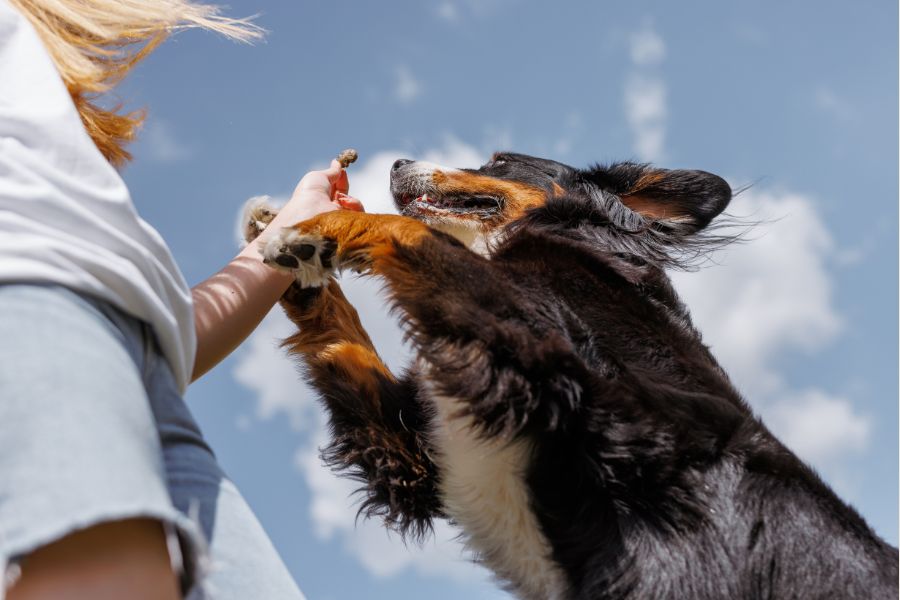
Positive reinforcement builds trust. Praise, play, and small treats mark success. Ignore minor mistakes. Redirect unwanted actions toward acceptable outlets like chew toys or puzzle feeders.
3. Meet Physical and Mental Needs
Daily walks, sniff time, and games drain excess energy. Training games, food puzzles, and basic commands sharpen focus. A tired brain makes better choices.
4. Manage the Environment
Remove temptations. Block access to trash. Use baby gates. Keep shoes out of reach. Prevention reduces setbacks while new habits form.
Solving the Most Common Problems at Home
Clear plans reduce dog behaviour problems and help families stay on track.
1. Excessive Barking
Identify the reason: boredom, alerting, anxiety, or attention seeking. Provide enrichment before peak barking hours. Teach a quiet cue by rewarding brief pauses. Cover windows if outside motion triggers reactions.
2. Jumping on People
Ignore the jump. Turn away. Reward four paws on the floor. Ask guests to follow the same routine. Practice greetings with family until calm becomes automatic.
3. Leash Pulling
Start in low-distraction areas. Reward loose leash steps. Stop when tension appears. Change direction to regain attention. A front-clip harness offers guidance without discomfort.
4. Chewing and Destruction
Offer legal chew options. Rotate toys to keep interest. Confine during unsupervised time. Increase exercise if destruction appears after long rests.
5. Separation Stress
Build independence through short departures. Leave enrichment toys only for alone time. Keep arrivals low-key. Increase duration in small steps.
6. Resource Guarding
Hand-feed portions. Trade objects for higher-value treats. Practice approach-and-drop games. Avoid grabbing items from mouths. Safety matters; seek a trainer for intense cases.
Building a Simple Training Plan
Create a weekly schedule. Pick two behaviors to improve. Set measurable goals like “three calm greetings per day.” Track progress on a phone note. Adjust routines that stall results. Celebrate small wins.
Midway through most training journeys, owners notice how habits shift when expectations stay clear and rewards stay timely. Progress feels slow on some days. Stick with the plan.
When Home Efforts Need Extra Support
Professional trainers help with tailored strategies, especially for fear, aggression, or repeated setbacks. Choose reward-based methods. Ask about certifications, experience, and follow-up. Group classes add social skills. Private sessions target specific triggers.
Conclusion
Lasting change grows from clarity, kindness, and steady practice. Focus on routines that meet physical needs, reward calm choices, and prevent mistakes while learning unfolds. Track triggers, celebrate progress, and ask for guidance when challenges feel heavy.
Every dog benefits from patience and structure during setbacks. If you are in Blue Springs, MO, and looking for veterinary dental care, book an appointment with AniMed Animal Hospital. With commitment and support, dog behaviour problems become stepping stones toward a happier home.
Frequently Asked Questions(FAQs):
1. How long does it take to change a dog’s behavior?
A: Most dogs show improvement within two to four weeks of consistent practice. Lasting change takes months. Daily routines, clear rewards, and patient repetition matter more than speed. Each dog learns at a different pace based on age, history, and environment.
2. Can older dogs still learn new habits?
A: Yes. Adult and senior dogs learn with the same reward-based approach used for puppies. Sessions stay short and upbeat. Adjust expectations for stamina. Focus on comfort, clear cues, and meaningful rewards. Progress may feel gradual, but results arrive with steady effort.
3. What should I do if my dog growls?
A: Respect the warning. Create space. Identify the trigger. Prevent repeat situations while you teach safer responses. Reward calm choices from a distance. For persistent growling, work with a qualified trainer who uses humane methods and prioritizes safety for everyone involved.
4. Are shock collars or harsh tools effective?
A: Tools that cause fear suppress signals without teaching alternatives. Dogs may appear quieter while stress rises. Reward-based training builds understanding and trust. Choose equipment that guides gently, like front-clip harnesses, and focus on teaching behaviors you want to see.
5. How much daily exercise does my dog need?
A: Needs vary by breed, age, and health. Many dogs thrive with two walks plus play or training. High-energy dogs require more outlets. Watch behavior for clues: restlessness signals more activity; calm naps suggest needs are met.
6. My dog listens at home but not outside. Why?
A: Distractions change the picture. Practice skills in stages, from quiet rooms to busy sidewalks. Lower expectations in new places. Increase reward value. Short sessions in varied locations build reliability over time.