


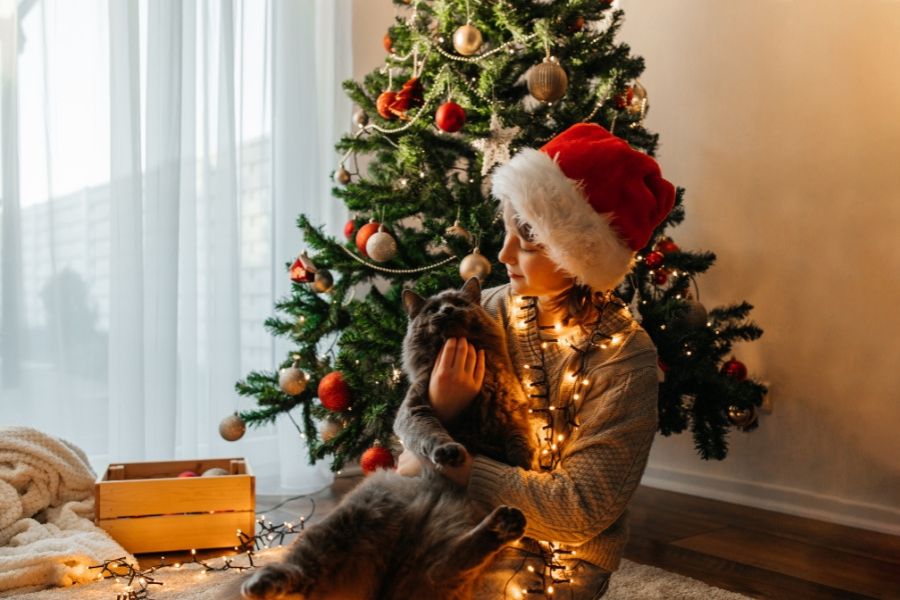
The holiday season is often associated with decorations, gatherings, and joyful celebrations. However, during this time, many hidden risks are introduced into the home. Therefore, a pet-safe holiday home should be intentionally created to reduce stress and prevent accidents. With a few mindful adjustments, a festive environment can be enjoyed while strong pet safety standards are maintained.
Throughout this guide, practical steps will be explained so that common hazards are avoided, and pets are kept calm, healthy, and secure. Moreover, these measures can be applied easily without sacrificing the holiday spirit.
Why Holiday Preparation Matters for Pets
During holidays, routines are often disrupted. As a result, pets may be exposed to unfamiliar objects, loud sounds, and different people. Decorations are displayed, special foods are prepared, and doors are opened more frequently. Consequently, the risk of injury or illness can be increased if proper planning is not done.
For this reason, pet safety should be treated as a priority during seasonal celebrations. By understanding potential dangers, preventive steps can be taken in advance.
Decorating With Pets in Mind
Holiday decorations are visually appealing, but many of them pose risks to animals. Therefore, careful placement and material selection are recommended.
First, ornaments should be placed higher on trees or shelves. Fragile items can easily be knocked over and broken, which may lead to cuts or ingestion of sharp pieces. Additionally, tinsel and ribbons should be avoided or secured, as they are often swallowed by curious pets.
Next, electrical cords for lights should be covered or tucked away. Chewing behavior is common, especially in young pets. As a result, burns or shocks can be prevented through cord protectors.
By taking these steps, decoration-related accidents are less likely to occur, and overall pet safety can be preserved.
Managing Holiday Plants and Candles
Although seasonal plants are popular, many are toxic to pets. For example, poinsettias, mistletoe, and lilies should be kept out of reach or avoided altogether. Even small amounts can cause digestive upset or more serious reactions.
Similarly, candles should never be left unattended. Tails can be singed, and curious noses may get too close to open flames. Therefore, flameless candles are often considered a safer alternative. Through these simple substitutions, the home can remain festive while pet safety is reinforced.
Creating a Pet Safe Food Environment
Holiday meals are often rich and flavorful. However, many traditional foods are unsafe for pets. Foods such as chocolate, onions, garlic, grapes, and fatty leftovers should never be shared.
Instead, pets should be provided with their regular diet to avoid stomach upset. Treats designed specifically for animals can be offered in moderation. Moreover, trash bins should be secured with lids, as food scraps are often scavenged.
When guests are present, reminders can be gently shared so that table scraps are not given. In this way, dietary hazards are minimized, and pet safety is maintained.
Preparing for Guests and Gatherings
During celebrations, homes are often filled with visitors. While social interaction can be positive, it may also cause anxiety for some pets. Therefore, a quiet space should be prepared where pets can retreat.
This area can be set up with familiar bedding, toys, and water. As a result, stress levels may be reduced. Additionally, doors and gates should be monitored closely, since escapes are more common during busy gatherings.
Clear instructions can be provided to guests regarding handling pets, especially children. Through calm supervision, interactions can be kept positive and safe.
Noise, Travel, and Routine Changes
Fireworks, music, and unfamiliar noises are common during holidays. For noise-sensitive pets, calming tools such as soft music or anxiety wraps can be used. Windows and doors should be closed to limit exposure to loud sounds.
If travel is planned, pets should be secured in carriers or seat restraints. Their identification tags and microchip information should also be checked in advance. In addition, travel schedules should be planned carefully to reduce stress.
Even when schedules change, basic routines such as feeding and walks should be maintained as much as possible. Stability is comforting, and pet safety is supported through predictability.
When Veterinary Guidance Is Needed
Sometimes, additional support may be required. If concerns about anxiety, diet, or existing health conditions arise, professional guidance should be sought. Preventive advice can help reduce risks before problems develop.
For local pet owners, holiday-specific concerns can be addressed with timely veterinary guidance. Contact us to help ensure celebrations remain enjoyable for both pets and families.
Long-Term Benefits of Holiday Pet Safety Planning
When a pet-safe holiday home is created, benefits extend beyond the season itself. Pets are less likely to experience injuries, stress-related behaviors, or emergency health issues. Furthermore, pet owners can enjoy peace of mind during celebrations.
Over time, these habits become part of regular household routines. As a result, pet safety awareness is strengthened year after year.
Frequently Asked Questions( FAQs):
1. How can holiday decorations be made safer for pets?
A: Decorations should be placed out of reach, fragile items should be avoided, and cords should be secured. Toxic plants and open flames should also be removed to improve pet safety.
2. How can holiday decorations be made safer for pets?
A: Decorations should be placed out of reach, fragile items should be avoided, and cords should be secured. Toxic plants and open flames should also be removed to improve pet safety.
3. Are holiday foods safe for pets to eat?
A: Most holiday foods are not safe for pets. Chocolate, fatty foods, and certain fruits and vegetables should be avoided. Pets should be fed their regular diet instead.
4. What should be done if a pet eats something harmful?
A: A veterinarian should be contacted immediately. Prompt action is important if toxic foods or decorations are ingested.
5. Is holiday travel stressful for pets?
A: Travel can be stressful, but proper planning helps. Secure carriers, familiar routines, and regular breaks can make trips safer and more comfortable.
Related Articles
