
National Pet Day is a special occasion dedicated to celebrating the love, companionship, and joy that pets bring into our lives. It is also a meaningful reminder for pet owners to focus on the health and well-being of their furry companions. One of the most important aspects of responsible pet care is vaccination awareness.
Vaccinations protect pets from life-threatening diseases, reduce the spread of infections, and ensure a longer, healthier life. At AniMed Animal Hospital, serving Blue Springs and surrounding areas, we believe National Pet Day is the perfect time to educate pet owners about the importance of keeping vaccinations up to date.
What is Pet Vaccination and Why Does It Matter?
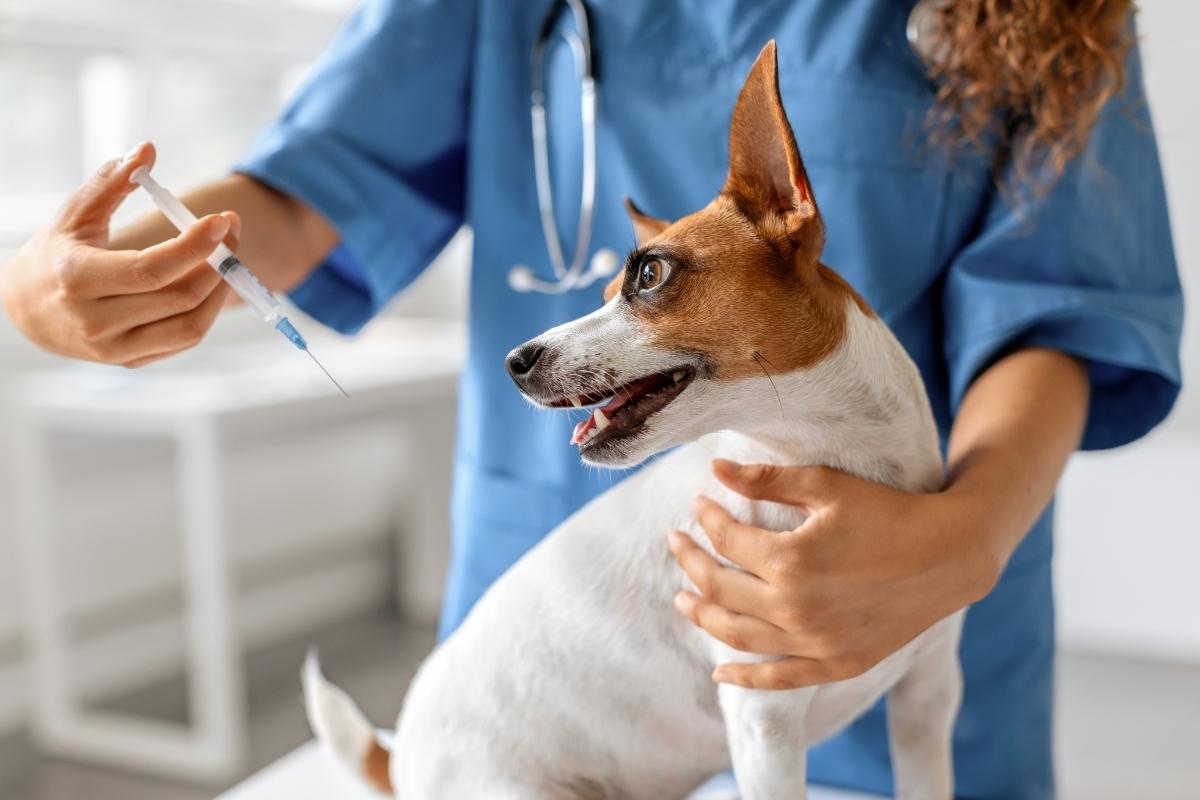
Pet vaccination is a preventive medical process that helps protect dogs and cats from dangerous infectious diseases. Vaccines stimulate the immune system to recognize and fight harmful viruses or bacteria before they cause serious illness.
Just like humans, pets need regular immunization to stay protected. Without vaccines, pets are at risk of diseases that can be costly to treat or even fatal.
Vaccination is not only about individual pet health—it also helps control the spread of contagious diseases within the community.
Why Vaccination Awareness is Important on National Pet Day
National Pet Day is more than just a celebration—it is an opportunity to reflect on responsible pet ownership. Vaccination awareness plays a crucial role in ensuring pets live safe and healthy lives.
Here’s why it matters:
1. Prevents Life-Threatening Diseases
Vaccines protect pets from severe diseases such as rabies, distemper, parvovirus, and feline leukemia. These illnesses can spread quickly and often have serious consequences if not prevented early.
2. Protects Other Animals and Humans
Some diseases, like rabies, are zoonotic—meaning they can spread from animals to humans. Vaccination helps protect not only pets but also families and communities.
3. Reduces Long-Term Medical Costs
Preventing disease through vaccination is far more affordable than treating advanced infections. Regular vaccinations at a trusted veterinary hospital can save pet owners from expensive emergency treatments.
4. Ensures a Longer, Healthier Life
Vaccinated pets tend to live longer and healthier lives. Immunization supports a strong immune system and reduces the risk of chronic illnesses.
5. Strengthens Responsible Pet Ownership
National Pet Day encourages awareness about proper pet care. Keeping vaccines updated reflects responsible ownership and commitment to a pet’s well-being.
Essential Vaccines for Dogs and Cats
Understanding which vaccines your pet needs is essential for proper care.
For Dogs:
- Rabies Vaccine
- Distemper Vaccine
- Parvovirus Vaccine
- Adenovirus (Hepatitis) Vaccine
- Bordetella (Kennel Cough) Vaccine
For Cats:
- Rabies Vaccine
- Feline Distemper (FVRCP) Vaccine
- Feline Leukemia Virus (FeLV) Vaccine
- Calicivirus Vaccine
- Herpesvirus Vaccine
A professional veterinarian at a trusted animal hospital can guide you on the right vaccination schedule based on your pet’s age, breed, and lifestyle.
When Should Pets Be Vaccinated?
Vaccination schedules typically begin when pets are young:
- Puppies and kittens start vaccines at 6–8 weeks of age
- Booster shots are given every 3–4 weeks until they are around 16 weeks old
- Adult pets require regular booster shots annually or as recommended by a veterinarian
Skipping or delaying vaccines can put pets at serious risk, especially during seasonal outbreaks.
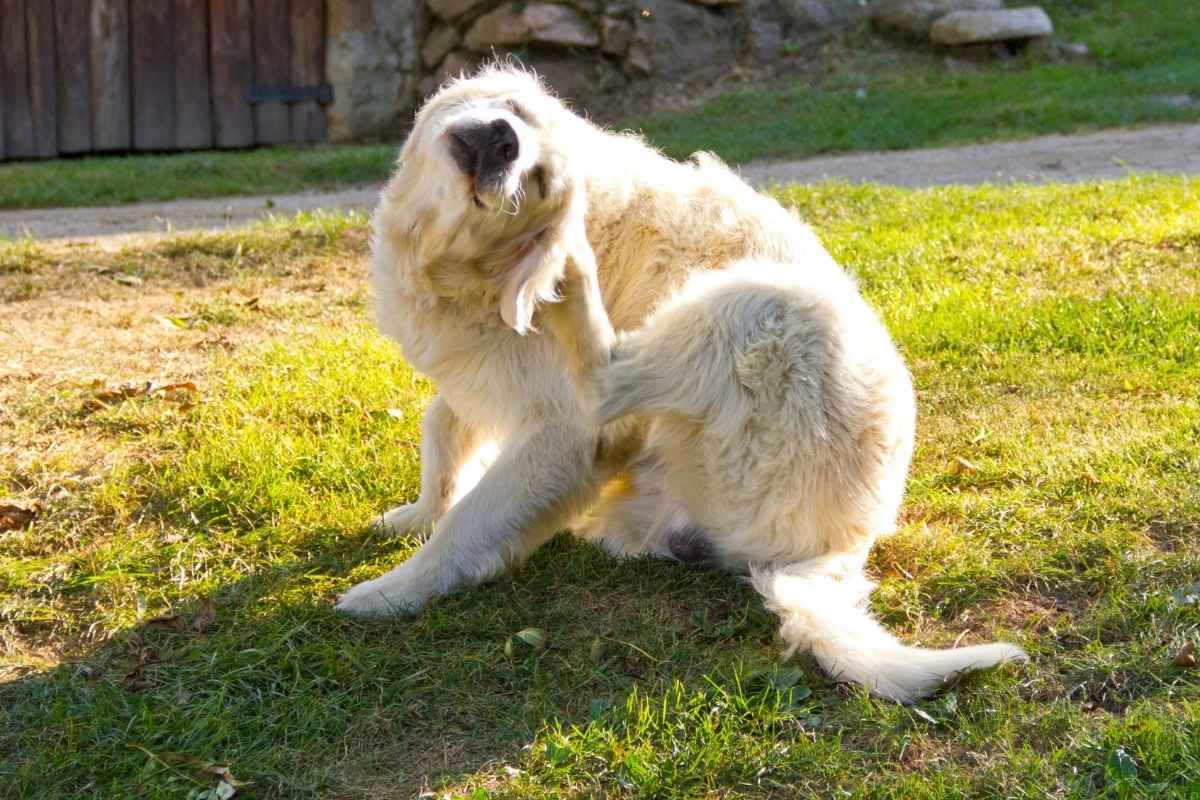
Signs Your Pet May Be at Risk
Even vaccinated pets require monitoring. Watch for signs that may indicate infection or weakened immunity:
- Persistent fever
- Loss of appetite
- Lethargy or weakness
- Coughing or breathing difficulty
- Vomiting or diarrhea
- Skin infections or unusual behavior
If you notice any of these symptoms, contact a veterinary hospital immediately for proper diagnosis and care.
Role of AniMed Animal Hospital in Pet Vaccination
At AniMed Animal Hospital, we are committed to providing high-quality preventive care for pets in Blue Springs and surrounding areas. Our experienced team ensures that every pet receives personalized vaccination schedules based on their health needs.
We believe prevention is better than cure, and regular vaccination is one of the simplest ways to protect your pet’s future.
Whether you are welcoming a new puppy or kitten or maintaining adult pet care, our team is here to help you every step of the way.
If you are unsure about your pet’s vaccination status, it’s time to book an appointment with a trusted animal hospital and ensure your pet is fully protected.
Tips for Pet Owners on National Pet Day
Make National Pet Day meaningful with these simple actions:
- Schedule a vaccination check-up
- Update medical records
- Give your pet a healthy treat or toy
- Spend quality time outdoors safely
- Discuss preventive care with your veterinarian
Small steps can make a big difference in your pet’s long-term health.
Conclusion
Vaccination awareness is a vital part of responsible pet ownership, and National Pet Day serves as the perfect reminder to prioritize your pet’s health. Vaccines protect against dangerous diseases, extend your pet’s life, and safeguard your family and community.
AniMed Animal Hospital proudly supports pet owners in Blue Springs and surrounding areas by offering reliable preventive care services. If your pet’s vaccinations are due or overdue, don’t wait— book an appointment today and ensure your pet receives the protection they deserve.
FAQs
1. Why are vaccinations important for pets?
Vaccinations protect pets from serious and sometimes fatal diseases by strengthening their immune system and preventing infections.
2. How often should my pet be vaccinated?
Puppies and kittens need a series of vaccines early in life, followed by booster shots annually or as recommended by a veterinarian.
3. Can unvaccinated pets spread diseases to humans?
Yes, some diseases like rabies can spread from animals to humans, making vaccination essential for public safety.
4. What happens if I miss my pet’s vaccination schedule?
Missing vaccines can leave your pet vulnerable to infections. It’s best to consult a veterinary hospital to update missed doses safely.
5. Are vaccines safe for all pets?
Yes, vaccines are generally safe. A veterinarian will assess your pet’s health before administering any vaccine to ensure safety.
6. Where can I get my pet vaccinated in Blue Springs?
You can visit AniMed Animal Hospital or book an appointment with a trusted animal hospital in Blue Springs and surrounding areas for complete vaccination care.