


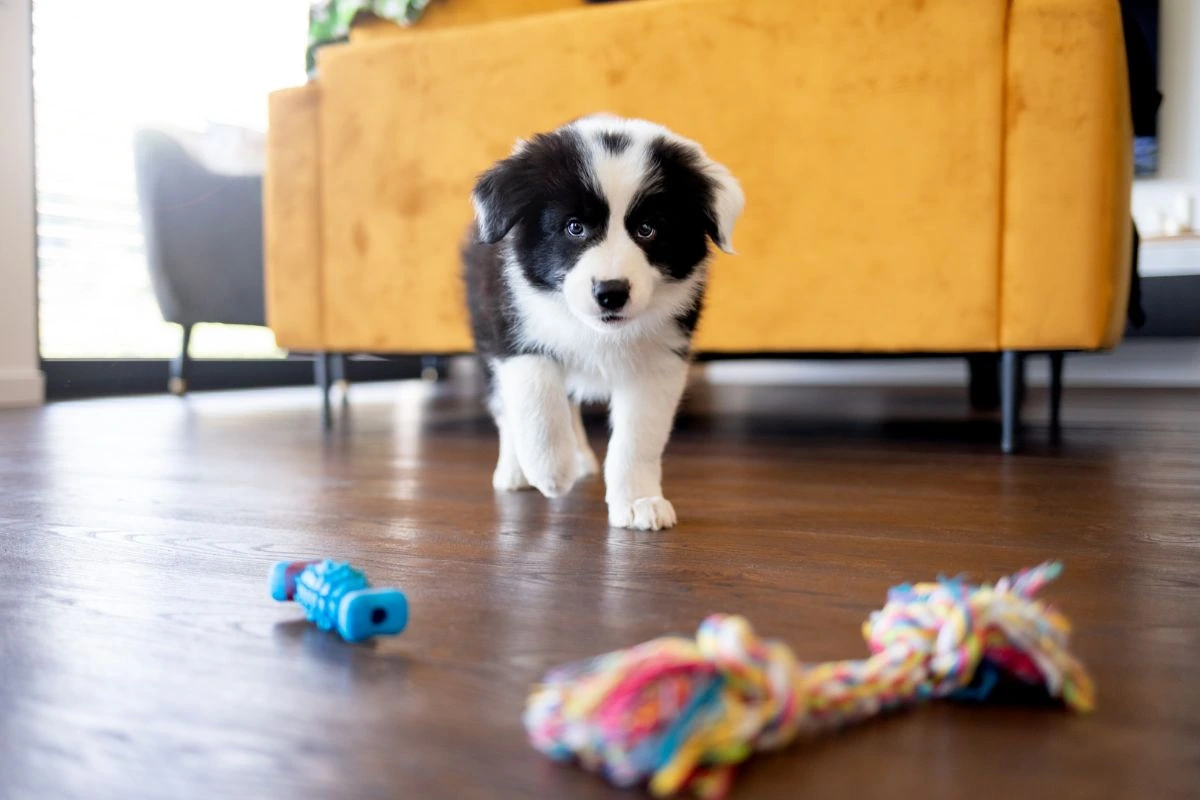
Bringing home a new puppy is exciting, but it also comes with many questions—especially about exercise. While puppies are naturally playful and full of energy, finding the right balance is essential. Too much or too little activity can impact their growth, behavior, and overall health.
Understanding your puppy’s exercise needs helps build a strong foundation for a healthy and happy life. With the right routine, you can support proper development while preventing common behavioral issues.
Why Exercise Matters for Puppies
Exercise is a crucial part of a puppy’s development. Regular physical activity not only keeps your puppy active but also supports long-term health.
Key benefits include:
- Strong muscle and bone development
- Healthy weight management
- Improved heart health
- Reduced anxiety and boredom
- Better social and behavioral skills
However, because puppies are still growing, their exercise routines must be carefully managed. Professional guidance and routine veterinary care can help ensure your puppy stays on the right track.
How Much Exercise Does a Puppy Really Need?
A widely recommended guideline is:
???? 5 minutes of exercise per month of age, up to twice daily
Example:
- 2-month-old puppy → 10 minutes
- 3-month-old puppy → 15 minutes
- 4-month-old puppy → 20 minutes
This includes walks, playtime, and training sessions.
Keep in mind that each puppy is unique. Factors such as breed, size, and energy level all influence how much exercise is appropriate. For personalized recommendations, it’s always best to consult a veterinarian providing trusted veterinary care in Blue Springs.
Types of Safe Exercise for Puppies
Short Walks
Short, controlled walks allow puppies to explore their surroundings safely. Avoid long distances or rough terrain, especially in early months.
Interactive Play
Games like fetch or tug-of-war provide both physical and mental stimulation. These activities also help strengthen your bond with your puppy.
Training Sessions
Training isn’t just about obedience—it’s also a great way to burn energy. Teaching commands like sit, stay, and come keeps your puppy mentally engaged.
Social Play
Supervised play with other vaccinated puppies helps improve social skills and confidence. Early socialization is key to raising a well-adjusted dog.
Signs Your Puppy Needs More Exercise
If your puppy isn’t getting enough activity, you may notice behavioral changes.
Common signs include:
- Excessive chewing
- Constant barking or whining
- Hyperactivity
- Difficulty settling down
Increasing structured playtime and activity can help manage these issues effectively.
Signs of Over-Exercising Your Puppy
Too much exercise can be harmful, especially for growing puppies. Their bones and joints are still developing, making them more vulnerable to injury.
Watch for:
- Limping or stiffness
- Excessive tiredness
- Reluctance to walk
- Heavy panting
If these symptoms appear, allow your puppy to rest and seek professional veterinary care if needed.
Mental Stimulation Is Just as Important
Exercise isn’t only physical—mental stimulation plays a huge role in your puppy’s development.
Try:
- Puzzle toys
- Hide-and-seek games
- Basic obedience training
Mental enrichment helps reduce boredom and prevents destructive behavior.
Creating a Balanced Exercise Routine
A healthy routine includes a mix of activity, training, and rest.
Follow Age-Appropriate Guidelines
Gradually increase exercise as your puppy grows.
Prioritize Rest
Puppies need plenty of sleep—often 16–20 hours per day—to support growth.
Combine Exercise with Proper Nutrition
Balanced nutrition supports energy levels and muscle development.
Schedule Regular Checkups
Routine visits ensure your puppy is developing properly. A trusted provider of veterinary care can help adjust exercise recommendations as your puppy grows.
Breed and Size Considerations
Not all puppies have the same energy levels.
High-energy breeds:
- Labrador Retrievers
- Border Collies
- Australian Shepherds
These breeds may require more structured activity.
Low-energy or small breeds:
- Bulldogs
- Shih Tzus
- Pugs
These puppies typically need shorter, less intense exercise sessions.
Understanding your puppy’s breed helps you create a more effective routine.
Weather and Environment Factors
Exercise needs can change depending on the environment.
Keep in mind:
- Avoid extreme heat or cold
- Walk during cooler parts of the day
- Provide fresh water at all times
In Blue Springs, seasonal changes can impact outdoor activity, so adjust your routine accordingly.
When to Talk to a Veterinarian
If you’re unsure about your puppy’s exercise needs, professional guidance is essential. A veterinarian can evaluate your puppy’s health, breed, and development stage to recommend the safest routine.
If you notice unusual behavior, fatigue, or mobility issues, don’t wait. Early intervention can prevent long-term problems.
Pet owners in Blue Springs can schedule an appointment with Animed Animal Hospital for personalized guidance and expert veterinary care tailored to their puppy’s needs.
Long-Term Benefits of Proper Exercise
Establishing a healthy routine early in life leads to long-term benefits, including:
- Better behavior and obedience
- Reduced risk of obesity
- Stronger joints and muscles
- Improved emotional well-being
A well-exercised puppy grows into a healthier, happier adult dog.
Final Thoughts
Exercise is a vital part of raising a healthy puppy, but balance is key. Too little activity can lead to behavioral problems, while too much can harm developing joints.
By following age-appropriate guidelines, incorporating mental stimulation, and seeking expert advice, you can create a routine that supports your puppy’s growth and happiness.
If you have questions about your puppy’s activity level or overall health, don’t hesitate to schedule an appointment with Animed Animal Hospital in Blue Springs. Their experienced team provides compassionate veterinary care to help your puppy thrive at every stage of life.
FAQs
Q1. How often should I exercise my puppy?
Ans. Most puppies benefit from two short exercise sessions per day along with play and training activities.
Q2. Can puppies go on long walks?
Ans. No, long walks are not recommended for young puppies. Stick to short, gentle walks.
Q3. Does breed affect exercise needs?
Ans. Yes, high-energy breeds require more activity compared to smaller or low-energy breeds.
Q4. Is indoor play enough exercise?
Ans. Indoor play helps, but it should be combined with outdoor walks and training.
Q5. When can puppies handle intense exercise?
Ans. Most dogs can gradually increase activity levels after 12–18 months, depending on breed and size.
Related Articles
