
Dogs recover best when families understand what healing involves, what daily care looks like, and how to support comfort at home. This guide explains injury basics, treatment paths, home care steps, and realistic timelines.
You will learn how activity control, pain relief, nutrition, and simple exercises work together. We also answer common questions so you can feel confident after a diagnosis of Cruciate Ligament Rupture and prepare for possible pet surgery.
Understanding the Injury
A torn knee ligament limits stability and causes pain. Many dogs show limping, stiffness following rest, or trouble rising. Some injuries happen suddenly during play. Others develop over time from wear, body weight, or leg shape. Early care protects the joint and reduces strain on the other knee.
Treatment Options Explained
Care plans depend on size, age, lifestyle, and severity. Small dogs sometimes improve with rest, braces, weight control, and guided rehab. Larger or active dogs often benefit from pet surgery that restores stability and allows stronger healing. Your care team explains benefits, risks, and costs so you can choose wisely.
What Surgery Involves
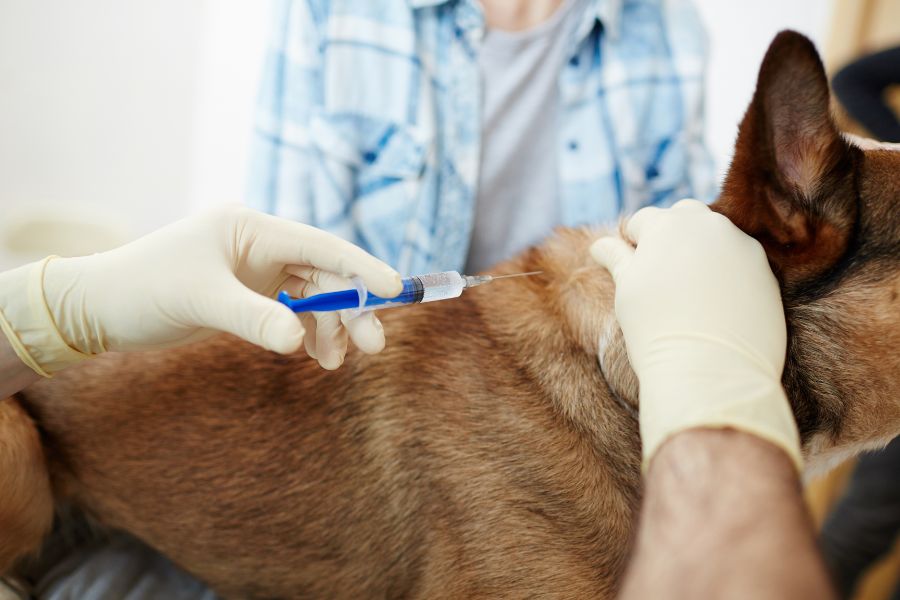
Modern procedures change how weight moves through the knee, reducing pain and improving movement. The goal is a steady joint that lets your dog walk, run, and climb again. Most dogs go home the same day with pain medicine and clear instructions.
Non Surgical Support
When surgery is not chosen, structured rest matters. Short leash walks, controlled stairs, soft bedding, and ice during flare-ups help. Rehab sessions build muscle safely. Supplements and anti-inflammatory support may be recommended. Progress takes patience and consistency.
The First Two Weeks at Home
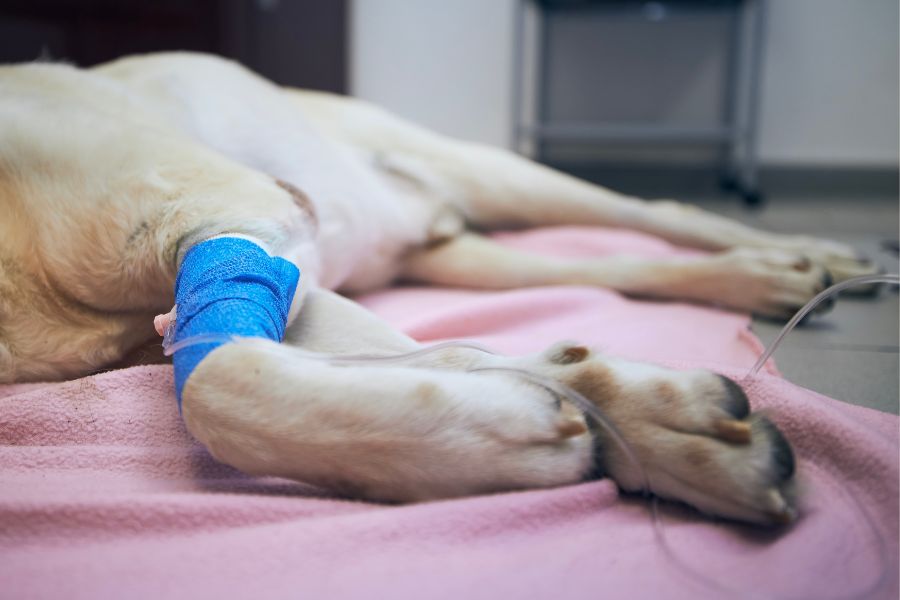
Quiet recovery starts right away. Use a small room or pen. Keep floors non-slip. Carry small dogs on stairs. Use a harness for bathroom trips. Give medicines on schedule. Check the incision daily for redness, swelling, or discharge. Appetite changes can happen, so offer easy-to-digest meals and fresh water.
Building Strength and Confidence
As healing continues, guided movement begins. Slow leash walks grow longer. Simple sit-to-stand drills strengthen hips and thighs. Balancing work on soft surfaces improves coordination. Rehab visits add an underwater treadmill or gentle stretching when appropriate. Many families notice steady gains as muscles rebuild following a Cruciate Ligament Rupture.
Emotional Support for Your Dog
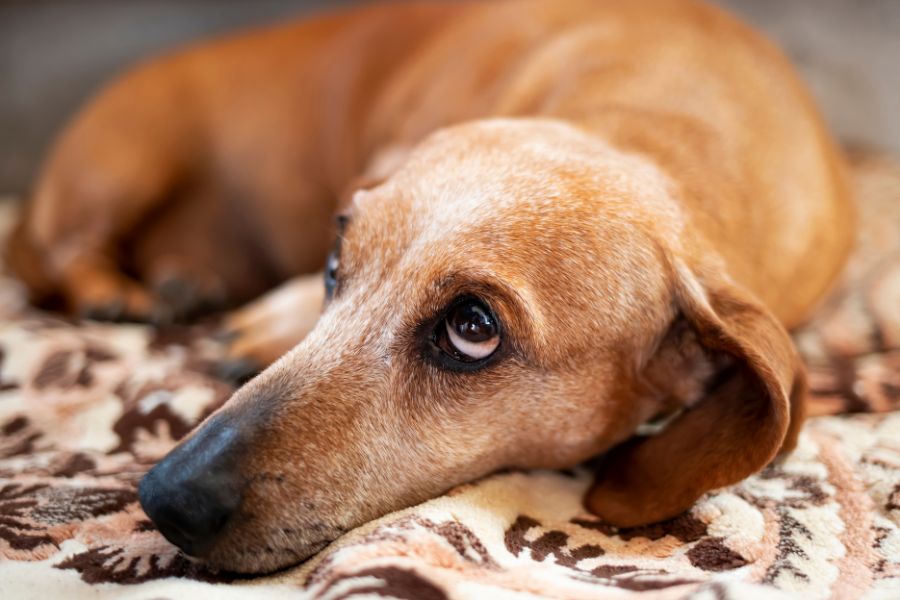
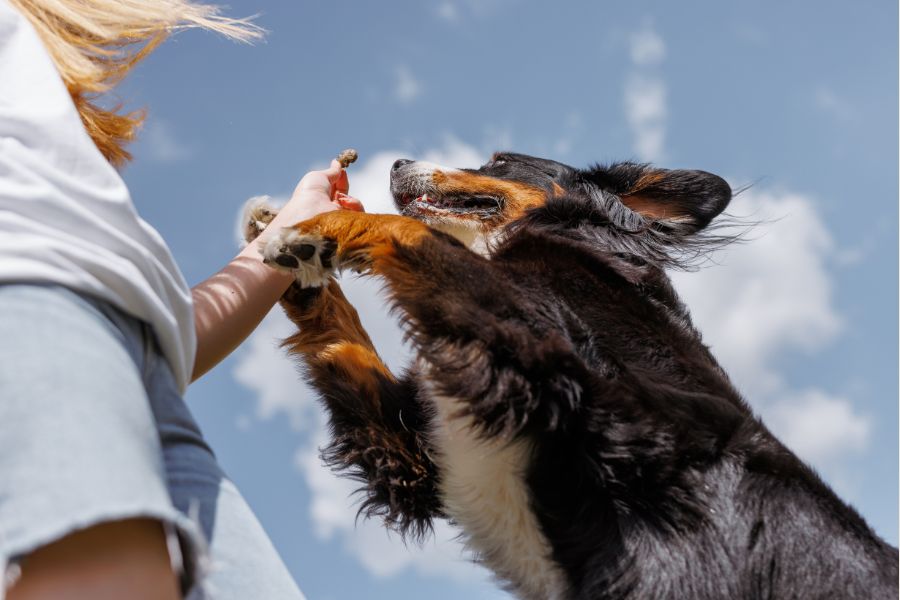
Recovery affects mood as well as movement. Some dogs feel frustrated by activity limits or changes in routine. Gentle praise, calm touch, sessions provide comfort. Food puzzles, scent games, and quiet training keep minds busy. Keep schedules predictable and offer rest breaks. Your presence matters, and small moments of connection build trust, reduce stress, and encourage steady participation in daily care.
Nutrition and Weight Management
Extra pounds stress healing joints. Feed measured portions and choose foods with quality protein. Omega oils support skin and coat. Avoid high-calorie treats. Use carrots or green beans for rewards. A lean body supports faster progress and protects the other knee.
Pain Control and Comfort
Pain relief keeps your dog engaged in recovery. Follow dosing directions closely. Watch for tummy upset or low energy. Warm packs relax tight muscles once swelling fades. A raised bowl, supportive bed, and easy access to favorite spots improve daily comfort.
Preventing Future Injury
Strong muscles stabilize joints. Keep walks regular once recovery allows. Build activity slowly. Maintain a healthy weight. Trim nails for traction. Use ramps for cars and couches. Schedule checkups to track progress. These habits reduce the chance of another setback.
Realistic Timelines
Most dogs bear weight within days after pet surgery, though full strength takes months. By eight weeks, many enjoy longer walks. By four months, many return to play with limits. Every dog differs, so celebrate small wins and follow your plan.
Conclusion
Recovery asks for patience, planning, and partnership. Clear guidance, daily routines, and gentle progress help dogs regain comfort and confidence following a Cruciate Ligament Rupture. Whether you choose conservative care or pet surgery, your steady support shapes outcomes. Stay observant, celebrate milestones, and reach out with questions.
We are conveniently serving in Blue Springs, MO, and welcome you to our location: 1715 MO-7, Blue Springs, MO 64014 — where compassionate care and community come together for your pet’s well-being. Schedule an appointment with AniMed Animal Hospital.
Frequently Asked Questions(FAQs):
1. How do I know if my dog tore a ligament?
A: Common signs include limping, reluctance to jump, stiffness following naps, or holding a leg up. Some dogs sit with one leg extended. A proper exam confirms the cause, rules out hip or spine issues, and guides the next steps.
2. Will my dog need surgery?
A: Not every dog requires an operation. Size, activity level, body condition, and joint stability guide the decision. Your provider reviews imaging, explains care choices, and outlines recovery expectations so you can select the path that fits your dog and family.
3. How long is the recovery
A: Early rest lasts about two weeks, with gradual activity added later. Rehab continues for several months. Many dogs feel brighter quickly, yet muscle rebuilding takes time. Follow the schedule closely to avoid reinjury and to protect the opposite knee.
4. What can I do at home?
A: Create a calm space, prevent slipping, give medicines as directed, and keep walks short. Track appetite, bathroom habits, and mood. Use approved exercises only. Ask before adding supplements. Consistency with daily routines matters more than intensity.
5. Can my dog climb stairs
A: Stairs add stress during early healing. Block access at first and carry small dogs when possible. When approved, use a leash or sling for support. Increase steps gradually and pause if you notice fatigue, soreness, or uneven movement.
6. How can I prevent this from happening again?
A: Keep your dog lean, build strength with steady walks, warm up before play, and avoid sudden bursts following rest. Regular checkups catch small problems early. These habits support long-term mobility and help protect both knees.