

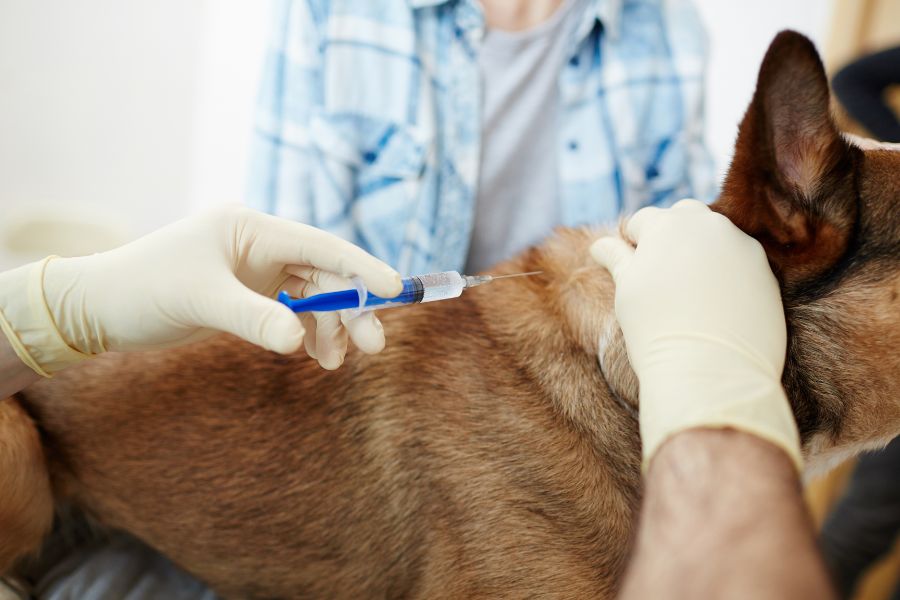
Vaccines protect more than just your dog. They protect your family, your community, and other pets your dog may meet at the park, groomer, or boarding facility. If you’ve ever wondered which shots are required by law and which ones are considered essential for health, this guide will give you clear answers.
Understanding core vaccines for dogs helps you make informed decisions. Some vaccines are required by state law. Others are recommended because they guard against serious and highly contagious diseases. When you know the difference, you can plan your dog’s care with confidence.
Let’s break it down in simple terms.
What Are Core Vaccines for Dogs?
Core vaccines are the shots that veterinarians recommend for all dogs, regardless of breed, lifestyle, or size. These vaccines protect against diseases that:
- Spread easily
- Can cause severe illness or death
- May affect humans
- Are widely present in the United States
The standard core vaccines for dogs include:
- Rabies
- Distemper
- Parvovirus
- Adenovirus (Hepatitis)
These diseases are not rare. They still circulate in wildlife and communities across the country. Vaccination remains the safest and most reliable way to prevent them.
Why Rabies Vaccination Is a Legal Requirement
What Is Rabies?
Rabies is a viral disease that attacks the nervous system. It spreads through the saliva of infected animals, usually by a bite. Wildlife such as raccoons, bats, skunks, and foxes often carry it.
Once symptoms appear, rabies is almost always fatal in animals and humans.
Why Is It Required by Law?
In every U.S. state, rabies vaccination for dogs is legally required. The exact timing and frequency may vary slightly by state or county, but the rule is clear: dogs must be vaccinated against rabies.
This law exists because rabies can spread to people. Vaccinating dogs creates a protective barrier between wildlife and human communities. Without strong vaccination programs, rabies cases would rise quickly.
Failure to vaccinate can lead to:
- Fines
- Quarantine requirements
- Legal liability if a bite occurs
- Mandatory euthanasia in some severe cases
The rabies vaccine is not just one of the core vaccines for dogs—it is a public health responsibility.
The Other Core Vaccines for Dogs Explained
While rabies is legally required, the remaining core vaccines protect your dog from life-threatening illnesses.
Distemper
Canine distemper affects the respiratory, digestive, and nervous systems. It spreads through coughing, sneezing, and shared spaces.
Symptoms may include:
- Fever
- Nasal discharge
- Coughing
- Vomiting
- Seizures
Distemper can cause permanent nerve damage or death. There is no cure, only supportive care. Vaccination is the best protection.
Parvovirus
Parvo is one of the most serious diseases in puppies. It spreads through contaminated surfaces, soil, and feces. The virus can survive in the environment for months.
Symptoms include:
- Severe vomiting
- Bloody diarrhea
- Dehydration
- Extreme weakness
Parvo can become fatal within days without treatment. Vaccination dramatically reduces the risk.
Adenovirus (Canine Hepatitis)
This virus affects the liver, kidneys, and eyes. It spreads through contact with infected bodily fluids.
Dogs may show:
- Fever
- Abdominal pain
- Vomiting
- Cloudy eyes
Vaccination protects against severe organ damage and long-term health issues.
When Should Puppies Receive Core Vaccines?
Puppies need a series of vaccinations to build strong immunity.
A typical schedule looks like this:
- 6–8 weeks: First round of distemper, parvo, adenovirus
- 10–12 weeks: Booster
- 14–16 weeks: Final booster
- 12–16 weeks: First rabies vaccine (based on local law)
Booster shots continue into adulthood. Your veterinarian will recommend timing based on your dog’s age and local regulations.
Sticking to the schedule is essential. Missing boosters can leave gaps in protection.
Adult Dogs and Booster Requirements
Core vaccines for dogs are not a one-time event. Adult dogs need booster shots to maintain immunity.
- Rabies boosters are usually given every one or three years, depending on the vaccine used and state law.
- Distemper, parvo, and adenovirus boosters are commonly given every three years after the initial series.
Some clinics may offer titer testing, which measures immunity levels in the blood. This can help determine if a booster is necessary, though rabies laws still apply regardless of titer results.
What Happens If You Skip Required Vaccines?
Skipping core vaccines for dogs carries both health and legal risks.
Health risks include:
- Increased chance of severe illness
- Expensive emergency treatment
- Risk of spreading disease to other pets
Legal risks for rabies include:
- Mandatory quarantine after a bite
- Court involvement
- Higher penalties in some counties
Even indoor dogs are not fully protected from exposure. Wildlife can enter yards, garages, or even homes.
Vaccination reduces these risks significantly.
Are Core Vaccines Safe?
Pet owners often ask about vaccine safety. It is a fair question.
Most dogs tolerate vaccines very well. Mild side effects may include:
- Temporary soreness
- Mild fatigue
- Slight fever
Serious reactions are rare. Veterinarians review your dog’s medical history before giving vaccines. If your dog has had a reaction before, your care team can adjust the plan.
The risk of disease is far greater than the risk of side effects. That’s why core vaccines for dogs remain a standard part of responsible care.
How Core Vaccines Fit into Pet Wellness Care
Vaccines are not given in isolation. They are part of a broader preventive plan that includes exams, parasite control, dental checks, and nutrition guidance.
Routine visits allow your veterinarian to:
- Monitor growth and weight
- Detect early signs of illness
- Update vaccines safely
- Answer behavior or diet questions
Preventive planning is the foundation of strong pet wellness care, helping dogs live longer and healthier lives.
Do All Dogs Need the Same Vaccines?
Core vaccines for dogs are recommended for every dog, but non-core vaccines depend on lifestyle.
For example:
- Dogs that visit boarding facilities may need Bordetella.
- Dogs exposed to standing water may need Leptospirosis protection.
- Hunting dogs may need additional protection.
Your veterinarian evaluates:
- Travel habits
- Outdoor exposure
- Contact with other animals
- Local disease trends
This keeps the approach practical and personalized.
Understanding State and Local Rabies Laws
Rabies laws vary slightly across states and counties. Requirements often include:
- Minimum vaccination age
- Proof of vaccination certificate
- Official rabies tag
- Booster timelines
Local animal control agencies enforce these rules. Keeping documentation updated protects you if questions arise.
If you move to a new state, confirm the local rabies requirements right away. Laws may differ from your previous location.
Protecting the Community Through Vaccination
Vaccination protects more than one household. When most dogs in a community are vaccinated, disease spread drops sharply. This is called herd immunity.
Herd immunity helps protect:
- Puppies too young for full vaccination
- Dogs with medical conditions
- People who may be exposed to bites
Core vaccines for dogs strengthen the health of entire neighborhoods.
Making an Informed Decision
Vaccines are one of the most studied and monitored tools in animal health. Decades of research show they reduce disease rates and save lives.
If you are unsure about timing, risks, or legal rules, ask direct questions during your dog’s exam. Clear communication builds trust and ensures your dog receives appropriate care.
Avoid relying on online myths or outdated information. Laws and medical guidance evolve based on current science.
Conclusion: Take the Next Step for Your Dog’s Protection
Rabies vaccination is required by law across the United States, and the remaining core vaccines for dogs protect against severe and contagious diseases. These vaccines reduce suffering, prevent costly treatment, and safeguard public health.
Staying current with vaccination schedules keeps your dog protected at every life stage. It also protects your family and community.
If you have questions about your dog’s vaccine history or upcoming boosters, schedule a consultation with AniMed Animal Hospital. A clear plan today prevents problems tomorrow. Your dog depends on you to make informed, responsible choices. Vaccination is one of the most important things you can do.
Frequently Asked Questions(FAQs):
1. What are the core vaccines for dogs?
Core vaccines for dogs include rabies, distemper, parvovirus, and adenovirus. These protect against serious and widespread diseases.
2. Is rabies vaccination required in every state?
Yes. Rabies vaccination for dogs is legally required in all U.S. states, though timing rules may vary.
3. How often do dogs need booster shots?
Rabies boosters are given every one to three years, depending on the vaccine. Other core vaccines are usually boosted every three years after the initial puppy series.
4. Can indoor dogs skip vaccinations?
No. Indoor dogs can still be exposed to viruses carried on shoes, clothing, or wildlife entering the yard.
5. Are vaccine side effects common?
Most dogs experience only mild effects like slight soreness or tiredness. Serious reactions are rare.
6. What happens if my dog bites someone and is not vaccinated?
Unvaccinated dogs may face strict quarantine or legal action. In some cases, more serious consequences apply depending on local law.