

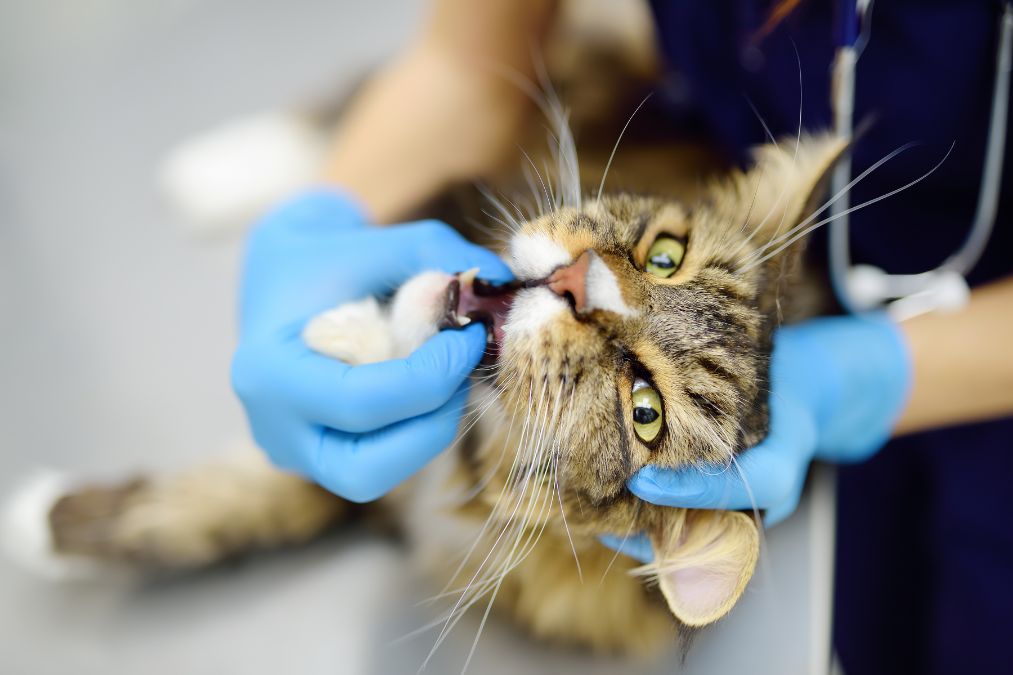
How many teeth cats have often surprises new pet parents, and the answer changes as your cat grows. This guide explains tooth counts by age, what normal development looks like, signs of dental trouble, and simple care habits that protect comfort and appetite.
You will learn when baby teeth appear, when adult teeth replace them, and why routine checks matter. Clear timelines and practical tips help you spot changes early and support lifelong oral health, whether your companion is a tiny kitten or a seasoned adult. If you live in Blue Springs, MO, this overview also points you toward local care.
Why Tooth Count Matters at Every Stage
Teeth play a role in eating, grooming, and play. Changes in the number or alignment affect chewing and mood. Age-based expectations give a quick reference for what feels normal. Missing teeth, stubborn baby teeth, or heavy buildup signal the need for attention. A simple look inside the mouth during calm moments creates a useful baseline you can track over time.
Kitten Teeth: Birth to Six Months
Newborn to Three Weeks
Kittens arrive without visible teeth. Gums stay smooth while they nurse. Around two to three weeks, the first incisors peek through. Small, needle-like tips appear, followed by canines. These early teeth look delicate because they are.
Three Weeks to Eight Weeks
By eight weeks, most kittens carry a full set of baby teeth. The count reaches 26, made up of incisors, canines, and premolars. Molars do not exist in the baby set. Teething brings drooling, pawing at the mouth, and a desire to chew. Soft toys and gentle play protect furniture and tiny gums.
Three to Six Months
Adult teeth begin to replace baby teeth at around three to four months. Incisors switch first, then premolars, canines, and molars. You may find small teeth on bedding. Mild gum redness fits this phase. Strong odor or bleeding does not. A quick check twice a week keeps surprises small.
Adult Teeth: Six Months and Beyond
By six months, most cats finish the swap and settle with 30 adult teeth: 12 incisors, 4 canines, 10 premolars, and 4 molars. Each shape serves a purpose. Incisors nibble, canines grasp, premolars shear, molars crush. Once the adult set arrives, the number stays steady for life unless disease or injury causes loss.
Midlife brings plaque risk, especially on back teeth where food lingers. At this point, many owners revisit how many teeth cats have while counting during home checks. A calm routine, paired with periodic professional exams, preserves bite strength and keeps breath fresh.
Senior Cats: Seven Years and Beyond
Older cats face gradual wear, thinner enamel, and slower healing. Some develop sensitive spots that change food preferences. Others keep strong bites with steady care. Watch for quieter chewing, dropped kibble, or longer mealtimes.
Keep water close, choose textures your cat accepts, and maintain gentle brushing. Monthly photos of the mouth help spot shifts in color or spacing. Comfort-focused routines protect quality of life across the senior years.
What Is Normal, What Needs a Closer Look
Normal signs include pink gums, white tooth surfaces, and easy chewing. Red flags include yellow-brown buildup, swollen gum edges, pawing at the face, dropping food, or sudden preference for soft meals. Weight change and quiet behavior can follow mouth pain. Early care limits discomfort and protects organs that feel the effects of chronic infection.
Everyday Care That Makes a Difference
- Brushing: Start with finger brushes and pet-safe paste. Aim for three short sessions each week.
- Diet choices: Crunchy kibble and approved dental treats scrape surfaces. Wet food still fits balanced plans.
- Water habits: Fresh bowls encourage sipping, which rinses debris.
- Toys: Chew-friendly textures massage gums.
- Home checks: Lift lips, count teeth, note color.
Consistency beats perfection. across years.
Conclusion
Knowing how many teeth cats have at each life stage builds confidence and sharpens your eye for change. Baby teeth rise and fall fast, adult teeth settle for decades, and daily care keeps them strong. Short checks, smart feeding, and gentle brushing protect comfort and appetite. Your cat benefits from calm routines and timely advice. Small steps today shape tomorrow. If you are in Blue Springs, MO, and looking for veterinary dental care, book an appointment with AniMed Animal Hospital.
FAQs About Cat Teeth by Age
1. How many baby teeth do kittens have?
A: Kittens develop 26 baby teeth by eight weeks. The set includes incisors, canines, and premolars. Molars arrive later than adult teeth. These baby teeth fall out between three and six months as the permanent set grows in.
2. When do adult teeth fully appear?
A: Most cats complete adult eruption by six months. Incisors change first, followed by premolars, canines, and molars. Some cats finish closer to seven months. If baby teeth linger beside adult teeth, schedule a check to avoid crowding.
3. Is it normal for kittens to swallow baby teeth?
A: Yes. Many kittens swallow loose teeth during meals or play. It causes no harm. Owners often never find them. Watch for heavy bleeding or refusal to eat, which suggests soreness beyond normal teething.
4. What causes bad breath in young cats?
A: Mild odor during teething can happen. Strong or persistent smell points to buildup, trapped food, or gum irritation. Regular brushing and a gentle exam usually solve early issues. Seek care if swelling or pain shows.
5. Can cats live well with missing teeth?
A: Many cats adapt well, especially if the loss happened slowly. Soft foods help, and chewing shifts to remaining teeth. Sudden loss or pain still needs attention. Comfort, appetite, and weight guide next steps.
6. How often should I check my cat’s mouth?
A: Aim for a quick look once a week. Lift the lips, scan gums, and count visible teeth. Monthly photos help track color changes. Pair home checks with yearly professional exams to catch problems before they escalate.