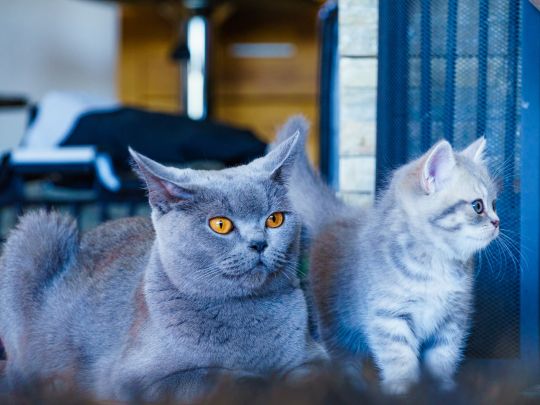

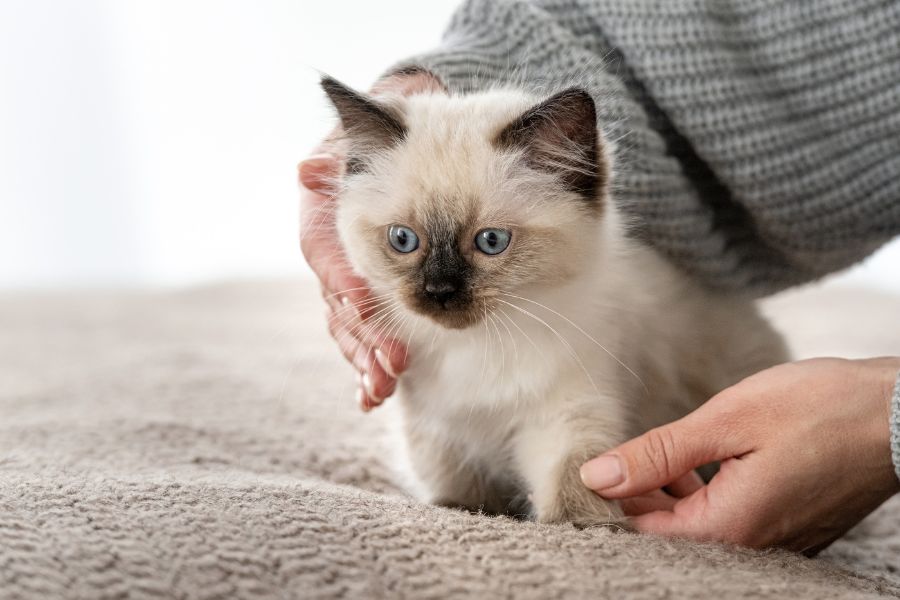
Cats grow quickly during their first year, yet their exact growth timeline can vary based on breed, nutrition, health, and lifestyle. Many pet owners often wonder ‘when do cats stop growing’, especially as their kitten begins to transition into adulthood.
Although kittens appear full-sized around 12 months, their growth may continue for several months beyond that. In this detailed guide, a complete overview of feline development will be provided so you can better understand your cat’s size, weight, and growth milestones.
Understanding the Feline Growth Stages
Cat growth does not occur all at once. Instead, it is divided into stages that each play a role in your pet’s overall development.
1. Newborn to 8 Weeks: Rapid Early Growth
During the first two months of life, the fastest physical changes are observed. Bones strengthen, muscles develop, and key senses improve. Even though this period passes quickly, it forms the foundation for long-term health.
2. 2 to 6 Months: The Kitten Growth Surge
Between two and six months, kittens experience a major growth spurt. Their appetite increases, their weight rises steadily, and their coordination improves. At this stage, a significant portion of their adult size is reached. As a result, many owners begin asking ‘When do cats stop growing’ long before growth truly slows down.
3. 6 to 12 Months: Slowing but Steady Development
Growth begins to level out as kittens approach their first birthday. Although the rate decreases rapidly, steady development continues. Most cats reach close to their adult height and length by 12 months, but their bodies may still be filling out.
4. 12 to 24 Months: Final Physical Maturity
Although many assume growth ends at one year, full maturity often requires up to two years. Some breeds—especially larger ones—need even longer. This final stage is when bone density strengthens, muscle mass increases, and weight stabilizes.
So, When Do Cats Stop Growing?
The question ‘when do cats stop growing’ does not have a single answer. However, an approximate timeline can be followed:
- Most cats stop growing between 12–18 months.
- Large or long-haired breeds may take 2–4 years to fully mature.
- Male cats often grow for a slightly longer period than females.
Although the growth may not be visually dramatic after 12 months, internal and structural development continue quietly. Therefore, patience is important, as your cat may still be transitioning into its full adult form.
Breed Differences in Cat Growth
Not every breed grows at the same pace. Breed size and genetics play a noticeable role in determining when cats stop growing.
- Maine Coon: Known for taking 3–5 years to reach full size.
- Ragdoll: Usually matures by 2–4 years, with slow but steady development.
- Siamese: Reaches adult size more quickly, often by 12–15 months.
- Domestic Shorthair: Typically stops growing between 12–18 months.
Because these timelines vary, comparing your cat’s size to another breed may not be accurate. Instead, growth should be monitored individually.
Factors That Influence Growth in Cats
Although genetics determines much of a cat’s size, other factors influence when cats stop growing and how your kitten develops.
1. Nutrition
Balanced nutrition is essential. A proper kitten diet ensures steady growth, strong bones, and healthy muscle development. Inadequate nutrition, however, may cause slow growth or lifelong size limitations.
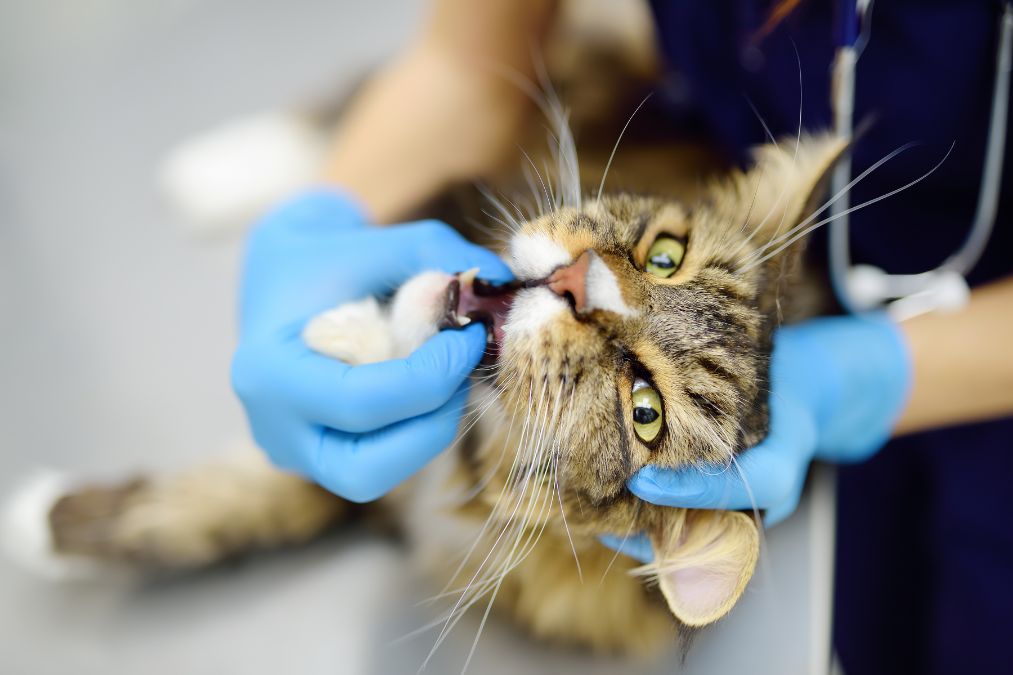
2. Health & Veterinary Care
Regular checkups allow growth patterns to be monitored and underlying conditions to be identified early. A single mention of Blue Springs veterinarian can be included here for internal linking purposes.
3. Activity Level
Active kittens develop more muscle mass and coordination. A sedentary lifestyle may limit physical development or cause unhealthy weight fluctuations.
4. Spaying & Neutering
While altering your pet does not drastically affect overall size, the timing may influence growth plates. Growth can be prolonged slightly because the closure of growth plates may be delayed.
Visual Signs That a Cat Has Reached Full Size
Although no exact formula exists, several indicators suggest that growth has completed:
- Weight remains stable for several months
- Height and length show no new changes
- Appetite shifts from “kitten-level hunger” to moderate adult feeding
- Coat texture becomes thicker and more mature
- Muscles appear more defined and filled out
When these signs appear, your pet has likely reached its full adult size.
How to Support Healthy Feline Growth
Even though you might wonder when cats stop growing, supporting the process is equally important.
Provide the Right Diet
A kitten-specific diet should be offered until your veterinarian confirms that your cat is ready for adult food.
Encourage Safe Play & Exercise
Play boosts bone strength, balance, and lean muscle development.
Monitor Growth at Home
Monthly weight checks can help you detect gradual changes and identify any concerns.
Maintain Routine Veterinary Visits
Growth-related issues can be prevented or treated early when regular care is provided.
When to Be Concerned About Growth
If your cat appears too small, too large, or is growing irregularly, professional guidance may be needed. Warning signs include:
- Stunted growth or weight plateauing too early
- Excessive weight gain without proportional height or length increases
- Persistent digestive issues or low appetite
- Noticeably slow development compared to standard patterns
In such situations, growth assessments and nutritional evaluations can be helpful.
Understanding when do cats stop growing allows owners to support their cat’s development during every life stage. Although many cats reach close to adult size within a year, full physical and internal maturity may continue for much longer. By monitoring nutrition, health, and activity, you can ensure your feline companion grows into a healthy and confident adult.
Frequently Asked Questions(FAQs):
1. At what age is a cat fully grown?
A: Most cats are considered physically mature between 12–18 months, though some breeds take longer.
2. Does spaying or neutering affect my cat’s size?
A: Growth plates may close slightly later, but overall size is not significantly altered.
3. Why does my cat still look lanky at one year old?
A: Many cats continue filling out until they reach 18–24 months. Muscle development takes time.
4. Do male cats grow bigger than females?
A: Often, yes. Males typically have larger frames and may grow slightly longer.
5. When should I switch from kitten food to adult food?
A: Your veterinarian can advise, but most cats transition between 12–15 months.
6. Is it normal for large breeds to grow slowly?
A: Absolutely. Breeds like Maine Coons and Ragdolls are slow-maturing and may grow for several years.