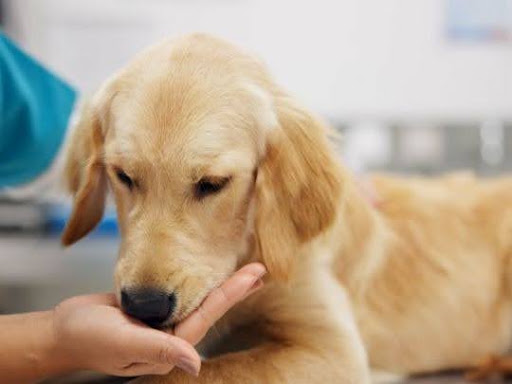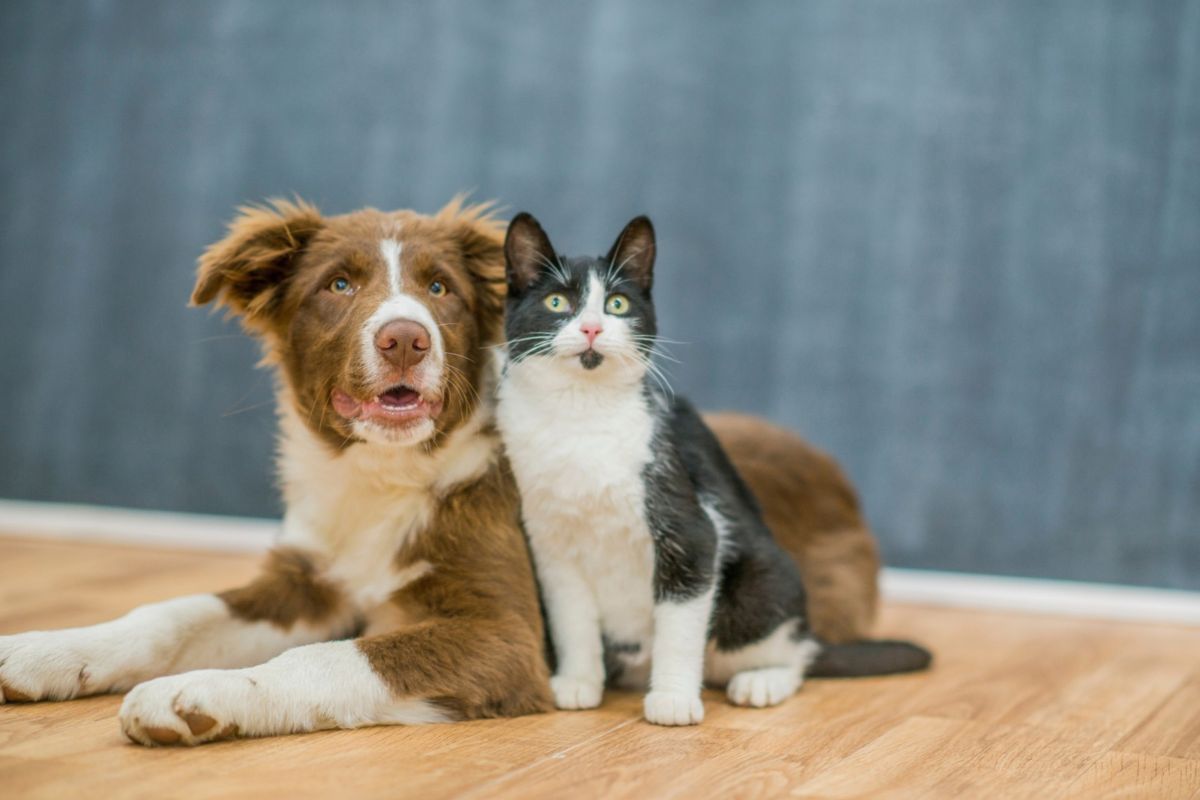
Pets cannot explain when something hurts or when they are feeling unwell. As a pet owner, you may notice changes in your dog’s behavior, appetite, energy level, or bathroom habits before realizing that something is wrong. While some minor health concerns can be monitored at home, others require prompt veterinary attention to prevent discomfort and further complications.
Knowing when to seek urgent pet care can help you make informed decisions about your companion’s health. Sudden injuries, unusual physical symptoms, and significant behavioral changes should never be ignored. Understanding these warning signs also helps you recognize when it is time to contact an animal hospital for professional guidance.
What Are the Common Signs That Your Pet Needs Urgent Pet Care?
Dogs and cats may show different symptoms when experiencing pain or illness. Some signs develop suddenly, while others become noticeable as a condition progresses. Paying attention to unusual changes can help you determine when your pet needs veterinary evaluation.
Common warning signs include:
- Persistent vomiting or diarrhea: Repeated digestive problems can lead to dehydration and may indicate an underlying illness.
- Difficulty breathing: Rapid, noisy, or labored breathing requires immediate veterinary attention.
- Sudden weakness or collapse: Difficulty standing, walking, or maintaining balance may indicate a serious health concern.
- Unusual bleeding: Persistent bleeding from the nose, mouth, paws, or other areas should be evaluated promptly.
- Severe discomfort: Whining, shaking, hiding, restlessness, or reluctance to move can indicate pain.
- Changes in urination: Straining to urinate, frequent attempts without producing urine, or blood in the urine requires prompt evaluation.
- Sudden behavioral changes: Unusual aggression, confusion, extreme tiredness, or withdrawal may signal an underlying medical problem.
If your pet displays any of these symptoms, contact a veterinarian to determine the appropriate next steps.
When Does Your Dog Need Urgent Veterinary Care?
Dogs are naturally active and curious, which can sometimes expose them to injuries, digestive problems, and other unexpected health concerns. Although occasional changes in behavior may not always indicate illness, certain symptoms deserve immediate attention.
Consider seeking veterinary care if your dog experiences:
1. Sudden Injuries or Persistent Limping
Falls, rough play, and accidental injuries can cause sprains, fractures, or soft tissue damage. If your dog suddenly refuses to put weight on a leg, develops swelling, or shows signs of significant pain, arrange a veterinary examination.
2. Repeated Vomiting or Diarrhea
Occasional digestive upset may resolve without complications, but repeated vomiting or diarrhea can cause dehydration. Blood in the stool, abdominal discomfort, weakness, or an inability to keep water down makes prompt evaluation especially important.
3. Difficulty Breathing or Excessive Panting
Heavy panting without physical activity, noisy breathing, or visible difficulty taking a breath should never be overlooked. These symptoms may be associated with respiratory or cardiovascular problems.
4. Possible Poisonous Substance Exposure
Dogs may accidentally consume medications, household cleaning products, certain plants, or foods that are unsafe for them. If you suspect your dog has swallowed something harmful, contact a veterinarian immediately. Do not attempt to induce vomiting unless instructed by a veterinary professional.
When Should You Seek Urgent Pet Care for Your Cat?
Cats are often skilled at hiding discomfort. They may continue their daily routines even when experiencing an underlying health problem. Therefore, subtle changes in eating habits, grooming, movement, and litter box behavior deserve attention.
Watch for these signs:
1. Difficulty Urinating
Frequent trips to the litter box, straining, crying while attempting to urinate, or producing little to no urine may indicate a urinary problem. A urinary blockage, particularly in male cats, requires immediate veterinary attention.
2. Refusing Food or Water
A sudden loss of appetite may be associated with dental discomfort, digestive issues, infection, or other medical conditions. Cats that stop eating for approximately 24 hours should be evaluated promptly. Kittens, senior cats, and cats with existing health conditions may need attention sooner.
3. Hiding or Unusual Withdrawal
If your normally social cat suddenly starts hiding, avoids interaction, or becomes unusually inactive, it may be experiencing pain or illness. Changes in behavior should be considered alongside other symptoms.
4. Eye Injuries or Visible Discomfort
Squinting, excessive tearing, redness, swelling, or cloudy eyes may indicate an injury or infection. Eye problems can worsen quickly, so prompt veterinary assessment is important.
How to Decide When Your Pet Needs an Animal Hospital Near You
Not every change in your pet’s health requires the same level of attention. However, determining whether a symptom can wait is not always easy.
A veterinary professional can help you understand the seriousness of your pet’s condition and recommend the appropriate care.
Consider contacting an animal hospital near you when your pet experiences:
- Sudden changes in appetite or drinking habits.
- Persistent coughing or sneezing.
- Repeated digestive discomfort.
- Unexplained swelling or lumps.
- Ear scratching, head shaking, or signs of infection.
- Difficulty walking or moving comfortably.
- Changes in bathroom habits.
Some symptoms may require same-day evaluation, while others need immediate attention. If your pet has difficulty breathing, collapses, experiences seizures, has uncontrolled bleeding, or cannot urinate, seek immediate veterinary attention rather than waiting for a routine appointment.
What Should You Do Before Taking Your Pet to a Veterinarian?
Taking the right steps before arriving at a veterinary clinic can help make the examination more efficient and comfortable for your pet.
Here are a few helpful precautions:
- Observe the symptoms: Note when the problem started, how frequently it occurs, and whether it is getting worse.
- Keep your pet comfortable: Limit unnecessary movement and provide a quiet environment.
- Avoid human medications: Never give your pet over-the-counter or prescription medication intended for people without veterinary guidance.
- Gather relevant information: Bring details about your pet’s medical history, current medications, and any possible exposure to harmful substances.
- Call ahead: Explain your pet’s symptoms so the veterinary team can advise you about the next steps and prepare for the visit.
If you are unsure where to turn, searching for a veterinarian near you can help you find professional assistance when your pet needs prompt attention.
When to Contact Our Animal Hospital for Urgent Pet Care in Blue Springs
Recognizing changes in your pet’s health and responding promptly can make an important difference in their comfort and recovery. Whether your dog develops sudden digestive problems or your cat begins showing unusual urinary symptoms, professional veterinary evaluation can help identify the cause and determine the appropriate treatment.
If your pet is experiencing concerning symptoms, contact our animal hospital to discuss their condition and arrange an evaluation. Call us at 816-220-0222 for guidance and appointment assistance.
At AniMed Animal Hospital, we are committed to providing compassionate veterinary care for dogs, cats, and small mammals in Blue Springs and surrounding communities. Our team understands how important your companion is to your family and works to support their health and well-being through attentive, professional care.
Frequently Asked Questions
1. How do I know if my dog needs urgent veterinary care?
Ans: Repeated vomiting, difficulty breathing, sudden weakness, persistent bleeding, severe pain, and unusual abdominal swelling are signs that your dog needs prompt veterinary attention. Contact a veterinarian to determine the appropriate level of care.
2. When should I take my cat to a veterinarian for sudden behavioral changes?
Ans: If your cat suddenly starts hiding, refuses food, becomes unusually aggressive, or shows changes in litter box habits, contact a veterinarian. These behaviors may indicate pain, illness, or another underlying health concern.
3. Can repeated vomiting or diarrhea in pets require urgent care?
Ans: Yes. Repeated vomiting or diarrhea can cause dehydration and may indicate digestive illness, infection, or toxin exposure. Blood, weakness, abdominal pain, or an inability to keep water down makes prompt veterinary evaluation particularly important.
4. Should I wait if my pet seems better after showing unusual symptoms?
Ans: Not necessarily. Some conditions may temporarily improve while the underlying problem remains. If your pet experiences concerning symptoms, contact a veterinarian even if their behavior appears to return to normal.
5. How can I find a veterinarian near you for urgent pet care?
Ans: Look for a veterinary clinic that offers prompt appointments and can evaluate sudden health concerns. Contact the clinic, describe your pet’s symptoms, and ask about the appropriate next steps. Having a trusted veterinary team available can help you respond confidently when your pet needs care.