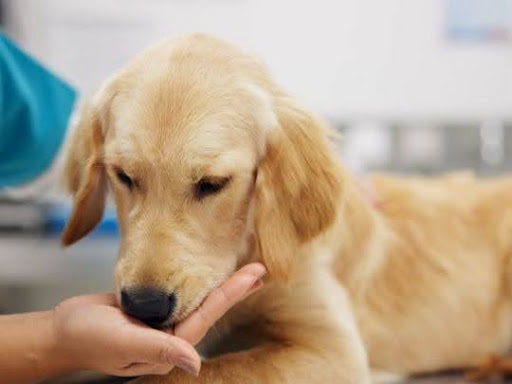


Every bee sting dog owners encounter looks a little different, but most cases turn out to be harmless. Cats get stung too, especially when they swat or pounce at a buzzing insect in the yard. Bees are drawn to flowering plants, clover patches, and open trash cans, which means curious noses and paws are prime targets all summer long. The tricky part for pet owners is knowing the difference between a sting that will fade on its own and one that signals a dangerous allergic reaction. Swelling around the face, trouble breathing, or repeated vomiting are signs that should never be ignored. This guide walks through what a normal reaction looks like, which symptoms mean it’s time to seek care, and what happens during a visit so you can respond quickly and with confidence.
What Really Happens When a Bee Stings a Pet?
A bee sting injects venom under the skin, causing a small area of redness, swelling, and pain at the site, usually on the face, lips, or paws. In our experience, most dogs and cats recover from a single sting within a few hours with only mild discomfort. A small percentage of pets have a much stronger immune response that needs prompt veterinary attention.
Veterinarians generally estimate that more than 90 percent of bee stings in pets cause nothing beyond a mild, local reaction. Dog bee sting swelling typically peaks within an hour and starts fading by the next day. The venom itself is not usually dangerous in small amounts, but repeated stings or stings inside the mouth can cause more swelling than a single sting elsewhere on the body.
Cats and dogs react a little differently. Dogs tend to get stung on the nose or paws while sniffing around flowers or grass. Cats are more likely to be stung on the paw or face after pouncing on a buzzing insect. Either way, watching for changes over the next hour or two after dog bee sting swelling appears is the best way to catch a serious reaction early.
Signs That Mean More Than a Little Home Care Is Needed
Most bee stings settle down on their own, but certain symptoms mean it’s time to call for guidance right away.
- Swelling that spreads past the sting site toward the eyes or throat
- Difficulty breathing, wheezing, or heavy panting
- Pale or white gums along with weakness or stumbling
- Vomiting, diarrhea, or drooling that starts soon after the sting
- Hives, widespread itching, or swelling across the whole face
In our experience, a cat stung by a bee on the paw will often lick and shake the affected foot for several minutes, which is a normal response to pain rather than a sign of a severe reaction. A cat stung by a bee on the face or inside the mouth, however, deserves closer attention because swelling there can affect breathing faster than swelling on a paw.
Many dogs we see get stung on the nose or lip after sniffing through flower beds, and swelling in these areas can climb toward the eyes within thirty minutes. If your pet shows any of the signs above, do not wait to see if things improve. Pet owners often tell us they worried they were overreacting, but a same-day check is always worth the peace of mind.
How a Bee Sting Dog or Cat Visit Unfolds
Knowing what happens during a visit can ease a lot of worry before you even walk through the door.
- Check in and describe what you saw, including when the sting happened and which symptoms appeared first.
- A technician checks your pet’s breathing, gum color, and heart rate right away.
- The vet examines the sting site and looks for spreading swelling or hives elsewhere on the body.
- If needed, your pet receives medication to calm the reaction and ease discomfort.
- You get clear instructions for at-home monitoring and when to follow up.
Pet owners often tell us they feel silly bringing in a pet for something that looks minor, but an urgent vet visit pet owners request can often rule out a dangerous reaction within minutes. In our experience, the fastest urgent vet visit pet owners request happens when they describe symptoms clearly and mention exactly where the sting occurred. For added peace of mind, vet urgent care in Blue Springs, MO is available for same day sting evaluations.
Why Warm Weather Months Bring More Bee Stings
Bee activity increases every year once temperatures climb and clover, wildflowers, and blooming trees take over yards across the region. Bees are simply looking for food sources, and pets who spend time outdoors are bound to cross paths with them sooner or later.
A common misconception is that every bee sting requires an urgent care visit right away. That is not accurate. Most stings cause only brief swelling and discomfort that fades within a day, similar to what a person feels after a sting. The real concern is the small chance of a pet allergic reaction bee venom can sometimes trigger, especially in pets who have been stung before.
In Missouri, we see this more often during the peak of summer when clover lawns and garden beds are full of blooming plants that attract bees. Around Blue Springs, backyards bordering wooded areas or open fields tend to have more bee traffic than fully paved yards. Families who bring their pets to AniMed Animal Hospital after a sting often ask whether future stings will be worse. A pet allergic reaction bee sting triggers once does not mean every future sting will look the same, but pets with a known history of reactions should always be monitored closely afterward.
When to Bring Your Pet In for Prompt Care
If your pet shows swelling that spreads, has trouble breathing, or seems weak after a bee sting, do not wait for symptoms to pass on their own. Same-day pet urgent care can make the difference between a quick, manageable visit and a much longer recovery.
AniMed Animal Hospital provides vet urgent care in Blue Springs, MO for sting reactions, insect bites, and other sudden health concerns that cannot wait for a scheduled appointment. Our team is used to seeing pets who are uncomfortable and understandably worried owners, and we move quickly to get answers and start treatment.
Call us at 816-220-0222 when your pet needs urgent care after a bee sting, and our staff will help you decide whether to come in right away or monitor at home a little longer.
A bee sting rarely turns into a serious problem, but knowing the warning signs helps you respond quickly if your pet needs more than home care. Watch for spreading swelling, breathing changes, weakness, or vomiting in the hours after any sting, and keep a close eye on pets who have reacted strongly before. In most cases, a bee sting dog reaction resolves with rest and a little patience, though some pets need medication to feel fully comfortable again. Trust your instincts, because if something feels off, a quick check from your vet is always worth it. Keeping an eye on your pet after any outdoor adventure this season can help you catch problems early and get back to normal fast. Book an appointment today.
Frequently Asked Questions
Q1: What should I do immediately after my pet is stung by a bee?
Ans: Remove the stinger if you can see it, then watch your pet closely for the next hour for swelling, trouble breathing, or vomiting. A cold compress on the sting site can ease discomfort while you monitor for bigger reactions.
Q2: How long does swelling from a bee sting usually last?
Ans: Mild swelling from a single sting typically peaks within an hour and fades within a day. Swelling that keeps spreading or lasts longer than 24 hours should be checked by a vet.
Q3: Can a pet be allergic to bee stings without any warning?
Ans: Yes, some pets show no reaction to their first sting but develop a stronger response to a later one. This is why it’s worth monitoring any pet closely after every sting, even if past stings were uneventful.
Q4: Are cats or dogs more likely to have a severe reaction?
Ans: Either species can have a severe reaction, though it depends more on individual sensitivity than on being a cat or dog. Pets with a history of reactions to insect bites or stings are generally at higher risk.
Q5: Is it safe to give my pet an antihistamine at home after a sting?
Ans: Never give your pet human medications without consulting your vet first, since dosing and safety vary by species and weight. Your vet can recommend a safe option and correct dosage if one is needed.