
Urinary tract infections (UTIs) are one of the more common health issues seen in dogs, and they can cause discomfort, pain, and serious complications if left untreated. While many pet owners recognize symptoms like frequent urination or accidents in the house, prevention often receives less attention. Understanding how to reduce your dog’s risk of developing a UTI can help support their long-term health and comfort.
Good hygiene, proper hydration, balanced nutrition, and routine veterinary care all play a role in keeping your dog’s urinary system healthy. Knowing what signs to watch for and when to seek professional help can make a significant difference in your pet’s overall well-being.
What Is a Dog UTI?
A urinary tract infection occurs when bacteria enter the urinary system and begin to multiply. UTIs can affect the bladder, urethra, or even the kidneys in more severe cases. Dogs of all ages and breeds can develop UTIs, although female dogs and senior pets may be at greater risk.
Some infections may develop suddenly, while others can become chronic if underlying conditions are not identified and treated. Early diagnosis and proper treatment are important to prevent discomfort and complications.
Common Signs of a UTI in Dogs
Recognizing symptoms early can help your dog receive prompt care before the infection worsens. Common signs of a urinary tract infection include:
- Frequent urination
- Straining or discomfort while urinating
- Blood in the urine
- Strong-smelling urine
- Accidents in the house
- Excessive licking around the urinary area
- Increased thirst
- Lethargy or reduced appetite
Some dogs may show only subtle changes in behavior, which is why regular observation and preventive veterinary visits are important.
Keep Your Dog Properly Hydrated
One of the simplest ways to help prevent UTIs is by ensuring your dog drinks enough water throughout the day. Hydration helps flush bacteria from the urinary tract and supports healthy kidney function.
To encourage water intake:
- Provide clean, fresh water daily
- Wash water bowls regularly
- Offer multiple water stations around your home
- Add moisture-rich foods if recommended by your veterinarian
- Bring water during walks and outdoor activities
Dogs that do not drink enough water may have more concentrated urine, which can increase irritation and bacterial growth.
Maintain Proper Bathroom Habits
Holding urine for long periods may increase the risk of bacterial buildup in the bladder. Dogs should have regular opportunities to go outside and relieve themselves.
Helpful habits include:
- Maintaining a consistent bathroom schedule
- Taking dogs out first thing in the morning and before bedtime
- Providing more frequent potty breaks for puppies and senior dogs
- Avoiding extended periods alone without bathroom access
Dogs with limited bathroom opportunities may be more prone to urinary issues over time.
Practice Good Hygiene
Keeping your dog clean can reduce bacteria around the urinary opening and lower infection risk. Hygiene is especially important for dogs with long fur or skin folds.
Preventive hygiene tips include:
- Grooming regularly
- Keeping the fur around the genital area trimmed and clean
- Cleaning bedding frequently
- Wiping your dog dry after swimming or baths
- Monitoring for skin irritation or discharge
Female dogs may benefit from extra attention to cleanliness because bacteria can more easily travel into the urinary tract.
Feed a Balanced, High-Quality Diet
Nutrition plays an important role in urinary health. A balanced diet helps support the immune system and proper body function, including the urinary tract.
Your veterinarian may recommend specific diets if your dog has a history of urinary issues or bladder stones. Some foods are formulated to help maintain healthy urine pH levels and reduce mineral buildup.
Avoid excessive treats, low-quality foods, or sudden diet changes without veterinary guidance.
Schedule Routine Veterinary Exams
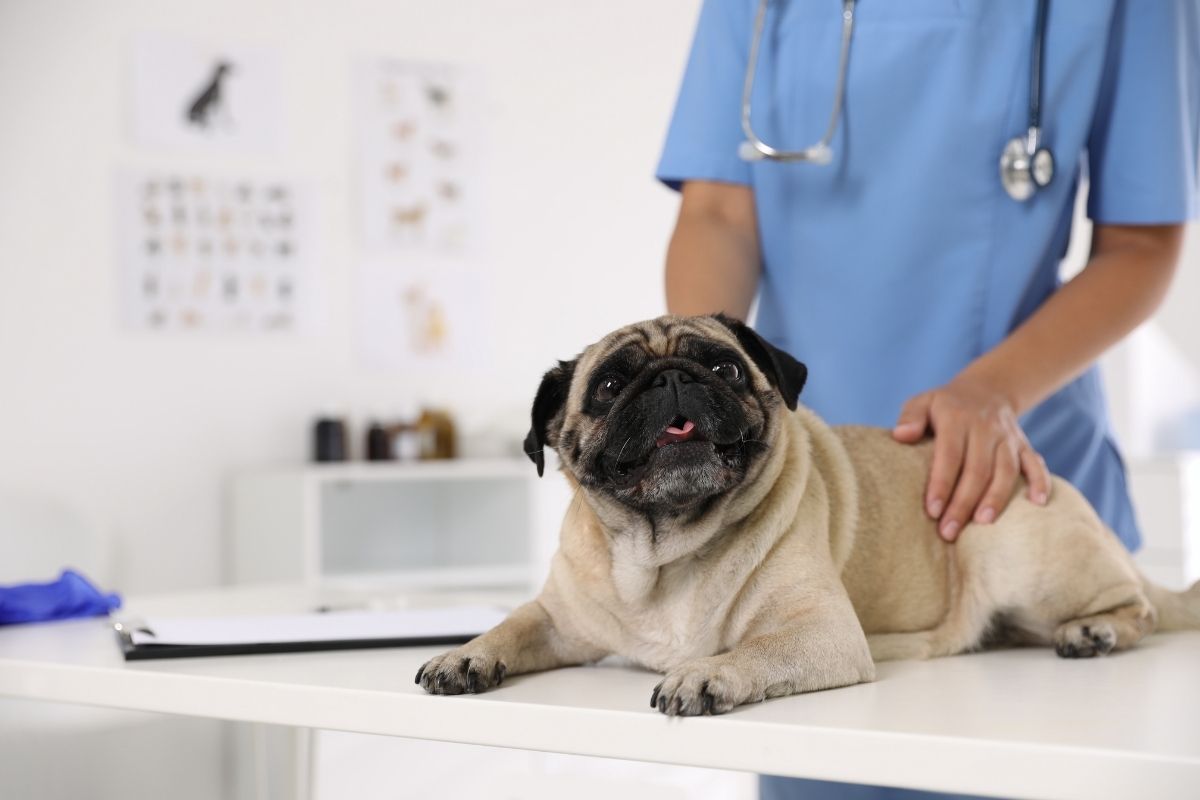
Routine wellness visits are essential for early detection and prevention of urinary tract problems. During regular checkups, veterinarians can identify subtle signs of infection, inflammation, or underlying medical conditions before symptoms become severe.
Diagnostic testing may include:
- Urinalysis
- Urine culture
- Blood testing
- Imaging such as X-rays or ultrasound
Preventive veterinary care in blue springs helps ensure your dog receives personalized recommendations based on age, breed, lifestyle, and medical history.
Address Underlying Health Conditions
Some dogs experience recurrent UTIs due to underlying health issues. Conditions that may contribute to urinary infections include:
- Diabetes
- Bladder stones
- Kidney disease
- Hormonal imbalances
- Weakened immune systems
- Obesity
If infections continue to return, your veterinarian may recommend additional testing to determine the root cause.
Treating underlying conditions can greatly reduce the likelihood of future urinary problems.
Prevent Stress and Support Overall Wellness
Stress can affect your dog’s immune system and overall health, potentially making them more vulnerable to infections. Maintaining a healthy routine and supportive environment may help strengthen their well-being.
Ways to support wellness include:
- Daily exercise
- Mental stimulation
- Consistent feeding schedules
- Comfortable sleeping areas
- Positive social interaction
- Weight management
Healthy dogs with strong immune systems are often better equipped to resist infections.
Why Early Treatment Matters
Ignoring urinary symptoms can allow infections to spread to the kidneys or become more severe. Prompt veterinary care can relieve discomfort quickly and help prevent complications.
Untreated UTIs may lead to:
- Chronic pain
- Kidney infections
- Bladder inflammation
- Urinary blockages
- Long-term urinary damage
If you notice changes in your dog’s bathroom habits or behavior, it is important to seek professional veterinary care as soon as possible.
Why Choose Our Animal Hospital
Choosing the right veterinary hospital is an important part of protecting your dog’s long-term health. A trusted veterinary team can provide preventive care, diagnostic testing, treatment, and ongoing guidance tailored to your pet’s needs.
At AniMed Animal Hospital, pets receive compassionate care in a supportive environment focused on wellness and early detection. From routine examinations to advanced diagnostics, the team is dedicated to helping dogs stay healthy and comfortable at every stage of life.
Whether your pet needs preventive screenings, treatment for urinary concerns, or ongoing wellness support, professional veterinary care can make a lasting difference in their quality of life.
Protect Your Dog’s Urinary Health With Preventive Care
Preventing UTIs starts with proactive habits and regular veterinary attention. Proper hydration, good hygiene, balanced nutrition, and timely medical care can all help reduce your dog’s risk of urinary infections and support lifelong wellness.
If your dog is showing signs of urinary discomfort or it has been a while since their last wellness visit, schedule an appointment with AniMed Animal Hospital today. Preventive care and early intervention can help your furry companion stay healthier, happier, and more comfortable for years to come.
Frequently Asked Questions
1. What causes UTIs in dogs?
Ans: Most UTIs in dogs are caused by bacteria entering the urinary tract. Underlying conditions such as bladder stones, diabetes, or weakened immune systems can also increase the risk.
2. How can I tell if my dog has a urinary tract infection?
Ans: Common signs include frequent urination, straining, blood in the urine, accidents in the house, strong-smelling urine, and excessive licking around the urinary area.
3. Can dog UTIs go away on their own?
Ans: Some mild symptoms may temporarily improve, but untreated UTIs can worsen and lead to more serious health complications. Veterinary evaluation is recommended.
4. How can I help prevent UTIs in my dog?
Ans: Provide fresh water daily, maintain regular bathroom breaks, practice good hygiene, feed a balanced diet, and schedule routine veterinary checkups.
5. Are certain dogs more likely to develop UTIs?
Ans: Female dogs, senior dogs, and pets with underlying medical conditions may have a higher risk of developing urinary tract infections.
6. When should I contact a veterinarian about urinary symptoms?
Ans: You should contact a veterinary hospital if your dog shows signs such as painful urination, blood in the urine, frequent accidents, or sudden changes in bathroom habits.
Related Articles