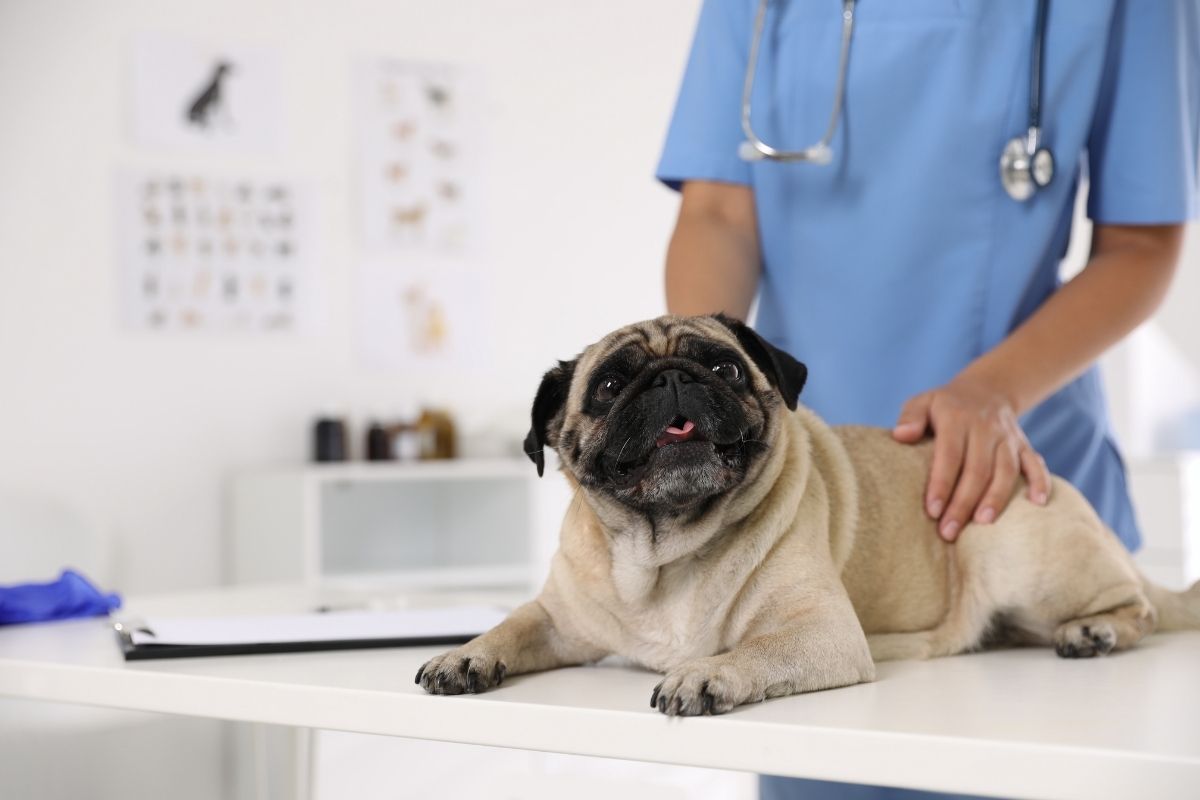


A healthy appetite is often one of the clearest signs that your pet is feeling well. Whether you have a playful puppy, a senior cat, or an energetic adult dog, eating habits can reveal a lot about overall health. While pets may occasionally skip a meal due to stress, changes in routine, or minor digestive upset, a prolonged loss of appetite should never be ignored.
When pets stop eating, it may indicate an underlying medical condition that requires professional attention. Early detection and timely veterinary care can help prevent more serious complications and support long-term wellness. Understanding the causes, warning signs, and treatment options can help pet owners make informed decisions about their furry companion’s health.
What Is Loss of Appetite in Pets?
Loss of appetite, also known as anorexia in veterinary medicine, refers to a reduced interest in food or a complete refusal to eat. Some pets may eat smaller portions than usual, while others may avoid food entirely.
A temporary decrease in appetite may not always be serious, especially if your pet is otherwise acting normally. However, if appetite loss lasts more than 24 hours in dogs or even less time in cats, it could signal an underlying problem that needs medical evaluation.
Pets rely on proper nutrition to maintain energy, support immune function, and promote healthy organ activity. Prolonged appetite loss can quickly lead to weakness, dehydration, and nutritional deficiencies.
Common Reasons Pets Lose Their Appetite
There are many reasons why a pet may stop eating, ranging from mild issues to more serious medical concerns.
Dental Disease and Oral Pain
Dental problems are among the most common causes of appetite loss in pets. Broken teeth, gum disease, oral infections, or painful inflammation can make chewing uncomfortable.
Signs of dental issues may include:
- Drooling
- Bad breath
- Pawing at the mouth
- Difficulty chewing
- Dropping food while eating
Routine dental exams and pet preventative care can help identify oral health problems before they become severe.
Digestive Problems
Upset stomachs, intestinal blockages, food intolerance, or gastrointestinal infections can affect appetite. Pets experiencing nausea or abdominal discomfort may avoid eating altogether.
Symptoms may include:
- Vomiting
- Diarrhea
- Constipation
- Bloating
- Lethargy
Digestive issues should always be monitored carefully, especially if symptoms persist.
Illness or Chronic Disease
Many illnesses can reduce appetite in pets, including:
- Kidney disease
- Liver disease
- Diabetes
- Cancer
- Infections
- Pancreatitis
In some cases, appetite loss may be one of the earliest warning signs of disease. This is why regular wellness exams and diagnostic testing are essential components of pet preventative care.
Stress and Anxiety
Changes in environment, travel, loud noises, or separation anxiety can impact eating habits. Some pets are sensitive to disruptions in routine and may temporarily lose interest in food during stressful situations.
Medication Side Effects
Certain medications may cause nausea or appetite suppression. If your pet recently started a new medication and stops eating, contact your veterinarian for guidance.
When Should You Be Concerned?
While missing a single meal may not always be alarming, there are situations where appetite loss requires immediate veterinary attention.
Your Pet Has Not Eaten for More Than 24 Hours
If your dog refuses food for more than a day, veterinary evaluation is recommended. Cats are even more sensitive to fasting and can develop serious liver complications after prolonged periods without eating.
Appetite Loss Is Accompanied by Other Symptoms
Seek veterinary care if appetite loss occurs alongside:
- Vomiting
- Diarrhea
- Weight loss
- Excessive thirst
- Difficulty breathing
- Weakness
- Fever
- Hiding behavior
- Changes in urination
These symptoms may indicate a more serious underlying condition.
Sudden Behavioral Changes
If your normally active and social pet suddenly becomes withdrawn, tired, or uninterested in activities, appetite loss may be part of a larger health issue.
Senior Pets Stop Eating
Older pets are more prone to chronic diseases and age-related conditions that can affect appetite. Any significant eating change in a senior pet should be evaluated promptly.
Why Early Diagnosis Matters
Prompt veterinary care can make a major difference in your pet’s recovery and long-term health. Early diagnosis allows veterinarians to identify health problems before they worsen or become more difficult to treat.
Diagnostic tools may include:
- Physical examinations
- Bloodwork
- Urinalysis
- X-rays
- Ultrasound imaging
- Dental evaluations
- Fecal testing
These tests help determine the root cause of appetite loss and guide appropriate treatment.
Ignoring prolonged appetite loss can lead to dehydration, muscle loss, weakened immunity, and worsening illness. Early intervention supports faster recovery and better outcomes.
How Veterinarians Treat Appetite Loss in Pets
Treatment depends on the underlying cause of your pet’s reduced appetite.
Dietary Adjustments
In some cases, switching to a bland diet, prescription food, or warming food slightly can encourage eating.
Fluid Therapy
Pets experiencing dehydration may require intravenous or subcutaneous fluids to restore hydration and support recovery.
Medications
Veterinarians may prescribe medications to:
- Control nausea
- Reduce pain
- Stimulate appetite
- Treat infections
- Manage chronic disease
Dental Treatment
Professional dental cleanings or tooth extractions may be necessary if oral pain is causing appetite issues.
Surgery or Advanced Care
If diagnostic testing reveals blockages, tumors, or severe disease, surgical treatment or specialized care may be recommended.
The Role of Preventative Veterinary Care
Preventative care is one of the best ways to protect your pet’s long-term health and detect medical concerns early. Routine wellness visits allow veterinarians to monitor changes in weight, appetite, behavior, and overall condition before symptoms become severe.
Benefits of pet preventative care include:
- Early disease detection
- Routine blood screening
- Dental evaluations
- Nutritional guidance
- Parasite prevention
- Vaccination updates
- Weight management support
Choosing regular wellness care at an experienced animal clinic Blue Springs pet owners trust can help pets stay healthier throughout every life stage.
How to Encourage Your Pet to Eat at Home
While veterinary evaluation is important for persistent appetite loss, there are a few safe ways to encourage eating at home temporarily.
Offer Warm Food
Heating food slightly can increase aroma and make meals more appealing.
Provide a Quiet Feeding Area
Reducing noise and distractions may help anxious pets feel more comfortable eating.
Try Smaller Meals
Offering smaller, more frequent meals can sometimes improve appetite.
Maintain a Consistent Routine
Pets thrive on consistency. Feeding at the same time each day may encourage normal eating habits.
Avoid Excessive Treats
Too many treats can reduce interest in regular meals and contribute to nutritional imbalance.
If your pet continues refusing food despite these efforts, veterinary care is necessary.
Why Choose Our Animal Hospital?
When your pet experiences appetite loss or other concerning symptoms, compassionate veterinary care matters. At AniMed Animal Hospital, the veterinary team is dedicated to helping pets receive timely diagnosis, personalized treatment, and ongoing wellness support.
As a trusted provider for pet preventative care and comprehensive veterinary services, the hospital offers:
- Thorough wellness exams
- Advanced diagnostic testing
- Dental care services
- Nutritional counseling
- Compassionate treatment plans
- Experienced veterinary professionals
Whether your pet needs preventive care or treatment for a sudden illness, the team is committed to supporting your companion’s long-term health and comfort.
If your pet has stopped eating or is showing signs of illness, don’t wait to seek help. Schedule an appointment today to ensure your pet receives the professional care they deserve.
Frequently Asked Questions
1. How long can a pet safely go without eating?
Ans: Dogs should generally not go longer than 24 hours without food, while cats require more immediate attention because prolonged fasting can lead to serious liver problems.
2. Is loss of appetite always a sign of illness?
Ans: Not always. Stress, travel, routine changes, or mild digestive upset can temporarily affect appetite. However, persistent appetite loss should always be evaluated by a veterinarian.
3. Can dental disease cause pets to stop eating?
Ans: Yes. Painful dental conditions such as gum disease, infections, or broken teeth can make eating uncomfortable and reduce appetite.
4. Should I force-feed my pet if they refuse food?
Ans: No. Force-feeding can create stress and may worsen certain conditions. It is best to contact your veterinarian for guidance.
5. What diagnostic tests are used for appetite loss in pets?
Ans: Veterinarians may perform bloodwork, X-rays, ultrasounds, fecal testing, urinalysis, and dental exams to identify the cause.
6. How can preventative care help avoid appetite-related health problems?
Ans: Routine wellness visits help detect disease early, monitor overall health, and address medical issues before they become severe.
Related Articles