
Cats are naturally fastidious animals. They spend a significant amount of time grooming themselves, and some of the loose hair they swallow eventually passes through the digestive system. While occasional hairballs can be a normal part of life for cats, frequent hairballs may be associated with excessive grooming, digestive issues, or difficulty moving swallowed hair through the gastrointestinal tract.
Diet plays an important role in supporting healthy digestion and regular bowel movements. Choosing appropriate foods and maintaining good hydration can help your cat process swallowed hair more effectively. Pet owners in Blue Springs can also work with a veterinarian when hairballs become frequent or are accompanied by changes in appetite, stool, or behavior. In some situations, pet diagnostic care may help a vet determine whether an underlying digestive concern is contributing to the problem.
How Does Food Affect Cat Hairballs?
A cat’s digestive system is designed to move food and other materials through the gastrointestinal tract. Hair, however, cannot be digested. When a cat swallows hair during grooming, it generally moves through the digestive tract and leaves the body in the stool.
Dietary fiber can support this process by helping maintain normal intestinal movement and healthy stool formation. Some cat foods are formulated with specific fiber sources that may help move swallowed hair through the digestive tract. However, more fiber is not always better. The right amount depends on the individual cat, age, activity level, overall health, and existing diet.
A vet can help determine whether your cat’s current food provides appropriate nutritional support and whether a dietary change is suitable.
High-Fiber Foods May Support Healthy Hair Passage
Fiber is one of the most important dietary components to consider when discussing hairballs. Certain types of fiber can help support normal digestion and stool consistency, making it easier for swallowed hair to pass through the intestines.
Commercial cat foods designed for hairball management may contain a combination of soluble and insoluble fiber. These diets are formulated to support digestive function while providing complete and balanced nutrition.
Rather than adding random high-fiber foods to your cat’s meals, talk with a veterinarian before making significant dietary changes. Cats have specific nutritional requirements, and replacing too much of their regular food with another ingredient can create an unbalanced diet.
Moisture-Rich Foods Can Help Support Digestion
Adequate hydration is another important part of digestive health. Water helps support normal gastrointestinal function and can contribute to healthy stool consistency.
Some cats do not drink large amounts of water from a bowl, particularly when most of their diet consists of dry food. Adding moisture through appropriately formulated wet cat food can be one way to increase overall water intake.
Fresh drinking water should always be available. You can also encourage drinking by providing multiple water bowls, keeping them clean, or using a cat water fountain if your cat prefers moving water.
If your cat consistently drinks very little, has noticeably increased thirst, or develops changes in urination or digestion, consult a vet rather than assuming the issue is simply related to hairballs.
What Foods Are Appropriate for Cats?
Cats are obligate carnivores, meaning their nutritional needs are different from those of humans and many other animals. Their primary diet should consist of a complete and balanced cat food that meets their nutritional requirements.
Some commercially prepared diets are specifically designed to support digestive health or hairball management. These foods may contain carefully selected fiber sources and other nutrients intended to support normal gastrointestinal function.
Small amounts of certain cat-safe foods may sometimes be appropriate as treats, but human foods should not replace a complete feline diet. Foods that are difficult to digest, excessively fatty, heavily seasoned, or unsafe for cats should be avoided.
If you are considering changing your cat’s food, introduce the new diet gradually. A sudden dietary change can cause digestive upset, including loose stool or decreased appetite.
Grooming and Diet Work Together to Reduce Hairballs
Food is only one part of managing hairballs. Regular grooming can reduce the amount of loose hair your cat swallows while cleaning itself.
Short-haired cats can benefit from routine brushing, while long-haired cats may need more frequent grooming. The ideal grooming schedule depends on coat length, density, and the individual cat.
Pay attention to changes in your cat’s grooming habits, too. Excessive licking or chewing of the coat may result in increased hair ingestion and could sometimes be associated with skin irritation, stress, parasites, or other health concerns.
Combining appropriate nutrition with regular grooming can help reduce the amount of loose hair entering the digestive tract.
When Should Blue Springs Pet Owners Talk With a Vet?
Occasional hairballs may occur in otherwise healthy cats, but frequent or changing hairball patterns deserve attention. Pet owners should watch for additional signs such as repeated vomiting, changes in appetite, constipation, diarrhea, weight loss, lethargy, or noticeable changes in normal behavior.
These symptoms may have causes unrelated to hairballs. Digestive problems, dietary intolerance, intestinal conditions, or other health concerns can sometimes produce symptoms that appear similar to routine hairball problems.
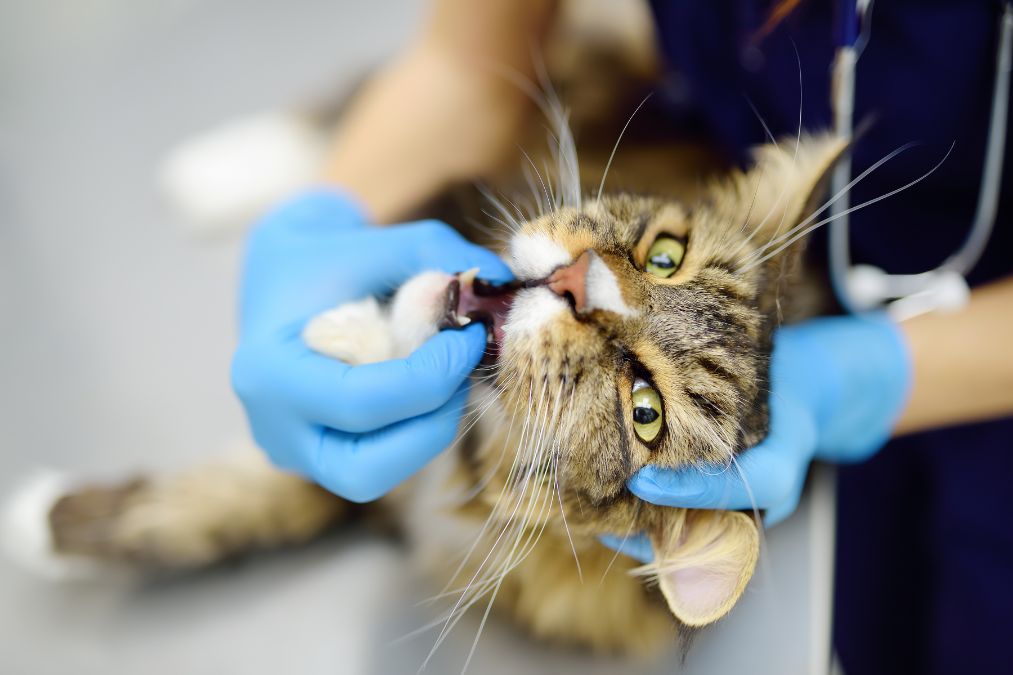
A veterinarian can evaluate your cat’s history, diet, grooming habits, and physical condition. When appropriate, diagnostic testing can provide additional information about your pet’s internal health. This is where pet diagnostic care can be useful in identifying potential problems that may not be apparent from symptoms alone.
For families searching for an animal hospital near you, choosing a veterinary team familiar with feline health can make it easier to monitor digestive changes and develop an appropriate nutrition plan.
How Veterinary Care in Blue Springs Can Support Your Cat’s Digestive Health
There is no single food that prevents every hairball. Your cat’s ideal diet depends on factors such as age, body condition, lifestyle, existing medical concerns, and individual nutritional needs.
A veterinarian can help you evaluate your cat’s current diet and determine whether a hairball-focused or digestive-support diet makes sense. They can also help distinguish normal occasional hairballs from symptoms that warrant further evaluation.
Routine veterinary care gives pet owners an opportunity to discuss nutrition, grooming, stool quality, appetite, and other aspects of feline health. Veterinary care in Blue Springs can also include diagnostic evaluations when a cat’s symptoms suggest that more information is needed.
For cats that become anxious during veterinary visits, a cat-friendly practice can be especially helpful. A calm approach and gentle handling may make routine visits more comfortable for both cats and their owners.
Supporting Your Cat’s Digestive Health
Healthy digestion involves more than choosing a food labeled for hairball control. A complete and balanced diet, adequate hydration, regular grooming, appropriate portion sizes, and routine veterinary care can all contribute to your cat’s overall well-being.
If you are looking for a trusted vet in Blue Springs to discuss your cat’s nutrition or recurring hairballs, AniMed Animal Hospital provides comprehensive care for cats and other companion animals. The hospital offers diagnostic care and a cat-friendly approach designed to make veterinary visits more comfortable for feline patients.
If you have concerns about your cat’s digestion, diet, or recurring hairballs, schedule an appointment with our animal hospital so your cat’s individual needs can be evaluated and an appropriate care plan can be discussed.
FAQs
1. Can changing my cat’s food help reduce hairballs?
Ans: A diet formulated with appropriate fiber may help support the movement of swallowed hair through the digestive tract. However, dietary changes should be based on your cat’s individual nutritional needs. Speak with your veterinarian before changing your cat’s primary diet.
2. Is wet food better for cats with hairballs?
Ans: Wet food can provide additional moisture, which supports overall hydration and normal digestive function. Whether wet food is the best choice for your cat depends on its complete nutritional needs, health, and dietary preferences.
3. How often should I brush my cat to help with hairballs?
Ans: The ideal grooming schedule varies by coat type. Long-haired cats generally need more frequent brushing than short-haired cats. Regular grooming can remove loose hair before your cat has a chance to swallow it.
4. Can too much fiber be harmful to cats?
Ans: Yes. Increasing fiber without considering the rest of the diet can affect stool quality and nutrient intake. Cats need a properly balanced diet, so discuss fiber supplementation or a high-fiber diet with a veterinarian first.
5. When should I be concerned about frequent hairballs?
Ans: If hairballs become unusually frequent or occur alongside appetite changes, weight loss, repeated vomiting, constipation, diarrhea, or behavioral changes, your cat should be evaluated by a veterinarian. These signs can indicate a problem that requires more than dietary management.
6. Can a veterinarian help determine why my cat has frequent hairballs?
Ans: Yes. A veterinarian can review your cat’s diet, grooming routine, medical history, and physical condition. Depending on the findings, diagnostic testing may be recommended to look for underlying health concerns.