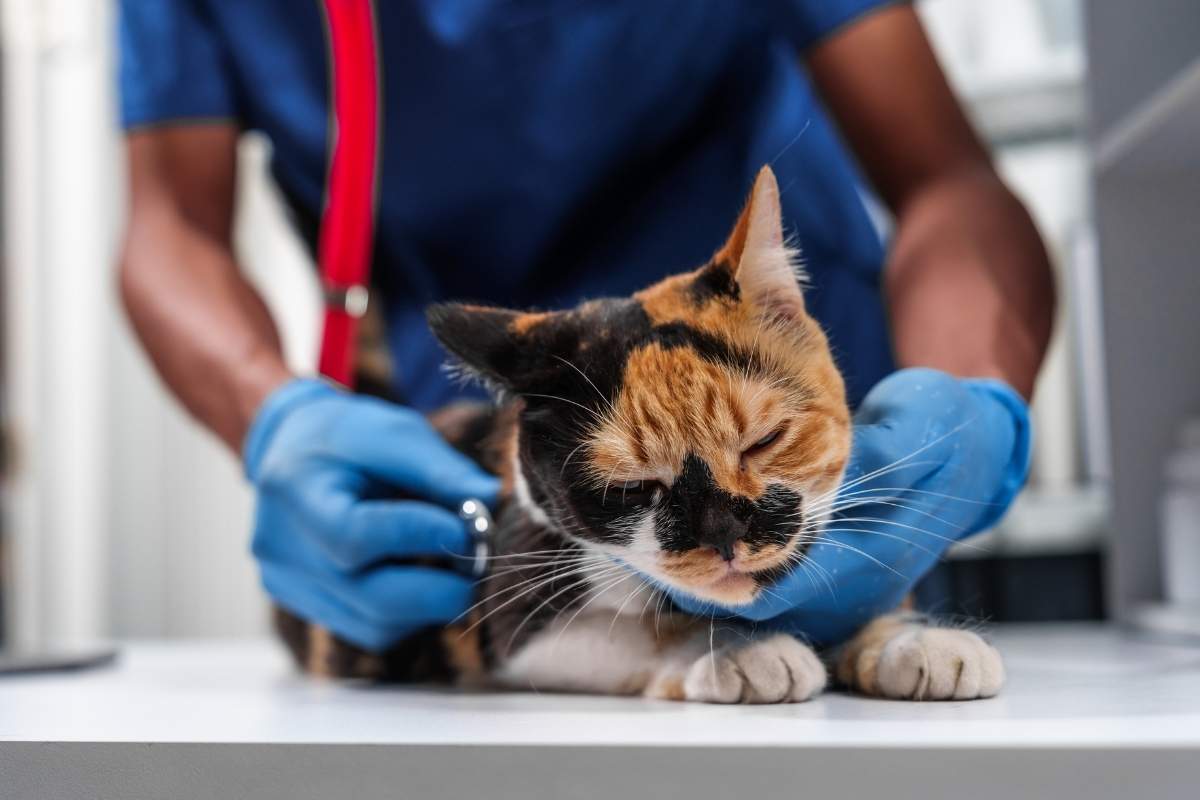


As pets grow older, their bodies undergo gradual yet significant changes that impact metabolism, mobility, and overall health. Consequently, weight gain or loss becomes a common concern for aging dogs and cats. While these fluctuations are often subtle at first, they can greatly influence your pet’s comfort, longevity, and quality of life. Therefore, understanding how to manage weight changes in senior pets is essential for maintaining their well-being.
In this guide, the most effective strategies for supporting healthy weight in older dogs and cats will be discussed. Moreover, owners will find helpful tips on nutrition, exercise, monitoring, and veterinary care that can make a noticeable difference as pets enter their golden years.
Why Weight Changes Occur in Senior Pets
Although many owners expect visible signs of aging, weight gain or loss tends to be overlooked until it becomes severe. However, several age-related factors contribute to such changes.
Slower Metabolism
As pets age, their metabolic rate naturally slows down. Therefore, fewer calories are burned throughout the day, which can lead to gradual weight gain if dietary adjustments are not made.
Reduced Activity Levels
Joint stiffness, arthritis, and lower energy levels often cause senior pets to become less active. As a result, calories are not used efficiently, and weight gain may occur.
Underlying Health Conditions
Conversely, weight loss can be caused by medical issues such as kidney disease, diabetes, thyroid disorders, dental problems, or gastrointestinal illness. Because these conditions are common in older pets, sudden weight loss should always be addressed by a veterinarian.
Changes in Appetite
Furthermore, decreased sense of smell or taste, pain, or cognitive decline may reduce appetite in senior animals. Meanwhile, some pets may eat more due to hormonal imbalances, boredom, or stress.
The Importance of Maintaining a Healthy Weight
Maintaining an ideal body weight is crucial for aging pets. When weight is managed properly, mobility is improved, discomfort is reduced, and overall wellness is enhanced. Additionally, pets at a healthy weight tend to live longer and experience fewer chronic health problems.
On the other hand, excess weight places unnecessary strain on joints and organs. Similarly, being underweight weakens the immune system and increases susceptibility to illness. Because of these risks, early detection and consistent management become essential.
How to Recognize Unhealthy Weight Changes
Even small weight fluctuations can signal underlying issues, so regular monitoring should be prioritized.
Body Condition Scoring
A body condition score (BCS) chart is commonly used by veterinarians to determine whether a pet is underweight, overweight, or at an ideal weight. Since this method relies on feel and visual assessment, it is both practical and reliable.
Noticing Physical Signs
Weight gain may be indicated by decreased stamina, difficulty jumping, or thicker padding over ribs. Meanwhile, weight loss may be noticed through visible spine or hip bones, muscle wasting, or reduced energy.
Routine Weigh-Ins
Because weight changes can occur slowly, monthly weigh-ins are highly recommended. When tracked regularly, trends are easier to identify.
Managing Weight Gain in Senior Pets
If your dog or cat is gaining weight, several strategies can be implemented to help them return to a healthier range.
Modify the Diet
A calorie-controlled diet formulated for senior pets can be extremely beneficial. In addition, foods with higher fiber content may help pets feel full longer. Treat intake should also be reduced, and high-calorie snacks should be avoided.
Encourage Gentle Exercise
Even though older pets may not move as easily as they once did, light activity remains important. Short, slow walks for dogs and play sessions for cats can help burn calories and maintain muscle tone. Moreover, low-impact exercises such as swimming may be recommended for arthritic pets.
Monitor Treats and Table Food
Treats often contain hidden calories, so limiting them can significantly impact weight. Instead, healthy alternatives—such as small pieces of vegetables for dogs or freeze-dried lean proteins for cats—can be offered.
Managing Weight Loss in Senior Dogs and Cats
If an older pet is losing weight, the cause should be identified as soon as possible. After a veterinary evaluation, supportive care can be initiated.
Adjust the Diet for Higher Calorie Intake
Nutrient-dense diets or prescription foods may be recommended for pets experiencing unexplained weight loss. Furthermore, offering smaller and more frequent meals can encourage eating.
Address Dental or Medical Issues
Painful teeth, digestive problems, or chronic disease can reduce appetite. Once these issues are treated, appetite often improves.
Create a Stress-Free Mealtime Environment
Quiet feeding areas can help nervous or confused senior pets feel more comfortable. Additionally, warming wet food can make meals more aromatic and appealing.
When to Seek Veterinary Advice
Because weight changes may indicate serious health concerns, veterinary evaluation is essential whenever fluctuations become consistent or dramatic. A veterinarian may run diagnostic tests to determine the cause and develop a personalized plan to manage the issue. Internal conditions are often easier to address when detected early, so prompt professional care should always be prioritized.
For local support or routine monitoring, services such as senior pet care in Blue Springs can provide helpful guidance and additional resources for aging dogs and cats.
Long-Term Weight Management Tips for Senior Pets
Sustaining a healthy weight throughout your pet’s senior years requires ongoing attention.
Portion Control
Although labels provide general guidelines, individual needs vary. Therefore, measuring meals and adjusting portions based on activity level and metabolic changes is recommended.
Consistent Exercise Routine
Even gentle movement supports weight control, joint health, and mental stimulation. Slow-paced leash walks, puzzle toys, or short play sessions can be incorporated daily.
Regular Checkups
Biannual veterinary visits become especially important for senior pets. During these visits, weight, mobility, dental health, and internal organ function can be monitored closely.
Environmental Enrichment
Keeping pets mentally engaged reduces stress and supports healthier eating habits. Cat trees, safe climbing spaces, interactive feeders, and soft toys are excellent options.
Weight gain or loss in senior dogs and cats should never be ignored, as it often reflects deeper changes in health or lifestyle. Fortunately, with the right combination of nutrition, exercise, monitoring, and veterinary care, these fluctuations can be managed effectively. By staying proactive and attentive, you can help ensure that your aging companion remains comfortable, active, and happy throughout their later years.