
As cats grow older, their healthcare needs begin to change. While kittens and young adult cats often appear energetic and resilient, senior cats require more attentive and proactive care to maintain their health and quality of life. Preventive veterinary care plays a major role in helping aging cats stay comfortable, active, and healthy for as long as possible.
At AniMed Animal Hospital in Blue Springs, we understand the unique challenges senior cats face. Regular wellness visits, early disease detection, proper nutrition, and ongoing monitoring can help your feline companion enjoy their golden years with greater comfort and fewer health complications.
When Is a Cat Considered a Senior?
Most veterinarians consider cats to be seniors around the age of 10 years, although some age-related changes may begin earlier. As cats age, their bodies experience natural changes that can affect mobility, vision, hearing, digestion, and organ function.
Because cats are experts at hiding discomfort or illness, many health conditions can go unnoticed until they become more advanced. Preventive veterinary care allows your veterinarian to identify potential issues early, often before symptoms become severe.
Why Preventive Care Matters for Senior Cats
Preventive care focuses on maintaining health rather than only treating illnesses after they appear. For senior cats, this proactive approach is especially important because aging pets are more susceptible to chronic conditions such as:
- Arthritis
- Kidney disease
- Diabetes
- Dental disease
- Hyperthyroidism
- Heart disease
- High blood pressure
- Obesity
Early detection often means more treatment options, improved comfort, and better long-term outcomes. Regular checkups can also help reduce emergency veterinary visits and costly medical complications later on.
Common Health Changes in Senior Cats
Understanding the changes your senior cat may experience can help you recognize when veterinary attention is needed.
Reduced Mobility and Arthritis
Many older cats develop arthritis, which can make jumping, climbing stairs, or using the litter box uncomfortable. Unfortunately, cats rarely show obvious signs of pain. Instead, you may notice subtle changes such as:
- Sleeping more often
- Avoiding high surfaces
- Reluctance to play
- Difficulty grooming
- Stiffness after resting
Routine veterinary exams can help identify arthritis early so your veterinarian can recommend pain management solutions, joint supplements, weight management, or lifestyle adjustments.
Kidney Disease
Chronic kidney disease is one of the most common conditions affecting senior cats. Symptoms may include:
- Increased thirst
- Frequent urination
- Weight loss
- Poor appetite
- Vomiting
- Lethargy
Regular bloodwork and urine testing are essential because kidney disease can often be detected before major symptoms appear.
Dental Problems
Dental disease is extremely common in aging cats and can significantly impact their comfort and overall health. Infected teeth and inflamed gums may lead to pain, difficulty eating, and even organ complications if bacteria enter the bloodstream.
Signs of dental disease may include:
- Bad breath
- Drooling
- Difficulty chewing
- Pawing at the mouth
- Reduced appetite
Professional dental cleanings and oral exams are important parts of preventive care for senior cats.
Weight Changes
Sudden weight gain or weight loss should never be ignored in older cats. Weight changes may indicate underlying conditions such as thyroid disease, diabetes, kidney disease, or digestive problems.
Your veterinarian can help monitor your cat’s body condition and recommend dietary changes that support healthy aging.
The Importance of Regular Wellness Exams
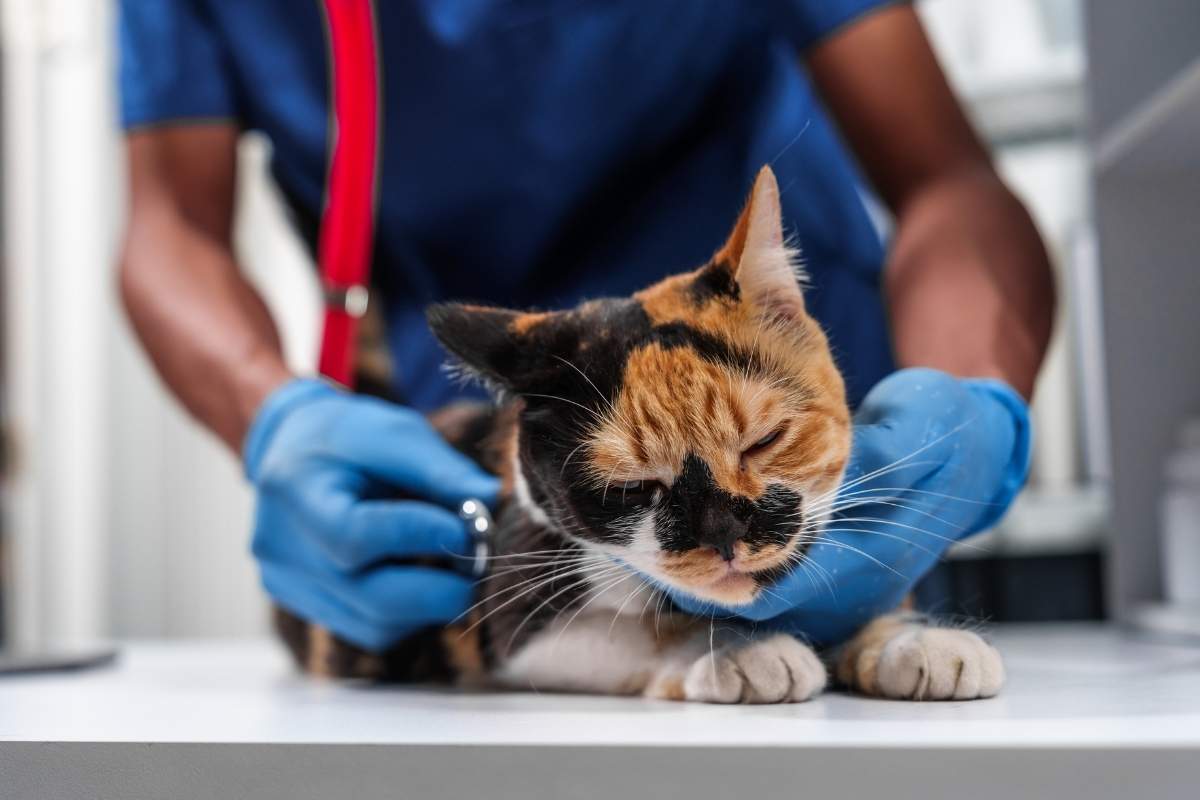
Senior cats should typically visit the veterinarian every six months instead of once yearly. Since cats age more rapidly than humans, these exams help detect health concerns sooner.
During a wellness visit, your veterinarian may perform:
- A comprehensive physical examination
- Weight and body condition evaluation
- Blood pressure monitoring
- Bloodwork and urinalysis
- Dental assessments
- Mobility evaluations
- Nutritional consultations
These routine screenings create a clearer picture of your cat’s health and help track changes over time.
Nutrition for Senior Cats
Proper nutrition becomes increasingly important as cats age. Senior cats may require diets that support:
- Kidney health
- Joint health
- Weight management
- Digestive function
- Immune system support
Older cats may also experience decreased appetite, changes in metabolism, or difficulty chewing dry food. Your veterinarian can recommend a diet tailored to your cat’s specific health needs and lifestyle.
Never switch your cat’s diet without veterinary guidance, especially if your pet has an existing medical condition.
Managing Chronic Conditions Early
One of the greatest benefits of preventive veterinary care is the ability to manage chronic conditions before they severely affect your cat’s quality of life.
Many senior cat illnesses cannot be completely cured, but they can often be managed successfully with:
- Prescription medications
- Specialized diets
- Routine monitoring
- Pain management
- Lifestyle modifications
With proper care, many senior cats continue to live happy, active lives for years after diagnosis.
Behavioral Changes Can Signal Health Problems
Changes in behavior are sometimes the first indication that something is wrong. Senior cats may become more vocal, withdrawn, confused, or irritable due to pain or medical issues.
You should contact your veterinarian if your cat experiences:
- Increased vocalization
- Litter box accidents
- Confusion or disorientation
- Aggression
- Hiding more frequently
- Changes in sleeping patterns
Prompt veterinary attention can help identify the underlying cause and improve your cat’s comfort.
Preventive Care Helps Improve Quality of Life
Preventive care is not only about extending lifespan, it’s also about improving your cat’s day-to-day comfort and happiness.
Simple adjustments at home can make a big difference for senior cats, including:
- Providing soft bedding
- Using low-entry litter boxes
- Offering ramps or steps
- Keeping food and water easily accessible
- Maintaining a calm environment
Combined with regular veterinary care, these adjustments help support healthy aging and reduce stress on your cat’s body.
Vaccinations and Parasite Prevention Still Matter
Some pet owners mistakenly believe indoor senior cats no longer need vaccines or parasite prevention. However, older cats can still be vulnerable to infectious diseases and parasites.
Your veterinarian may recommend continued protection against:
- Fleas
- Ticks
- Heartworms
- Intestinal parasites
- Certain viral diseases
Preventive care plans should always be customized based on your cat’s health, age, and lifestyle.
Partnering with Your Veterinarian
As your cat ages, maintaining open communication with your veterinarian becomes even more important. Tracking subtle changes in appetite, behavior, mobility, or grooming habits can provide valuable insight into your cat’s health.
At AniMed Animal Hospital, our team is committed to helping senior cats in Blue Springs receive compassionate, personalized care throughout every stage of life.
Whether your cat needs routine wellness exams, diagnostic testing, nutritional guidance, or chronic disease management, preventive care can help your feline companion enjoy a healthier and more comfortable future.
Book an Appointment for Your Senior Cat
Regular preventive veterinary visits are one of the best investments you can make in your cat’s long-term health. Early detection and proactive care can help your senior cat stay active, comfortable, and happy throughout their golden years.
If your cat is entering their senior years or is due for a wellness exam, book an appointment with AniMed Animal Hospital today. Our veterinary team proudly serves cats and pet owners throughout Blue Springs and surrounding communities.
Frequently Asked Questions
1. How often should senior cats visit the veterinarian?
Ans: Senior cats should generally have veterinary checkups every six months. More frequent visits help detect age-related health problems earlier and allow veterinarians to monitor ongoing conditions closely.
2. What are common signs of illness in senior cats?
Ans: Common signs include weight loss, increased thirst, vomiting, decreased appetite, changes in litter box habits, reduced mobility, hiding, and changes in behavior or grooming habits.
3. Can indoor senior cats still develop health problems?
Ans: Yes. Even indoor cats can develop conditions such as kidney disease, arthritis, diabetes, dental disease, and thyroid disorders as they age.
4. Why is bloodwork important for older cats?
Ans: Bloodwork helps detect internal health issues before visible symptoms appear. Routine testing can identify conditions like kidney disease, diabetes, liver disease, and thyroid disorders early.
5. Do senior cats still need vaccinations?
Ans: Many senior cats still benefit from vaccinations and parasite prevention. Your veterinarian will recommend a customized preventive care plan based on your cat’s lifestyle and health status.
6. How can I make my senior cat more comfortable at home?
Ans: You can improve your senior cat’s comfort by providing soft bedding, easy access to food and water, low-entry litter boxes, and minimizing stress in the home environment.