

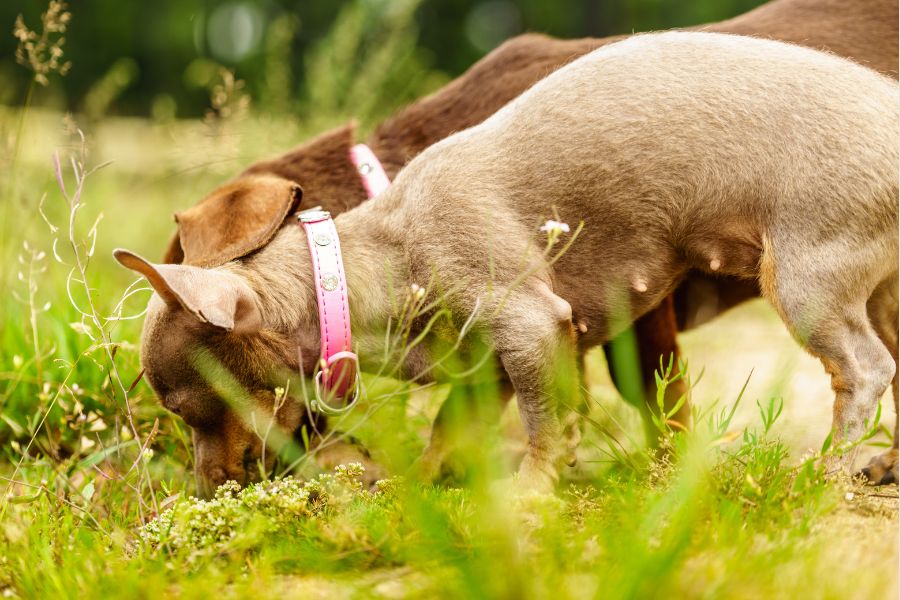
Dogs eating grass is a behavior that often puzzles pet owners and sparks many questions. Could it be their way of self-medicating? Or is it just a quirky habit stemming from boredom or curiosity? This blog dives deep into the possible reasons dogs chew or eat grass, examining whether this behavior truly serves as self-medication or if other factors are at play.
When Grass Becomes Medicine: Separating Myth from Fact
A widespread belief among dog owners is that dogs consume grass to soothe upset stomachs. Indeed, some dogs vomit after eating grass, leading to the assumption that this is an intentional act to relieve discomfort. However, scientific observations suggest this might not be the predominant reason behind the behavior.
Research notes that less than 25% of dogs vomit after eating grass, with only about 10% showing signs of illness beforehand. This data implies that while some dogs may use grass to help alleviate gastrointestinal distress, most do not eat grass as a direct form of self-medication for diarrhea or vomiting. Instead, the behavior may stem from other physiological or psychological needs.
Fiber Fix: Grass as a Natural Digestive Aid
Grass is rich in fiber, which is beneficial for digestive health. Dogs, especially those lacking sufficient roughage in their diet, may instinctively graze to improve gut motility and stool passage. Fiber helps in regulating bowel movements and may alleviate issues like constipation.
Therefore, grass eating could be a natural method for dogs to supplement their diet when fiber is lacking. This behavioral adaptation echoes the instincts of their wild ancestors, who consumed plants opportunistically for nutritional balance.
Beyond Digestion: Boredom, Taste, and Instinct
While some dogs might graze for health reasons, many chew grass simply because they enjoy it or are stimulated by its texture and taste. Boredom or lack of environmental enrichment can trigger this behavior, calling attention to the need for more exercise or mental stimulation in your dog’s daily routine.
Moreover, grass is often more enticing when fresh — such as newly grown shoots in spring or freshly mowed lawns — which some dogs find appealing regardless of any digestive discomfort.
When to Worry: Signs of Health Issues Behind Grass Eating
If your dog shows excessive grass eating accompanied by vomiting, lethargy, or other distress signals, it may indicate an underlying health problem such as gastrointestinal disease, parasites, or dietary deficiency. Persistently frequent grass grazing should prompt a visit to a trusted veterinary clinic in Blue Springs, MO, for a thorough evaluation.
Veterinarians can assess your dog’s condition, rule out serious medical issues, and suggest appropriate dietary adjustments or treatments if needed to improve your pet’s well-being.
Understanding the motivations behind dogs eating grass helps owners respond appropriately—whether it’s enriching their environment, ensuring a balanced diet, or seeking veterinary advice for health concerns. For personalized care and expert guidance, reaching out to a reliable veterinary clinic in Blue Springs, MO, can make a significant difference in your dog’s health and happiness.
Frequently Asked Questions (FAQ)
1. What Could It Mean When Dogs Eat Grass?
A: Grass eating can mean various things for dogs. It often signifies a natural craving for fiber, boredom, or simple enjoyment. Occasionally, it might indicate mild digestive upset, but most dogs are healthy and don’t use grass specifically to self-medicate.
2. Is It Safe to Let Your Dog Eat Grass If They Want To?
A: Generally, occasional grass eating is safe if the grass is free from pesticides, herbicides, or other chemicals. However, if your dog is frequently eating grass, vomiting, or showing signs of illness, consult a veterinary clinic in Blue Springs, MO, to ensure there are no health concerns.
3. What Nutrient Might a Dog Be Missing If They Eat Grass?
A: Dogs might turn to grass to supplement fiber lacking in their diet. While a balanced commercial diet typically provides sufficient nutrients, some dogs instinctively seek out extra fiber through grass to aid digestion.
4. Do Dogs Eat Grass Because They Are Sick?
A: Some dogs may consume grass when experiencing nausea or other gastrointestinal issues, but research shows that few dogs exhibit illness prior to grass eating or vomit afterward. While it can be a sign of sickness, most grass eating is not directly linked to illness.