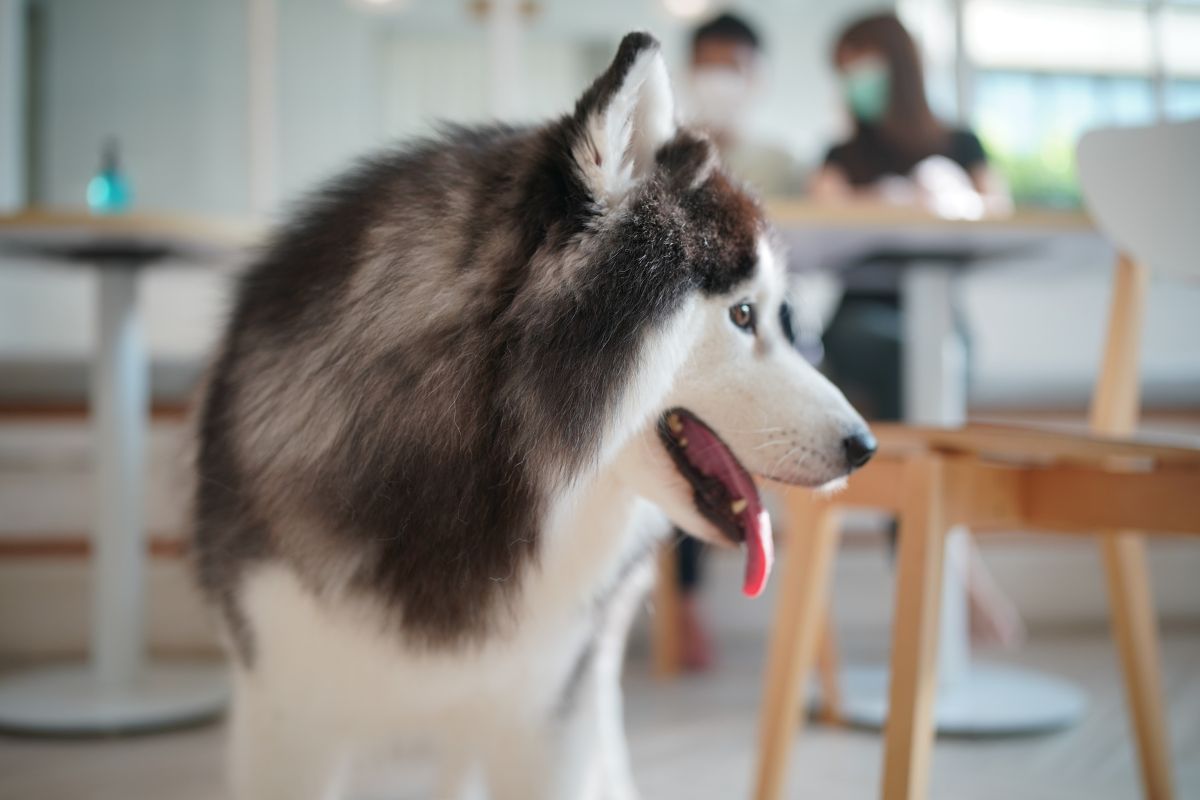


A happy pet isn’t just physically healthy—emotional wellness plays an equally important role. As pets become more intertwined with our daily lives, their mental health is finally receiving the attention it deserves. Just like humans, pets can experience stress, boredom, frustration, and even anxiety. Fortunately, with the right lifestyle choices, you can create an enriching environment that helps your pet stay emotionally balanced.
Before we dive deeper, take a moment to spot the difference between these two pets:
Pet A: Sleeps excessively, destroys household items, avoids interaction, and shows little enthusiasm.
Pet B: Actively engages with toys, follows daily routines, maintains a healthy appetite, and interacts with family members.
The difference is striking—Pet A lacks mental stimulation and emotional support, while Pet B enjoys a balanced, enriched lifestyle. Understanding this contrast can help you shape a healthier emotional world for your own furry companion.
A Blissful Mind Begins with Routine: Why Structure Matters
Pets thrive when they know what to expect. Although they may not understand time the same way humans do, they quickly learn patterns. Establishing daily routines—especially for meals, walks, playtime, and rest—can significantly reduce stress and increase confidence.
Why routines matter:
- They reduce unpredictability, which lowers anxiety.
- They help pets understand boundaries and expectations.
- They build trust between you and your companion.
- They prevent behavioral issues triggered by confusion or inconsistency.
For example, if your dog never knows when the next walk will happen, restlessness and pacing may become frequent behaviors. In contrast, predictable daily walks encourage calmness and security.
Creative Enrichment: Turning Boredom into Discovery
Mental stimulation is a crucial foundation of a pet’s emotional health. Even though physical exercise is essential, it doesn’t fully satisfy your pet’s cognitive needs. Fortunately, enrichment activities turn ordinary days into opportunities for exploration and learning.
Enrichment Ideas to Spark Joy
- Puzzle feeders and treat toys: Encourage problem-solving skills.
- Scent games: Hide treats around the house to activate instincts.
- Training sessions: Teach new tricks using positive reinforcement.
- Window perching for cats: Provide a rotating “visual buffet” of birds and scenery.
- DIY obstacle courses: Challenge their agility and confidence.
Notably, enriching play sessions also strengthens the owner-pet bond, creating positive emotional associations and reducing destructive behaviors caused by boredom.
Socialization: The Emotional Glue Pets Need
Socialization goes beyond meeting other animals—it includes interactions with people, environments, sounds, and experiences. When pets are well-socialized, they handle new situations with greater confidence and less fear.
Benefits of proper socialization
- Minimizes fear-based behaviors
- Boosts adaptability
- Enhances emotional resilience
- Encourages healthy curiosity
Introduce new experiences gradually. For instance, bring your pet to different outdoor environments, let them meet friendly humans, or expose them to new sounds. However, always move at your pet’s pace to avoid overwhelming them.
Nutrition & Sleep: The Silent Architects of Emotional Health
Mental and physical health are deeply connected, especially when it comes to diet and rest. A poor diet can lead to irritability, low energy, and slower cognitive responses. Meanwhile, insufficient rest results in agitation and reduced tolerance for stressors.
Key lifestyle habits to support emotional balance
- Offer nutritionally balanced meals that match your pet’s age and lifestyle
- Maintain a quiet, comfortable sleeping space
- Follow regular feeding schedules for stability
- Ensure hydration to prevent fatigue and behavioral dips
Interestingly, many pets display improved mood and behavior within weeks of switching to a healthier diet and routine.
Human Bonding: The Emotional Anchor Pets Rely On
Connection is a basic emotional need for pets. While individual animals vary—some crave constant affection, others prefer gentle companionship—all pets benefit from positive human interaction.
Ways to build secure emotional bonds
- Speak to your pet in upbeat tones
- Use gentle petting, brushing, or massage
- Spend quality time engaging in shared activities
- Be patient and consistent in communication
- Offer encouragement during stressful moments
Pets that feel safe with their humans tend to exhibit more stable behavior, stronger resilience, and higher emotional intelligence.
Recognizing Emotional Red Flags Early
Understanding emotional warning signs allows you to act early and prevent deeper distress. Behavioral changes are often the first indicators that something is wrong.
Signs that your pet may be emotionally struggling
- Sudden aggression or irritability
- Lack of interest in favorite activities
- Over-grooming or self-mutilation
- Excessive vocalization or withdrawal
- Changes in eating or sleeping patterns
- Destructive behaviors
- Separation anxiety symptoms
If you notice persistent emotional red flags, consider discussing them with Blue Springs veterinarians, as professional guidance can help identify underlying behavioral or medical causes.
Exercise for the Mind and Body: The Dual Path to Balance
Regular physical activity naturally supports emotional balance. When pets exercise, they release endorphins—the “feel-good” chemicals associated with relaxation and joy. Furthermore, physical activity reduces tension, improves sleep, and boosts confidence.
Exercise ideas
- Daily walks with varied routes
- Jogging or hiking for high-energy dogs
- Laser pointer or feather wands for cats
- Doggy playdates for social stimulation
- Climbing structures and tunnels for small animals
In addition, mixing physical and mental exercise leads to the most satisfying emotional results. For example, play fetch (physical) but add a “sit” or “stay” command (mental challenge) before each throw.
Environmental Harmony: Designing a Stress-Free Home
Your pet’s surroundings play a powerful role in shaping their emotional well-being. A loud, chaotic environment can create anxiety, while a calm and organized home supports relaxation.
Tips for creating an emotionally supportive space
- Maintain consistent temperature and lighting
- Reduce noise levels during rest times
- Introduce safe zones or hiding spots
- Provide species-appropriate furniture (cat trees, beds, etc.)
- Keep toys within easy reach
- Avoid overcrowding rooms with distractions
A peaceful environment encourages your pet to rest deeply, explore confidently, and feel secure.
The Long-Term Impact of Emotional Balance
When you support your pet’s mental health, you shape their long-term happiness. Emotionally balanced pets display:
- Healthier relationships with family members
- Better coping skills during stressful changes
- Longer attention spans
- More stable energy levels
- Enhanced overall well-being
Moreover, emotionally healthy pets are less likely to develop chronic stress-related conditions, improving quality of life and strengthening the bond you share.
Ultimately, keeping your pet emotionally balanced is an ongoing journey—not a one-time effort. By prioritizing routine, enrichment, bonding, nutrition, socialization, and a calm environment, you create a lifestyle that nurtures both body and mind. As you incorporate these practices, you’ll notice your pet becoming more relaxed, confident, and joyful.
A healthy lifestyle isn’t just about surviving—it’s about thriving emotionally. And with your guidance, your pet can enjoy a life filled with comfort, stability, and happiness every day.