

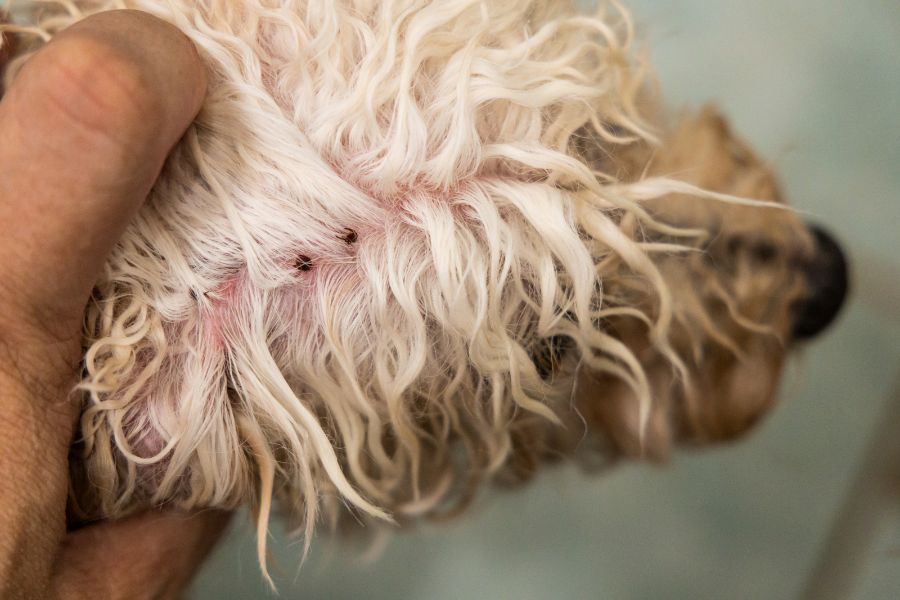
If your dog or cat is constantly scratching, licking paws, rubbing against furniture, or shaking their head, allergies may be the reason. This guide explains what causes itching, how to recognize patterns, what steps you can take at home, and when professional care is needed.
You will also learn how seasonal changes in Blue Springs, MO, can affect your pet’s skin and comfort. By the end, you will feel more confident about identifying triggers and finding practical solutions for lasting relief.
What Are Pet Allergies?
Pet allergies happen when your pet’s immune system overreacts to something harmless in the environment. Instead of ignoring pollen, dust, or certain foods, the body treats them like a threat. The result is inflammation, itching, and discomfort.
Unlike humans, pets often show allergies through their skin. You might notice:
- Constant scratching
- Red or irritated skin
- Paw chewing
- Ear infections
- Hair thinning or bald patches
These signs can range from mild to severe. Paying attention to patterns helps you understand what may be causing the reaction.
Common Causes of Itching
1. Environmental Triggers
Grass, pollen, mold, and dust mites are common irritants. In spring and fall, many pets in Blue Springs experience flare-ups because of higher pollen counts and changing weather. Even indoor pets can react to particles brought inside on shoes and clothing.
2. Food Sensitivities
Some pets react to specific proteins or ingredients. Beef, chicken, dairy, and wheat are common culprits. Food-related itching often affects the ears, face, and paws.
3. Fleas
A single flea bite can cause intense itching in sensitive pets. Even if you do not see fleas, they may still be present. Consistent prevention is important throughout the year.
4. Contact Irritants
Shampoos, cleaning products, lawn treatments, and even certain fabrics may irritate your pet’s skin. If itching started after a change in household products, this may be the cause.
How to Spot the Pattern
Understanding timing helps narrow down triggers.
- Does scratching worsen after outdoor walks?
- Does it appear only during certain months?
- Did symptoms begin after a diet change?
Keeping a simple notebook with dates and observations can reveal useful clues. Note where your pet scratches most and how often flare-ups occur. This record becomes helpful during a professional exam.
Why Early Attention Matters
Chronic itching can lead to secondary infections. Repeated scratching damages the skin barrier, allowing bacteria or yeast to grow. Ear infections are also common in allergic pets.
Addressing the problem early prevents discomfort from becoming a larger issue. Clear communication with your care provider ensures your pet receives the right support before symptoms escalate.
What You Can Do at Home
1. Keep the Skin Clean
Regular baths with a gentle, pet-safe shampoo can remove allergens from the coat. Avoid overbathing, which can dry out the skin.
2. Wipe Paws After Walks
A quick wipe with a damp cloth removes pollen and grass residue.
3. Wash Bedding Weekly
Dust mites and pollen collect in soft fabrics. Hot water washing reduces buildup.
4. Maintain Flea Prevention
Year-round protection is essential, even during colder months.
Small changes can significantly reduce irritation and support comfort.
When Professional Care Is Needed
If itching persists longer than a few days, worsens, or leads to sores, professional evaluation is important. A physical exam helps determine whether the issue is environmental, food-related, or caused by parasites.
Treatment options may include:
- Prescription medication for inflammation
- Medicated shampoos
- Diet trials
- Allergy testing
- Preventive plans tailored to your pet
Each pet responds differently. A personalized approach provides better long-term relief than guessing at home remedies.
If you would like to explore the full range of services designed to support your pet’s comfort and overall health, visit our website to learn more about how we care for families in our community.
Living Comfortably in Blue Springs
Local weather plays a role in skin health. Warm, humid summers increase exposure to grasses and molds. Dry winter air can worsen itching and flaking.
Monitoring seasonal trends allows you to prepare before flare-ups start. Many families in this area notice symptoms intensify during heavy pollen months. Proactive care reduces stress for both pets and owners.
Clear Steps Toward Relief
- Observe symptoms carefully
- Identify possible environmental changes
- Maintain consistent prevention routines
- Seek professional guidance when needed
Relief is possible with patience and the right plan. Managing pet allergies requires understanding your pet’s unique sensitivities and responding thoughtfully.
Conclusion
Watching your pet struggle with constant itching can be frustrating and concerning. Careful observation, simple home adjustments, and timely professional support make a meaningful difference. Clear communication ensures your pet receives appropriate care based on individual needs. With patience and proactive steps, comfort is achievable and sustainable.
We are conveniently located in Blue Springs, MO, and welcome you to our facility at 1715 MO-7, Blue Springs, MO 64014—where compassionate care and community come together for your pet’s well-being. Schedule an appointment with AniMed Animal Hospital.
Frequently Asked Questions(FAQs):
1. What are the first signs of allergies in pets?
A: Early signs often include frequent scratching, licking paws, rubbing the face, mild redness, and occasional ear irritation. These symptoms may appear mild at first, but can progress if not addressed promptly.
2. Can allergies cause ear infections?
A: Yes. Many allergic pets develop repeated ear infections due to inflammation and moisture buildup. Persistent head shaking or foul odor from the ears may signal an underlying allergic response.
3. Are food allergies common in dogs and cats?
A: Food allergies are less common than environmental triggers, but still possible. They usually cause year-round itching rather than seasonal flare-ups. A structured diet trial helps identify food-related reactions accurately.
4. How long does it take to see improvement?
A: Improvement depends on the cause and treatment plan. Some pets respond within days, while others require several weeks of consistent management and monitoring before noticeable changes occur.
5. Can I treat itching with over-the-counter products?
A: Some mild cases improve with gentle shampoos or supplements. Persistent or severe itching needs professional guidance to avoid masking symptoms or delaying effective treatment.
6. Do allergies go away on their own?
A: Allergies rarely disappear completely. Many pets require ongoing management to stay comfortable. Early identification and a structured plan make symptoms easier to control over time.