
Cats are experts at hiding discomfort, which makes dental disease one of the most overlooked health issues in felines. Even when experiencing oral pain, many cats continue their normal routines, making it difficult for pet owners to detect problems early.
Proper cat dental care is essential to maintaining your feline’s comfort, preventing disease, and supporting their overall well-being.
Understanding Dental Disease in Cats
Dental disease often begins silently. After meals, plaque forms on your cat’s teeth. Over time, this plaque hardens into tartar, which irritates the gums and encourages bacterial growth. This can lead to gingivitis and eventually periodontal disease.
If untreated, bacteria can spread below the gumline, damaging tissues and causing tooth loss. In more serious cases, bacteria may enter the bloodstream and affect vital organs such as the heart, liver, and kidneys.
Common Signs of Dental Problems in Cats
Because cats mask pain well, dental issues may go unnoticed. However, some warning signs include:
- Persistent bad breath
- Red or swollen gums
- Yellow or brown tartar buildup
- Drooling or difficulty chewing
- Eating less or dropping food
- Behavioral changes such as irritability or hiding
Routine veterinary checkups are key to identifying these signs early.
How Dental Health Affects Your Cat’s Overall Wellness
Oral health plays a major role in your cat’s quality of life. Painful dental conditions can make eating difficult, leading to weight loss and reduced energy levels.
Additionally, bacteria from untreated dental infections can travel through the bloodstream and damage internal organs. This makes preventive dental care critical—not just for oral health, but for your cat’s entire body.
What to Expect During a Professional Dental Cleaning
Professional dental cleanings are a vital part of preventive care. At AniMed Animal Hospital, the process typically includes:
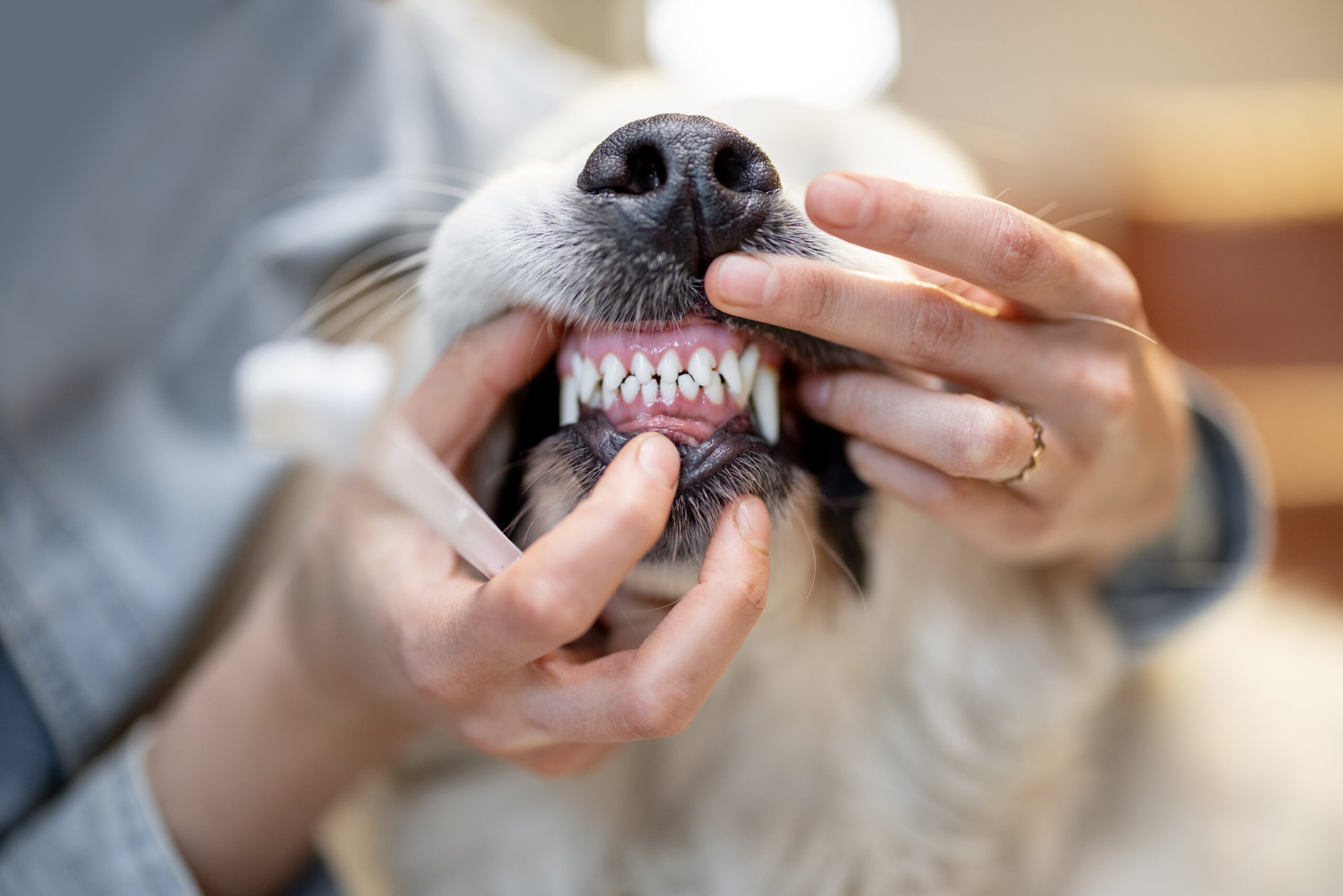
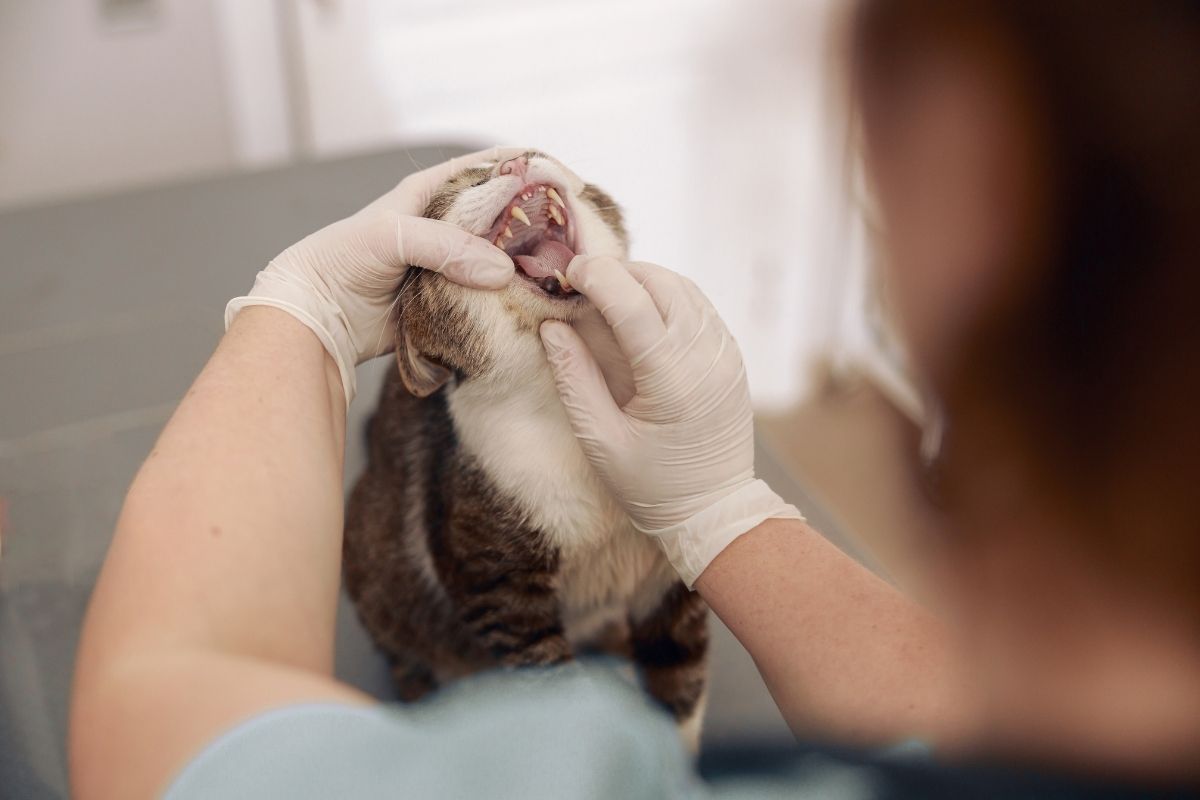
Comprehensive Oral Exam
A detailed evaluation of your cat’s teeth, gums, and oral tissues. Dental X-rays may be used to detect hidden issues.
Scaling and Tartar Removal
Specialized tools remove plaque and tartar above and below the gumline.
Polishing
Teeth are polished to smooth the surface and reduce future plaque buildup.
Treatment if Needed
Damaged or infected teeth may be treated or removed to relieve pain and prevent complications.
Anesthesia is used to ensure your cat remains comfortable and safe throughout the procedure.
At-Home Dental Care for Cats
While professional cleanings are essential, at-home care helps maintain results:
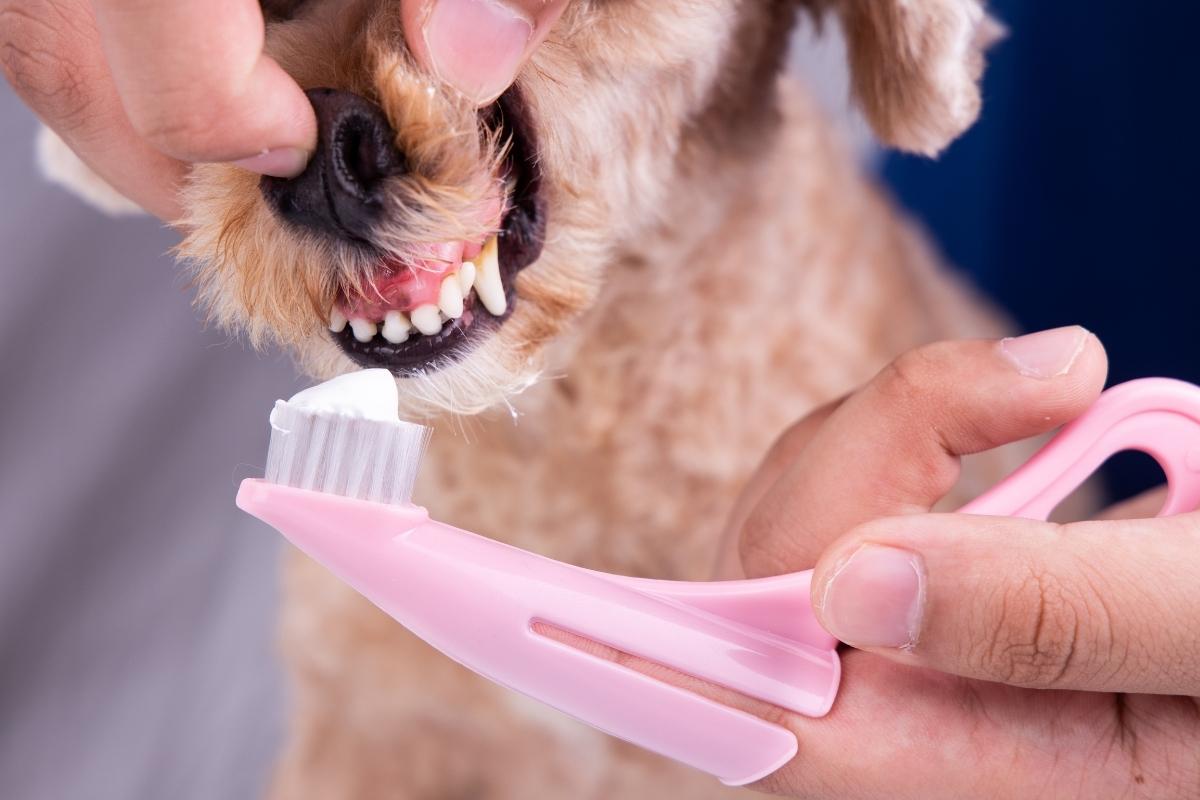
- Brush your cat’s teeth regularly using pet-safe toothpaste
- Provide dental treats or specialized diets
- Introduce dental care gradually with positive reinforcement
Consistency in at-home care reduces the risk of severe dental disease.
How Often Should Cats Have Dental Exams?
Most cats should have dental evaluations at least once a year. However, senior cats or those prone to dental issues may need more frequent checkups.
Your veterinarian will recommend a care schedule based on your cat’s age, health, and lifestyle.
Preventive Care Protects Your Cat’s Health
Routine dental care helps:
- Prevent painful infections
- Improve appetite and nutrition
- Reduce the risk of organ damage
- Avoid costly emergency treatments
- Support a longer, healthier life
Taking a proactive approach ensures your cat stays comfortable and healthy.
Give Your Cat the Care They Deserve
Your cat’s dental health is directly linked to their overall well-being. Regular cleanings and consistent care can prevent serious health problems and improve their quality of life.
If your cat is showing signs of dental issues or is due for a checkup, don’t wait—book an appointment with AniMed Animal Hospital to ensure they receive expert, compassionate care.
FAQs
Q1. Why is dental cleaning important for cats?
It prevents plaque and tartar buildup, reducing the risk of gum disease, tooth loss, and infections that can affect overall health.
Q2. What are early signs of dental disease in cats?
Bad breath, swollen gums, drooling, difficulty eating, and behavioral changes are common early indicators.
Q3. How often should my cat have a dental cleaning?
Most cats need annual dental exams, though some may require more frequent care.
Q4. Is anesthesia necessary for dental cleanings?
Yes, it allows for a thorough and safe cleaning, including below the gumline.
Q5. Can I maintain my cat’s dental health at home?
Yes, brushing and dental treats help, but they should complement—not replace—professional cleanings.
Q6. Can dental disease affect overall health?
Yes, untreated dental disease can lead to infections that impact vital organs like the heart and kidneys.