
Maintaining your dog’s oral hygiene is one of the most overlooked yet essential aspects of overall health. Just like humans, dogs can suffer from plaque buildup, gum disease, and tooth decay if their teeth aren’t cared for properly. At AniMed Animal Hospital in Blue Springs, veterinarians emphasize that consistent dental care can prevent serious health issues and improve your pet’s quality of life.
If you’ve never brushed your dog’s teeth before, this step-by-step guide will walk you through the entire process in a simple, stress-free way.
Why Brushing Your Dog’s Teeth Matters
Dental disease is one of the most common conditions in dogs. Without proper care, plaque can harden into tartar, leading to gum inflammation, bad breath, and even tooth loss. More importantly, bacteria from oral infections can enter the bloodstream and affect vital organs like the heart and kidneys.
Regular brushing helps:
- Prevent plaque and tartar buildup
- Reduce bad breath
- Protect against gum disease
- Support overall health and longevity
For pet owners looking for reliable pet dental care blue springs, daily or regular brushing at home is a crucial first step alongside professional veterinary checkups.
When Should You Start Brushing Your Dog’s Teeth?
The best time to start is when your dog is still a puppy, as they adapt more quickly to new routines. However, adult dogs can also learn with patience and positive reinforcement.
Start slow and gradually introduce the process to avoid stress or resistance.
What You’ll Need Before You Start
Before brushing your dog’s teeth, gather the right tools:
1. Dog-Specific Toothbrush
Use a toothbrush designed for dogs. Options include:
- Finger brushes
- Soft-bristled dog toothbrushes
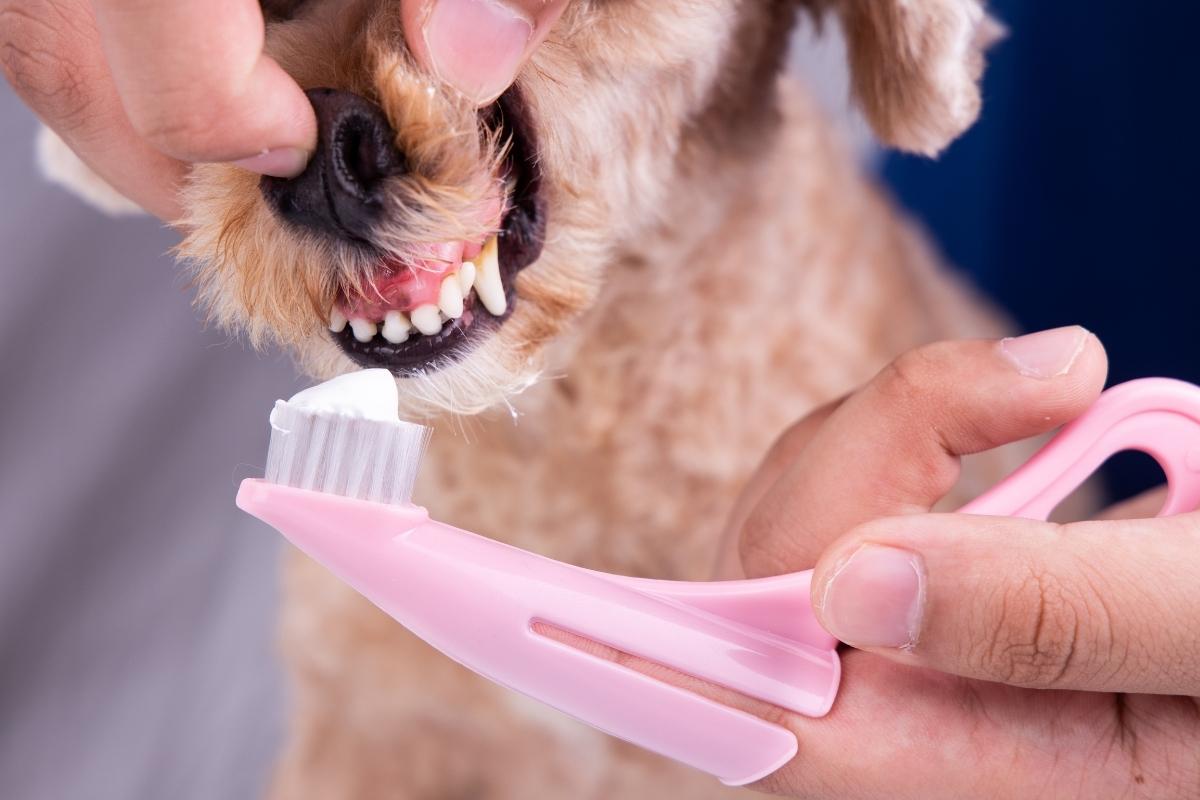
2. Dog Toothpaste
Never use human toothpaste, it contains ingredients that can be harmful if swallowed. Dog toothpaste comes in pet-friendly flavors like chicken or peanut butter.
3. Treats and Rewards
Positive reinforcement is key. Keep treats handy to reward your dog after each session.
Step-by-Step Guide to Brushing Your Dog’s Teeth
Step 1: Get Your Dog Comfortable
Choose a calm environment where your dog feels safe. Sit beside them and gently hold their head. Let them sniff and taste the toothpaste to build familiarity.
Step 2: Lift the Lips Gently
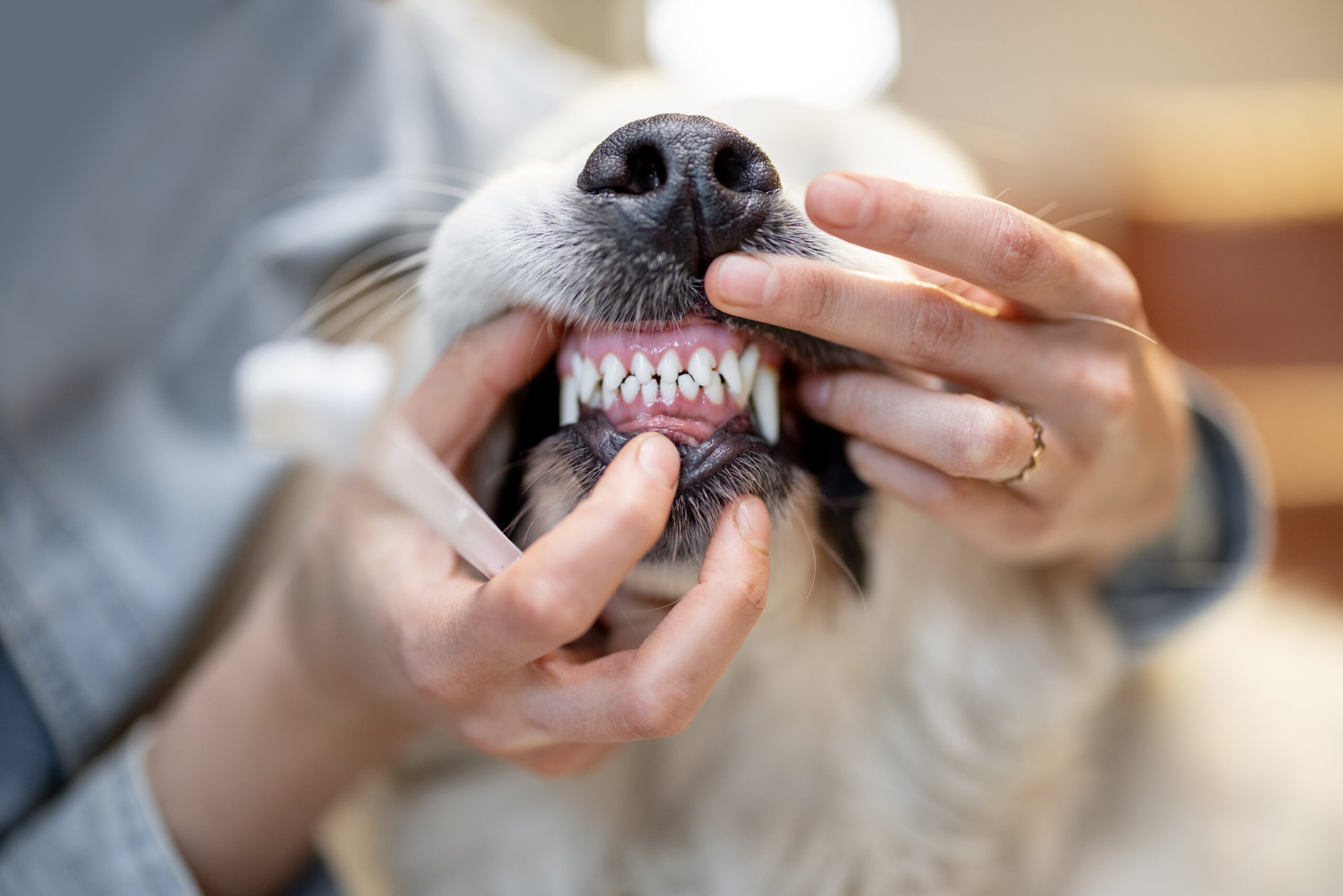
Using your fingers, carefully lift your dog’s lips to expose the teeth. Focus on the outer surfaces, as these are most prone to plaque buildup.
Step 3: Introduce the Toothbrush
Start by brushing a few teeth at a time. Use slow, gentle circular motions. Avoid forcing the brush inside the mouth initially.
Step 4: Focus on Key Areas
Pay special attention to:
- Back teeth (molars)
- Gum line
These areas tend to accumulate the most plaque.
Step 5: Keep Sessions Short
In the beginning, keep brushing sessions to 1–2 minutes. Gradually increase the duration as your dog becomes more comfortable.
Step 6: Reward Your Dog
Always end on a positive note. Praise your dog and give a treat to reinforce good behavior.
How Often Should You Brush Your Dog’s Teeth?
Ideally, you should brush your dog’s teeth daily. However, even brushing 3–4 times a week can significantly reduce plaque buildup.
Consistency matters more than perfection. Establish a routine that fits your schedule and your dog’s comfort level.
Common Mistakes to Avoid
Even well-meaning pet owners can make mistakes when brushing their dog’s teeth. Here are a few to watch out for:
- Using human toothpaste – Always use pet-safe products
- Brushing too hard – Gentle pressure prevents gum irritation
- Skipping routine – Irregular brushing reduces effectiveness
- Ignoring warning signs – Bad breath, bleeding gums, or difficulty eating may indicate dental issues
If you notice any concerning symptoms, it’s best to consult a veterinarian promptly.
When to Seek Professional Dental Care
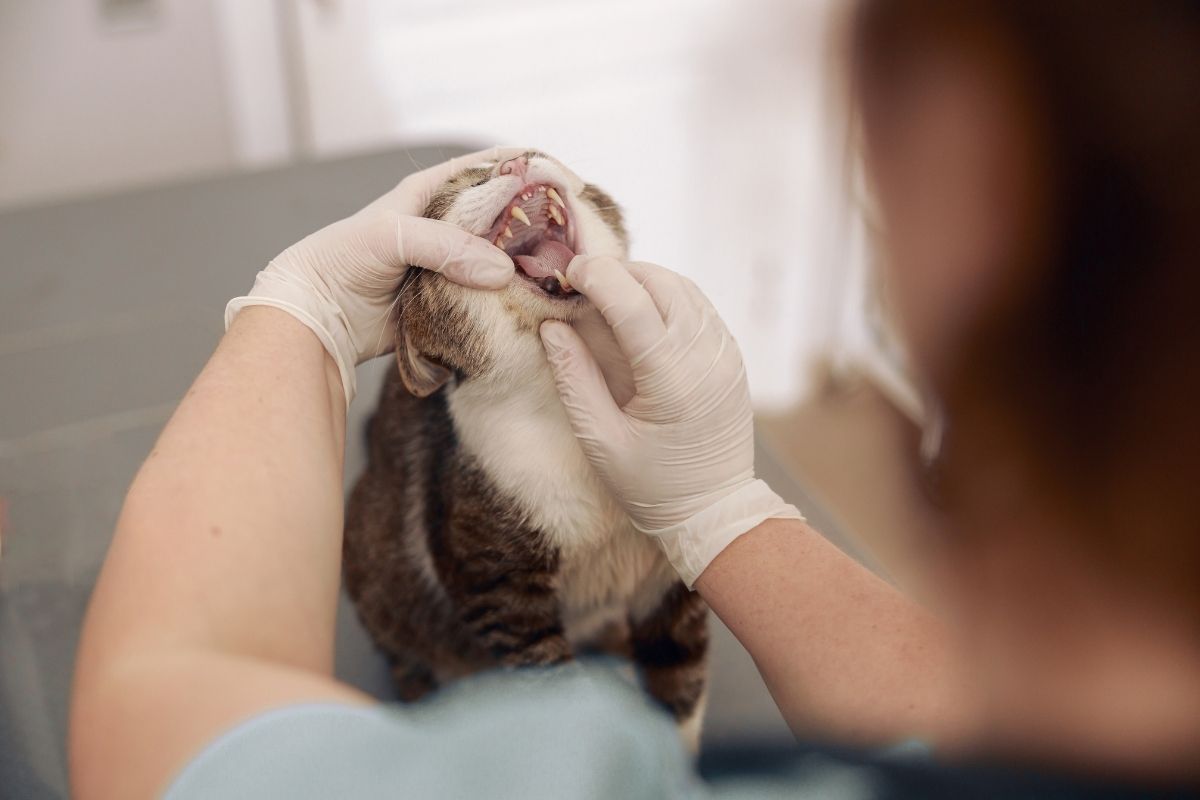
While brushing at home is essential, it doesn’t replace professional dental cleanings. Veterinarians can remove hardened tartar and check for underlying issues that aren’t visible to the naked eye.
Signs your dog may need professional care:
- Persistent bad breath
- Yellow or brown tartar buildup
- Red or bleeding gums
- Loose or missing teeth
If your dog shows any of these symptoms, it’s time to schedule an appointment with a trusted veterinary team for a thorough dental evaluation.
Tips to Make Brushing Easier
- Start slow and be patient
- Use flavored toothpaste your dog enjoys
- Stick to a consistent routine
- Pair brushing with positive experiences
- Gradually increase brushing time
With time and consistency, brushing your dog’s teeth can become a simple and stress-free part of your routine.
Final Thoughts
Brushing your dog’s teeth is a small effort that makes a big difference in their overall health. By following a proper step-by-step approach and staying consistent, you can prevent dental disease and keep your dog happy and healthy for years to come.
At AniMed Animal Hospital in Blue Springs, the focus is always on preventive care and educating pet owners to provide the best possible care at home. Combining regular brushing with professional dental checkups ensures your dog maintains a bright smile and optimal health.
Frequently Asked Questions
1. How do I know if my dog needs dental care?
Ans: Signs include bad breath, swollen gums, tartar buildup, and difficulty eating. These indicate it’s time for a dental checkup.
2. Can I use baking soda or human toothpaste?
Ans: No, human dental products can be harmful to dogs. Always use toothpaste specifically formulated for pets.
3. What if my dog refuses to let me brush their teeth?
Ans: Start slowly, use positive reinforcement, and try finger brushes or dental wipes as an alternative.
4. Are dental chews a good substitute for brushing?
Ans: Dental chews can help reduce plaque but should not replace regular brushing.
5. How long does it take to see results from brushing?
Ans: With consistent brushing, you may notice fresher breath and cleaner teeth within a few weeks.
6. Is professional dental cleaning necessary if I brush regularly?
Ans: Yes, professional cleanings are still important to remove hardened tartar and detect hidden dental issues.