
Many pet owners assume that bad breath in dogs is normal, but persistent foul breath—also called halitosis—can often indicate an underlying dental problem. Poor oral health can lead to discomfort, infections, and even more serious health complications if left untreated.
At AniMed Animal Hospital in Blue Springs, we regularly help pet owners address dental issues that contribute to bad breath. Understanding the causes of halitosis and maintaining a consistent dental care routine can help keep your dog’s mouth healthy and their breath fresh.
Why Dental Care Is Important for Dogs
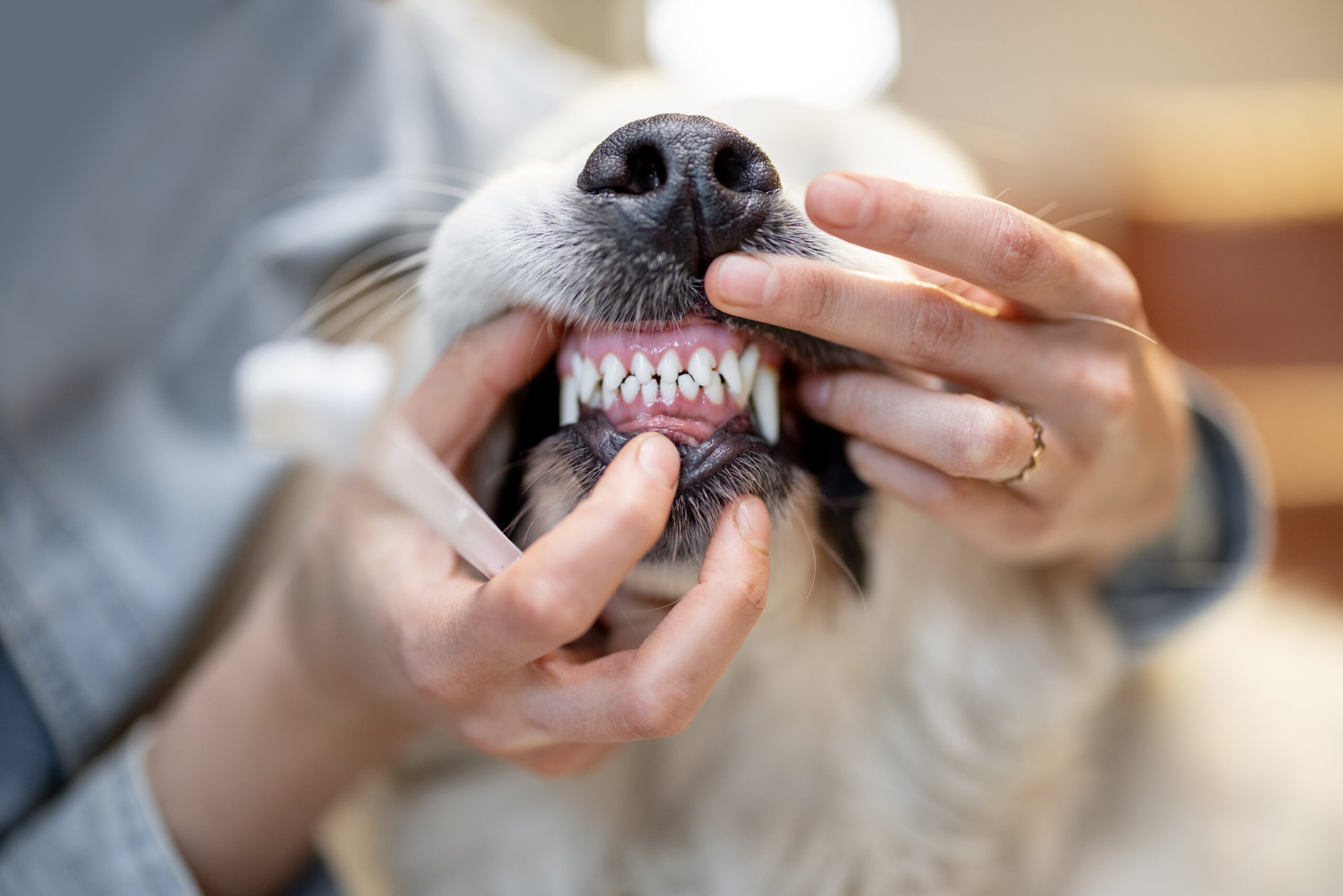
Just like humans, dogs require regular dental care to maintain healthy teeth and gums. When plaque and bacteria build up on the teeth, they eventually harden into tartar. Over time, this buildup can irritate the gums and lead to infection.
Without proper dental care, dogs may develop:
- Tooth decay
- Gum disease
- Painful infections
- Tooth loss
- Potential systemic health issues
Routine home care and professional veterinary dental exams are essential for preventing these problems.
Common Causes of Bad Breath in Dogs
Several dental and medical conditions can cause bad breath in dogs. Recognizing the potential causes can help pet owners take action early.
Periodontal Disease
Periodontal disease is the most common cause of bad breath in dogs. It occurs when plaque and bacteria accumulate along the gum line, causing inflammation and infection. If left untreated, periodontal disease can damage the gums and structures supporting the teeth.
Tooth Decay
Although less common than in humans, dogs can still develop cavities or tooth decay. Food debris and bacteria can erode the enamel and cause unpleasant odors from the mouth.
Gingivitis
Gingivitis is an early stage of gum disease characterized by swollen, red, or bleeding gums. It often develops when plaque and tartar accumulate on the teeth and can worsen if not treated.
Oral Growths or Tumors
Abnormal growths in the mouth, such as tumors or lesions, may cause persistent bad breath. These conditions require prompt veterinary evaluation.
Foreign Objects in the Mouth
Dogs often chew on sticks, toys, or other objects. Occasionally, fragments can become lodged between teeth or gums, leading to irritation, infection, and foul-smelling breath.
Underlying Health Conditions
In some cases, bad breath may signal an internal health issue. For example, kidney disease may cause a distinctive odor in a dog’s breath due to toxin buildup in the body.
Tips to Prevent and Manage Bad Breath in Dogs
Maintaining your dog’s oral hygiene is the best way to prevent bad breath and dental disease.
Brush Your Dog’s Teeth Regularly
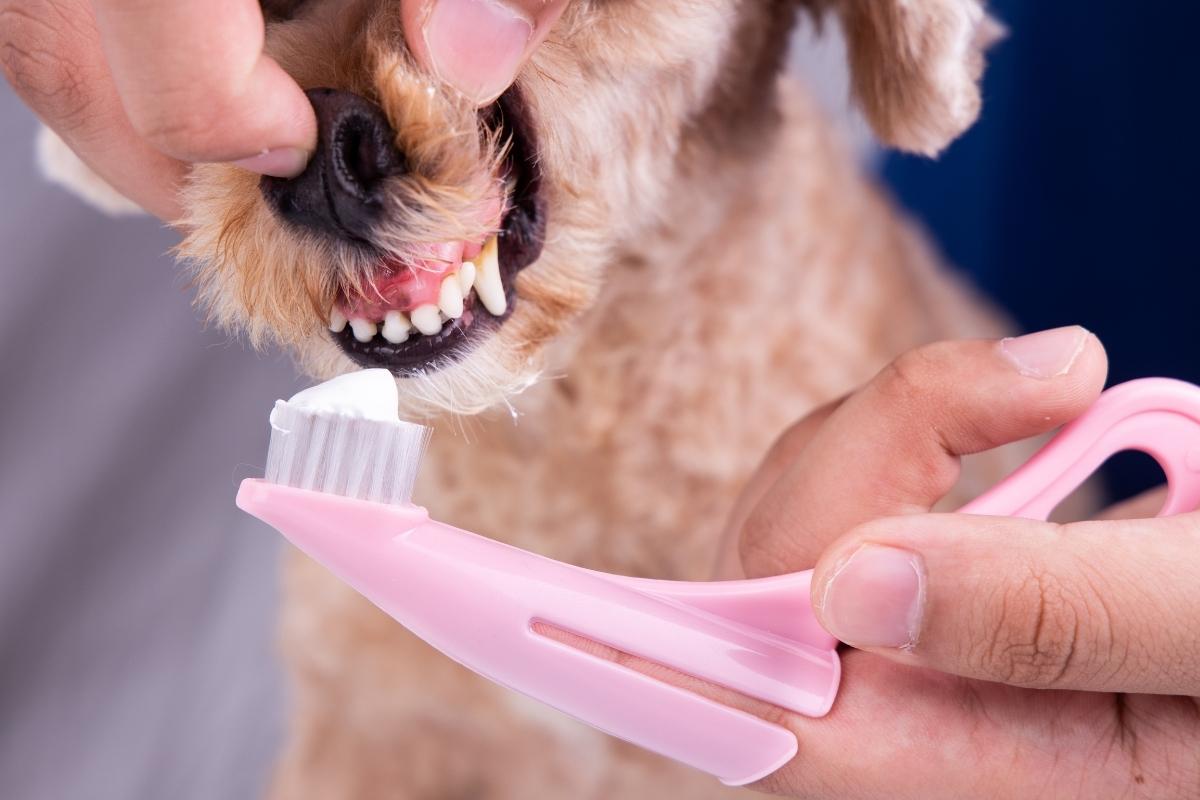
Brushing your dog’s teeth is one of the most effective ways to reduce plaque and tartar buildup. Use a toothbrush and toothpaste specifically designed for dogs, as human toothpaste can be harmful to pets.
Ideally, brushing should be done several times a week or daily if possible.
Provide Dental Chews and Toys
Dental chews and specially designed chew toys help clean the teeth while your dog chews. These products can reduce plaque buildup and support healthier gums.
Schedule Regular Veterinary Dental Exams
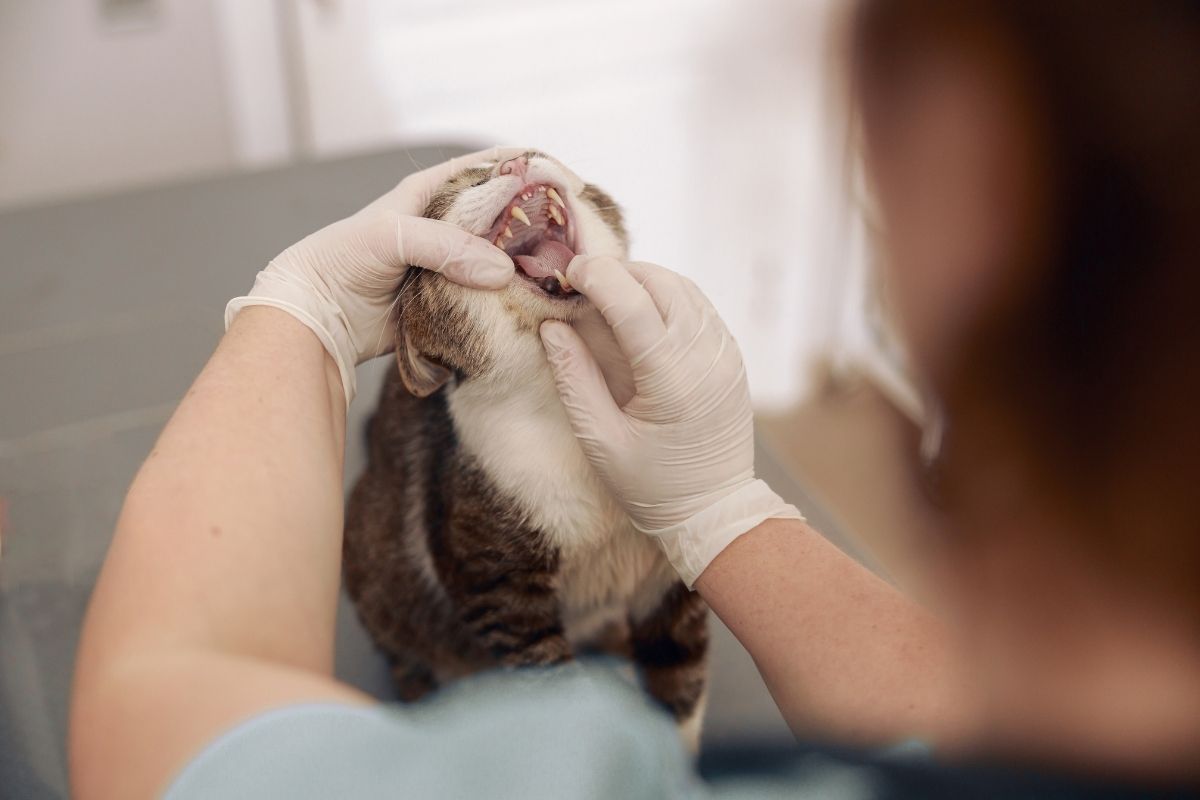
Routine veterinary checkups allow professionals to monitor your dog’s oral health and detect problems early. Your veterinarian may recommend professional dental cleanings when necessary.
Choose a Dental-Friendly Diet
High-quality dog food formulated for dental health can help minimize plaque accumulation. Your veterinarian may also recommend special dental diets or supplements that support oral hygiene.
Consider Professional Dental Cleanings
If your dog already has plaque and tartar buildup, professional dental cleaning may be needed. These procedures remove hardened deposits that cannot be eliminated with brushing alone.
When to Contact Your Veterinarian
Occasional mild odor may be normal, but persistent bad breath can signal a health problem. Contact your veterinarian if you notice:
- Loss of appetite
- Excessive drooling
- Swollen or bleeding gums
- Loose teeth
- Weight loss
- Changes in behavior or energy levels
- Vomiting or digestive problems
Prompt veterinary care can help identify the cause and prevent more serious complications.
Supporting Your Dog’s Oral Health
Good dental care is an important part of your dog’s overall wellness. By brushing your dog’s teeth regularly, offering dental chews, and scheduling routine veterinary exams, you can help prevent dental disease and keep your pet comfortable.
If your dog is experiencing persistent bad breath or signs of dental discomfort, the veterinary team at AniMed Animal Hospital in Blue Springs can help evaluate your pet’s oral health and recommend the best treatment options.
With the right care, your dog can maintain healthy teeth and fresher breath for years to come.
Frequently Asked Questions
1. How can I prevent bad breath in my dog?
Regular tooth brushing, dental chews, and routine veterinary dental exams are key steps in preventing bad breath and maintaining good oral health.
2. Can bad breath indicate a serious health problem?
Yes. Persistent bad breath may sometimes indicate dental disease or underlying health issues such as kidney disease or oral tumors.
3. How often should I brush my dog’s teeth?
Veterinarians generally recommend brushing your dog’s teeth at least 2–3 times per week, although daily brushing provides the best protection.
4. Can I use human toothpaste for my dog?
No. Human toothpaste contains ingredients that can be harmful to dogs. Always use toothpaste specifically formulated for pets.
5. Do dental chews replace brushing?
Dental chews can help reduce plaque, but they should not replace regular brushing and veterinary dental care.