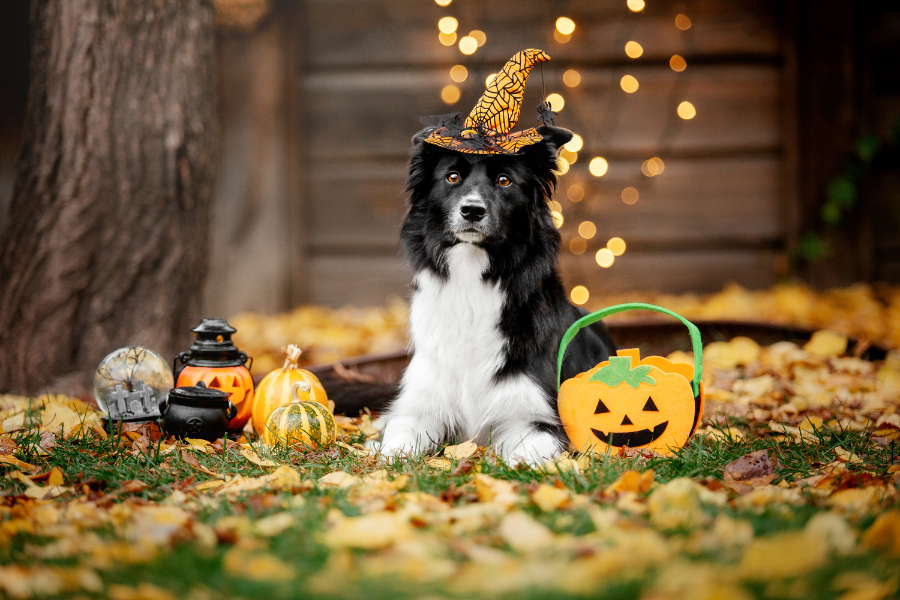
Halloween brings plenty of treats into the house. Candy bowls fill up, kids come home with bags of sweets, and snacks seem to appear on every table. For pets, however, those tempting treats can create unexpected health risks.
Dogs may sniff out candy hidden in bags, bedrooms, or coat pockets. Cats may be more interested in wrappers, strings, or food left unattended. Even a small amount of the wrong ingredient can cause trouble.
The good news is that your pet does not have to miss the fun. With a few simple substitutions, you can offer Halloween treats that are appropriate for your pet while keeping human candy safely out of reach.
Why Is Halloween Candy Unsafe for Pets?
Human candy is made for people, not pets. Some ingredients can cause digestive upset, while others can be toxic.
Chocolate is one of the better-known Halloween hazards. Chocolate contains methylxanthines, including theobromine, which pets cannot process the same way humans do. Dark chocolate, baking chocolate, and cocoa powder generally present greater risks because of their higher concentrations. Signs of significant exposure can include vomiting, diarrhea, restlessness, abnormal heart rhythms, tremors, and seizures.
Sugar-free candy can present another serious problem. Some products contain xylitol, a sweetener that can cause a dangerous drop in blood sugar in dogs and may also damage the liver.
Halloween candy may also contain other ingredients pets should avoid, including raisins and certain nuts. Even candy without a toxic ingredient can contain large amounts of sugar and fat, which may upset a pet’s digestive system.
The safest rule is straightforward: keep the human candy for humans and give pets treats intended for them.
What Halloween Treats Can You Give Your Dog?
A Halloween treat does not need to look like candy. Your dog will probably be just as interested in a small piece of familiar food or a favorite dog treat.
Here are several options to consider.
Plain Pumpkin
Pumpkin fits the Halloween theme perfectly. Small amounts of plain, cooked pumpkin or 100% pure pumpkin puree can make a simple seasonal treat for many dogs. Be sure you are using plain pumpkin rather than pumpkin pie filling.
Pumpkin pie filling may contain added sugar, spices, or other ingredients your dog does not need. Try placing a small spoonful of plain pumpkin in your dog’s food or using a little to fill a food puzzle.
Small Pieces of Carrot
Carrots have a natural crunch that many dogs enjoy. Wash them thoroughly and cut them into pieces appropriate for your dog’s size. Large pieces can become a choking risk, particularly for dogs that swallow food quickly. Smaller portions also make it easier to control how many treats your dog receives throughout the evening.
Plain Green Beans
Plain green beans can be another simple option for dogs that enjoy vegetables. Serve them without butter, garlic, onion, sauces, or seasoning. Fresh or cooked pieces can work, provided they are prepared safely and cut to an appropriate size.
Small Apple Pieces
A few small pieces of fresh apple can give your dog a naturally sweet crunch. Remove the core, stem, and seeds before serving. Cut the apple into bite-sized pieces based on your dog’s size. There is no need to add caramel, peanut butter, sugar, or other toppings. Plain is the better choice.
Your Dog’s Regular Treats
Sometimes the safest Halloween snack is already in your pantry. If your dog has a favorite veterinary-approved treat that agrees with their stomach, there is no reason Halloween treats need to be different. You can make the occasion feel special by placing several pieces in a food puzzle or using them during a Halloween-themed training game. This approach can be particularly useful for dogs with sensitive stomachs or dietary restrictions.
What About Halloween Treats for Cats?
Cats have different nutritional needs than dogs, so fruits and vegetables are generally not the most appealing way to include them in Halloween festivities. Instead, use a small portion of your cat’s regular treats or another food already approved as part of their diet.
You can make the experience more interesting without changing the food. Hide a few treats around a quiet room, place them inside a cat-friendly puzzle feeder, or use treats as rewards during play. This gives your cat something enjoyable to do while trick-or-treaters are arriving at the door.
Can You Make Homemade Halloween Treats for Pets?
Yes, but simple recipes are usually better. Homemade treats give you control over the ingredients, but that does not automatically make every recipe pet-safe. Recipes found online may contain ingredients that are unsuitable for your particular pet.
Avoid adding chocolate, cocoa, raisins, grapes, macadamia nuts, xylitol, excessive salt, or unnecessary sweeteners. Onions, garlic, and chives should also be kept out of pet treats.
If you want to make a seasonal dog treat, consider a very simple combination using ingredients your dog has eaten safely before. Plain pumpkin can provide the Halloween theme without requiring sugary decorations.
If your pet has food allergies, gastrointestinal problems, pancreatitis, diabetes, kidney disease, or another medical condition, ask your veterinarian in Blue Springs before introducing homemade treats.
How Many Halloween Treats Are Too Many?
Safe ingredients can still cause problems when pets eat too much. A handful of extra snacks can add more calories than you realize, particularly for a small dog or cat. Too many unfamiliar foods may also cause vomiting, diarrhea, gas, or loss of appetite. Keep portions small and consider the treats part of your pet’s overall daily food intake.
For pets already following a veterinary diet, weight-management program, or prescription diet, changing foods simply because it is Halloween may not be appropriate. Their normal treats can still be made festive through games, toys, and activities.
Make Treat Time an Activity
Food is only one part of the fun. Halloween can actually be a useful opportunity to provide mental stimulation while keeping your pet occupied. This can be especially helpful when the doorbell is ringing repeatedly.
Try putting appropriate treats into a food puzzle or treat-dispensing toy. Dogs can also practice familiar cues such as “sit,” “stay,” or “go to your bed” and receive a small treat as a reward.
For cats, hide treats in easy-to-find locations in a secure room or combine treat time with interactive play. Keeping pets occupied away from the front door may also reduce their exposure to the noise and activity associated with trick-or-treaters. The ASPCA recommends providing pets with a comfortable space away from busy Halloween door traffic when needed.
Keep the Candy Bowl Completely Separate
Offering pet-friendly alternatives only works if your pet cannot reach the human treats. Do not assume placing candy on a table is enough, especially if you have a determined dog. Store candy in a closed cabinet or another location your pet cannot access.
Pay attention to children’s Halloween bags as well. A bag left on a bedroom floor or couch can quickly become an opportunity for a curious pet. After trick-or-treating, check floors, sidewalks, and areas around the front door for dropped candy and wrappers.
Wrappers themselves can create problems if swallowed. Foil, plastic, and cellophane packaging can cause gastrointestinal problems and potentially contribute to an obstruction.
What Should You Do If Your Pet Eats Halloween Candy?
If you discover that your pet has eaten candy, do not simply wait for symptoms to appear. First, determine what your pet ate. Save the packaging if possible and check the ingredient list. Estimate how much may be missing and note approximately when the incident happened.
Your veterinarian may also need to know your pet’s weight and whether your pet is showing any unusual symptoms. Contact a veterinary professional promptly if your pet has eaten chocolate, a product containing xylitol, raisins, grapes, macadamia nuts, or another potentially harmful ingredient. ASPCA Poison Control also recommends contacting a veterinarian or poison control promptly when toxic ingestion is suspected.
Do not induce vomiting or give home remedies unless a veterinary professional specifically instructs you to do so.
Signs to Watch for After Your Pet Eats Something Unsafe
Symptoms depend on what your pet ate, the amount consumed, their body weight, and other health factors.
Concerning signs may include:
- Vomiting or diarrhea
- Weakness or unusual tiredness
- Restlessness or agitation
- Trembling or shaking
- Loss of coordination
- Excessive thirst
- Changes in appetite
- Abnormal heart rate
- Seizures
- Collapse
Some toxic exposures may not cause immediate symptoms. That is why contacting a veterinary professional based on what your pet ate, rather than waiting to see how they act, is important.
Plan Your Pet’s Halloween Menu Before the Candy Arrives
A little preparation can make Halloween much easier. Choose your pet’s treats before October 31. Portion them ahead of time and tell family members which foods are specifically for the pet. Keep children’s candy in a completely separate location.
If guests are coming over, ask them not to share food with your dog or cat. A well-meaning guest may not know about your pet’s allergies, dietary restrictions, or medical needs.
You can even prepare a small pet Halloween station with their regular treats, favorite toys, water, and a food puzzle. That gives everyone an easy way to include the pet without reaching into the candy bowl.
Celebrate Halloween With Safer Choices
Your pet does not know the difference between a piece of Halloween candy and a favorite pet-safe snack. What matters to them is being included.
Choose small portions of familiar, appropriate foods, keep chocolate and sugar-free candy securely stored, and watch carefully for dropped wrappers or treats. If you are unsure whether a particular food is appropriate for your pet, veterinary guidance can help you make a safer choice.
For pet owners in Blue Springs, AniMed Animal Hospital provides care for dogs, cats, and small mammals, including wellness care, diagnostics, dental care, surgery, senior pet care, and additional veterinary services. The hospital also offers same-day appointments on a first-come, first-served basis when possible.
If your pet eats something questionable this Halloween or you are concerned about a sudden change in their health, contact our professionals for guidance. Choosing us as a vet near you who understands your pet’s health history can make it easier to get appropriate advice when unexpected situations happen.
Frequently Asked Questions
1. Can dogs eat pumpkin as a Halloween treat?
Ans: Plain pumpkin can be offered to many dogs in small amounts. Choose plain cooked pumpkin or 100% pumpkin puree without added sugar, spices, or sweeteners. Avoid pumpkin pie filling. If your dog has a medical condition or follows a restricted diet, ask your veterinarian before adding new foods.
2. Is chocolate dangerous for both dogs and cats?
Ans: Yes. Chocolate contains methylxanthines that can cause serious health problems in both dogs and cats. Dark chocolate, baking chocolate, and cocoa powder contain higher concentrations and can pose greater risks. Contact a veterinarian promptly if your dog or cat eats chocolate.
3. Can I give my pet sugar-free Halloween treats?
Ans: Do not give your dog sugar-free candy intended for people. Some sugar-free products contain xylitol, which can cause severe hypoglycemia and liver injury in dogs. Always read ingredient labels carefully.
4. What should Blue Springs pet owners do if their dog eats Halloween candy?
Ans: Determine what was eaten, save the packaging, and estimate the amount consumed. Then contact AniMed Animal Hospital during regular business hours for guidance. The hospital advises owners to call immediately for pet emergencies during business hours and directs after-hours emergencies to nearby 24-hour facilities.
5. Can AniMed Animal Hospital help if my pet becomes sick after eating something unusual?
Ans: Yes. AniMed Animal Hospital provides veterinary services including wellness care, diagnostics, surgery, dental care, and care for sudden health concerns. Same-day appointments are available on a first-come, first-served basis whenever possible.
6. Where can I take my pet for veterinary care in Blue Springs?
Ans: AniMed Animal Hospital serves dogs, cats, and small mammals in the surrounding community. The hospital is located at 1715 SW State Route 7 in Blue Springs and is open Monday through Friday from 8:00 a.m. to 6:00 p.m. and Saturday from 8:00 a.m. to noon.