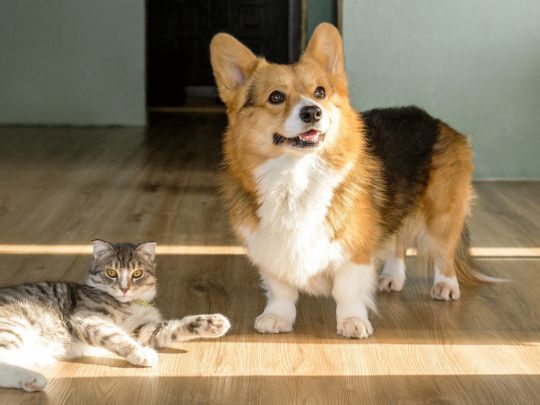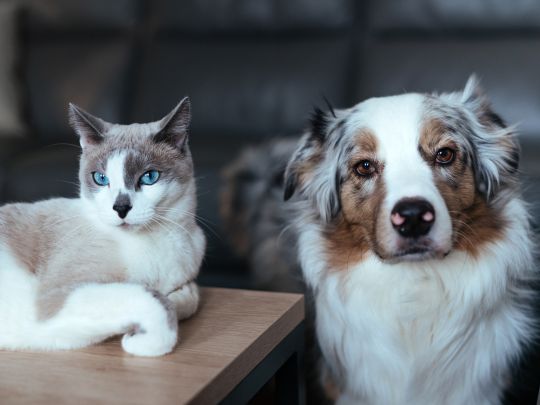
Your pet may appear healthy, eat normally, and remain active while subtle changes develop inside their body. For pet owners in Blue Springs, Independence, Grain Valley, and nearby Missouri communities, routine veterinary exams offer an chance to catch these changes early.
At AniMed Animal Hospital, preventive care helps pet owners understand their animals’ health beyond visible symptoms. Our veterinarian may recommend routine bloodwork to evaluate organ function, identify potential concerns, and build an important health record.
Why Is Bloodwork Important During a Routine Pet Exam?
Routine pet bloodwork helps assess internal health conditions that may not show up during a physical exam. It provides information about blood cells, organ function, blood sugar, and other important health indicators.
A physical examination assesses your pet’s visible condition, while laboratory testing provides additional insight into internal processes.
The veterinarian may recommend blood testing to:
- Identify possible kidney or liver problems.
- Check for anemia, inflammation, or signs of infection.
- Evaluate blood sugar and electrolyte levels.
- Establish baseline values for future comparisons.
- Monitor existing medical conditions or medications.
Bloodwork does not diagnose every disease. However, it can help determine whether additional testing or monitoring is necessary.
What Can Routine Blood Tests Reveal About Your Pet’s Health?
Different laboratory tests examine different aspects of your pet’s health. The veterinary team selects appropriate tests based on age, medical history, examination findings, and individual health risks.
Complete Blood Count (CBC)
A complete blood count measures red blood cells, white blood cells, and platelets.
Red blood cells transport oxygen, white blood cells support immune responses, and platelets help blood clot. Abnormal findings may suggest anemia, inflammation, infection, or other conditions requiring further investigation.
Blood Chemistry Panel
A blood chemistry panel evaluates substances associated with organ function and metabolism.
These measurements may reveal changes in kidney and liver function, blood sugar, proteins, and electrolytes. Results help guide decisions about further diagnostic testing and ongoing preventive care.
Additional Screening Tests
Some pets may benefit from thyroid testing, heartworm screening, or other laboratory evaluations.
Urinalysis may also be recommended alongside bloodwork. Urine exams provide additional information about kidney function, hydration, and urinary health.
Why Might a Healthy-Looking Pet Need Bloodwork?
Dogs and cats cannot explain when something feels different. Some medical conditions also develop gradually without obvious early symptoms.
For example, kidney function may change before a pet develops noticeable thirst or appetite problems. Blood tests can identify changes that warrant further evaluation.
Routine screening also establishes baseline results. Comparing current measurements with previous findings helps the veterinary team recognize developing patterns, even when individual values remain within laboratory reference ranges.
How Often Should Dogs and Cats Have Routine Bloodwork?
No single testing schedule fits every pet. Age, breed, lifestyle, medications, and medical history influence screening recommendations.
Healthy younger pets may require less frequent testing than older animals or pets managing chronic conditions.
The American Animal Hospital Association recommends considering blood counts, chemistry testing, and urinalysis every 6 to 12 months for senior dogs and cats.
Your pet’s veterinarian can determine whether annual screening, more frequent monitoring, or additional diagnostic tests are appropriate.
What Happens During a Pet Bloodwork Appointment?
Blood collection is generally a brief procedure performed by trained veterinary personnel. A small sample is commonly collected from a vein in the leg or neck.
Laboratory equipment analyzes the sample, either at the hospital or at an outside diagnostic laboratory.
Most pets tolerate routine collection without significant difficulty. Some tests require fasting, so follow the veterinary near you team’s preparation instructions.
If your pet takes medications or has unusual symptoms before the appointment, let the hospital know.
What Happens If Your Pet’s Blood Test Results Are Abnormal?
An abnormal laboratory result does not automatically mean your pet has a serious disease.
Mild changes may reflect temporary conditions, medications, hydration differences, or normal biological variation. The veterinary team interprets findings alongside examination results and medical history.
Depending on the findings, recommendations may include repeat testing, urine analysis, imaging, or additional evaluation.
Schedule an appointment our animal hospital now if your pet develops concerning symptoms and needs timely veterinary assessment.
Persistent appetite changes, increased drinking, unexplained weight loss, or unusual fatigue warrant an examination. Collapse, breathing difficulty, or severe weakness may require emergency attention.
Support Your Pet’s Long-Term Health With Preventive Veterinary Care
Routine bloodwork provides valuable information that supports informed decisions about your pet’s health. Combined with regular examinations, it may help identify concerns earlier and guide appropriate preventive care.
At AniMed Animal Hospital in Blue Springs, we help pet families understand their animals’ changing healthcare needs through wellness examinations and preventive services.
Call our hospital at +1 816-220-0222 to schedule your pet’s routine veterinary examination and discuss recommended bloodwork.
Frequently Asked Questions
1. Does my healthy dog really need routine bloodwork?
Ans: Yes, bloodwork may be recommended even when your dog appears healthy. It can identify certain internal changes before noticeable symptoms develop. Preventive screening also provides baseline measurements for future comparisons.
2. How often should senior cats receive blood tests?
Ans: Many senior cats benefit from laboratory screening every 6 to 12 months, depending on their health. At AniMed Animal Hospital, our team can review your cat’s medical history and recommend an appropriate preventive screening schedule.
3. Can routine bloodwork detect kidney disease in pets?
Ans: Blood tests can detect changes in kidney function, though additional testing may be needed. Our veterinary team can recommend appropriate blood and urine screening to investigate possible kidney concerns.
4. Is bloodwork painful for dogs and cats?
Ans: Most pets experience only brief discomfort during blood collection. Veterinary personnel use appropriate handling techniques to reduce stress. At AniMed Animal Hospital, our team can discuss the collection process and address concerns before your pet’s appointment.
5. Should puppies and kittens have bloodwork during wellness visits?
Ans: Young pets may need bloodwork based on their medical history, symptoms, or planned procedures. Not every wellness appointment requires the same tests. Our team can explain which preventive screenings may benefit your growing pet.
6. Can normal blood test results rule out every disease?
Ans: No, normal results can’t rule out every medical condition. Some diseases require imaging, urine testing, or other diagnostic procedures. Continued wellness examinations remain important even when laboratory findings appear normal.