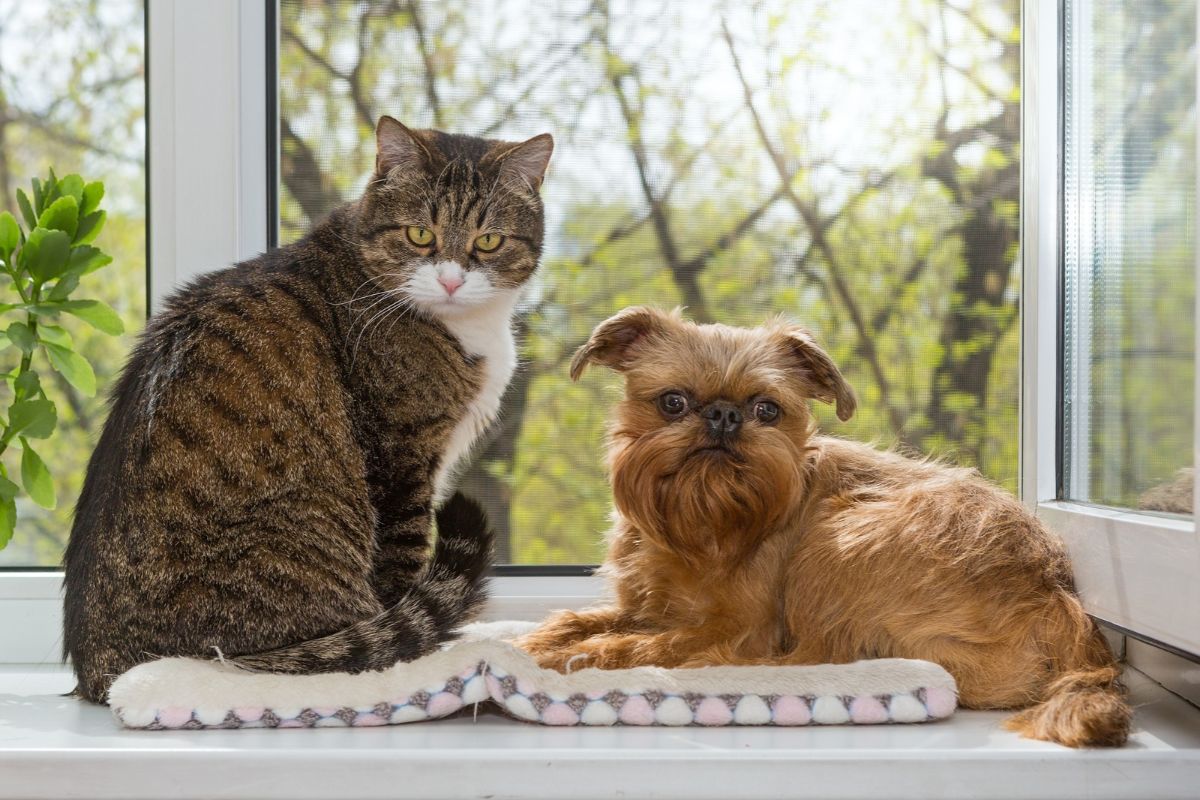
Your pet’s paws handle much more than daily walks around the neighborhood. They provide traction, absorb impact, and protect sensitive tissues underneath. However, extreme temperatures can make everyday outdoor activities uncomfortable or even dangerous. Hot pavement can burn paw pads. Ice, snow, and deicing products can also irritate or injure them.
We understand how much your pet means to your family. Knowing how to protect their paws can help prevent avoidable pain and injuries. For pet owners in Blue Springs, changing seasons make year-round paw care especially important. A few preventive habits can help keep every walk safer and more comfortable.
Want to learn more? Read this blog till the end.
Why Are Your Pet’s Paw Pads So Important?
Paw pads provide a durable surface between your pet’s feet and the ground. However, durable does not mean indestructible. Pads can become dry, cracked, irritated, burned, or injured. Small objects can also become trapped between the toes.
Dogs may continue walking despite discomfort, making early injuries easy to overlook. Regular paw checks can help you identify problems before they become more serious. Effective dog paw protection starts with understanding the surfaces and weather conditions your pet encounters.
How Does Hot Weather Affect Your Pet’s Paws?
Summer pavement can become significantly hotter than the surrounding air. Asphalt, concrete, artificial turf, and similar surfaces absorb and retain heat. Walking across these surfaces can cause discomfort, redness, blisters, or burns. Hot ground can also contribute to overheating during longer walks.
Before heading outside, place the back of your hand against the walking surface. If it feels painfully hot, choose another route.
Consider these summer precautions:
- Schedule walks during cooler mornings or evenings.
- Choose grass or shaded paths whenever possible.
- Keep outdoor walks shorter during extreme heat.
- Bring water during longer outings.
- Consider properly fitted protective boots when appropriate.
- Check every paw after returning home.
Never assume a comfortable air temperature means the pavement is equally comfortable.
What Are the Signs of Burned Paw Pads?
Pets cannot tell us when pavement hurts. Their behavior often provides the first warning.
Watch for:
- Limping or walking unusually
- Refusing to continue walking
- Frequently licking or chewing the paws
- Red or darkened paw pads
- Blisters or visible raw areas
- Loose or peeling skin
- Increased sensitivity when paws are touched
Move your pet away from the hot surface immediately when these symptoms appear.
Significant burns should receive veterinary attention. Avoid applying human creams, ointments, or medications unless your veterinarian recommends them.
How Can Cold Weather Damage Your Pet’s Paws?
Winter brings different challenges. Freezing temperatures, ice, snow, and deicing chemicals can affect sensitive paw tissue. Ice may collect between the toes and cause irritation. Sharp pieces of frozen snow can also create small cuts.
Road salt and chemical deicers may irritate paws after direct contact. Pets may then lick these substances from their feet. Cold exposure can also increase the risk of frostbite during severe weather. Effective winter paw protection for dogs includes restricting outdoor exposure and cleaning their paws afterward.
How Should You Protect Paws During Winter Walks?
Preparation can make winter outings much safer.
Keep Walks Appropriate for the Weather
Reduce outdoor time when temperatures become extremely low. Your pet’s tolerance depends on age, size, coat, health, and other individual factors.
Consider Protective Boots
Well-fitted pet boots create a barrier against snow, ice, salt, and frozen surfaces. Introduce boots gradually before expecting your dog to wear them outside.
Wipe Paws After Every Walk
Use a clean, damp cloth to remove salt, ice, mud, and possible deicing chemicals. Remember to clean between the toes.
Keep Nails Properly Trimmed
Overgrown nails can affect traction and change how a pet places weight on each foot.
Check Between the Toes
Look carefully for ice, redness, small cuts, swelling, or foreign material after winter outings.
Should You Moisturize Your Pet’s Paw Pads?
Dry weather can contribute to rough or cracked pads. However, not every moisturizer is appropriate for pets. Some human products contain ingredients that should not be swallowed. Pets commonly lick their paws after products are applied.
Ask your veterinarian about pet-safe products when your pet has persistently dry pads. Avoid excessive moisturizing without veterinary guidance. Paw pads naturally have a firmer texture that helps protect the feet.
Make Paw Checks Part of Your Routine
You do not need to wait for extreme weather to examine your pet’s feet.
After walks, gently inspect each paw. Look at the pads, nails, toes, and spaces between them.
Watch for:
- Cuts or abrasions
- Swelling
- Redness
- Cracked pads
- Broken nails
- Thorns or debris
- Unusual odors
- Discharge
- Persistent licking
Regular inspections are particularly helpful after hikes, long walks, or outdoor adventures.
AniMed Animal Hospital also recommends paw inspections after hikes and longer walks as a simple injury-prevention habit.
When Does a Paw Injury Need Veterinary Attention?
Minor irritation may improve once the source is removed. However, some paw problems require professional evaluation.
Contact a veterinarian if your pet has:
- Persistent or severe limping
- Deep cuts
- Significant bleeding
- Blisters or burns
- Severe swelling
- Open wounds
- Signs of infection
- A damaged or torn nail
- Difficulty bearing weight
- Suspected frostbite
Pets sometimes hide pain until an injury becomes difficult to ignore. Early assessment can identify tissue damage and help relieve discomfort.
Never give human pain medication without veterinary instructions. Some medications commonly used by people can be dangerous for pets.
Year-Round Paw Care Makes Every Season Safer
Seasonal protection works best alongside regular preventive care. Keep nails at a healthy length and inspect paws frequently. Maintain appropriate exercise routines and adjust outdoor activities according to weather conditions.
During summer, prioritize cooler walking times and safer surfaces. During winter, focus on limiting cold exposure and removing ice or deicing residue. These simple dog paw protection habits can reduce seasonal injuries while keeping outdoor activities enjoyable.
Help Keep Your Pet Comfortable in Every Season
Your pet relies on healthy paws for walking, playing, exploring, and enjoying time with your family. If you notice persistent licking, limping, burns, cracks, swelling, or other paw changes, seek veterinary guidance.
AniMed Animal Hospital has served pets and families in Blue Springs since 1997. Our veterinary team provides compassionate care for dogs, cats, and small mammals.
If your pet develops a paw injury or another health concern, contact us to schedule an evaluation. Same-day appointments may also be available on a first-come, first-served basis.
Frequently Asked Questions
1. How can I tell whether pavement is too hot for my dog?
Ans: Touch the pavement with your hand before walking your dog across it. Avoid that surface if you cannot comfortably maintain contact.
2. Can dogs burn their paws on hot pavement?
Ans: Yes. Hot asphalt, concrete, and similar surfaces can burn paw pads. Burns may cause redness, blisters, peeling, pain, or limping.
3. Do dog boots protect paws from both heat and cold?
Ans: Properly fitted boots can create protection against hot surfaces, ice, snow, salt, and some outdoor debris. Introduce them gradually for better comfort.
4. Should I wash my dog’s paws after walking in snow?
Ans: Cleaning paws after winter walks is helpful. Remove ice, salt, dirt, and deicing residue using a clean, damp cloth.
5. What should I do if my dog burns a paw pad?
Ans: Move your dog away from the hot surface immediately. Significant burns, blisters, severe pain, or difficulty walking require veterinary evaluation.
6. Can road salt hurt a dog’s paws?
Ans: Road salt can irritate paw pads and the skin between the toes. Wiping paws after walks reduces residue and possible ingestion through licking.
7. When should I take my dog to a veterinarian for a paw injury?
Ans: Seek veterinary care for deep wounds, persistent bleeding, severe pain, swelling, burns, infection, or difficulty walking. Suspected frostbite also requires prompt evaluation.