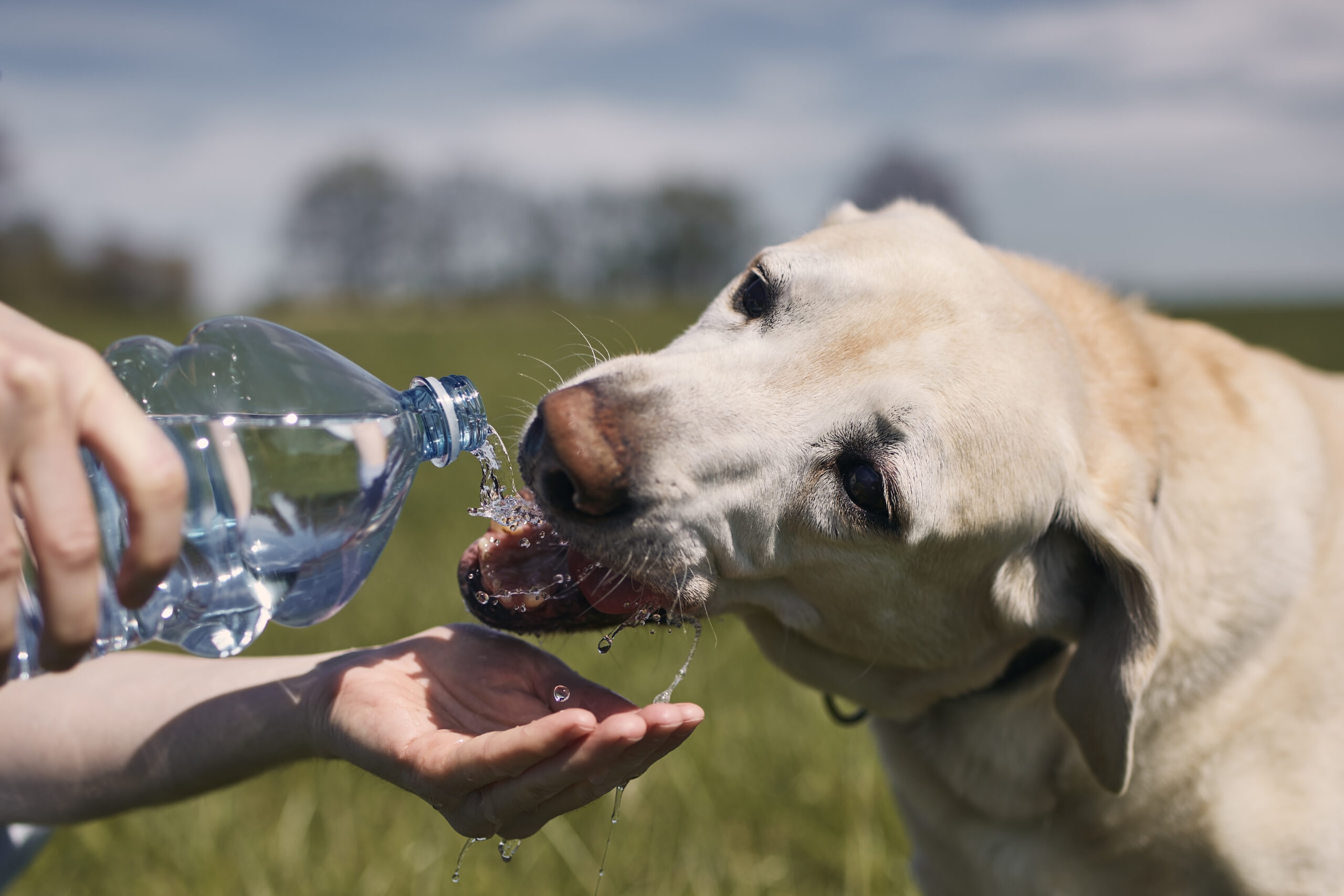


A senior dog’s nutritional needs change with age, making a well-balanced diet one of the most important factors in supporting long-term health and quality of life. While puppies and younger adult dogs often thrive on calorie-rich meals designed for growth and activity, older dogs require nutrition that helps maintain a healthy weight, supports joint function, and promotes digestive health.
As dogs enter their senior years, pet owners may notice changes in energy levels, appetite, and mobility. Understanding what foods provide the right balance of protein, healthy fats, fiber, vitamins, and minerals can make a meaningful difference in your dog’s comfort and overall well-being. Whether you have a small breed entering its golden years or a large breed experiencing age-related changes, selecting the healthiest food is an essential part of responsible pet ownership.
If you have questions about your pet’s dietary needs, consulting with experienced vets Blue Springs residents trust can help ensure your dog receives individualized nutritional support throughout every stage of life.
When Is a Dog Considered a Senior?
A dog’s age is only one factor in determining whether it is considered a senior. Size and breed play a significant role:
- Small dogs: Typically considered seniors around 10–12 years old
- Medium dogs: Around 8–10 years old
- Large dogs: Around 7–8 years old
- Giant breeds: As early as 5–7 years old
As dogs age, their metabolism slows, and they may become less active. These changes can increase the risk of obesity, arthritis, digestive issues, and other age-related concerns. Providing proper nutrition can help support healthy aging and maintain an active lifestyle.
Common signs of aging in dogs include:
- Graying around the muzzle
- Reduced activity levels
- Weight gain or loss
- Difficulty climbing stairs
- Changes in appetite
- Increased sleeping
- Mild cognitive changes
Monitoring these changes and adjusting your dog’s diet accordingly can contribute significantly to their overall health.
What Makes Senior Dog Food Different?
Senior dog food is formulated to address the unique needs of aging pets. The healthiest foods for older dogs typically contain carefully balanced ingredients that support multiple body systems.
Higher-Quality Protein
Contrary to popular belief, many senior dogs still benefit from adequate protein intake. Protein helps maintain muscle mass, which naturally decreases with age. Look for foods that list real meat, fish, or poultry as the first ingredient.
Examples include:
- Chicken
- Turkey
- Salmon
- Lamb
- Beef
High-quality protein can help senior dogs remain strong and support healthy immune function.
Controlled Calories
Older dogs often require fewer calories due to decreased activity levels. Excess calorie consumption can contribute to obesity, which may worsen joint issues and place additional strain on the heart.
A balanced senior diet should provide sufficient nutrition without unnecessary calories.
Increased Fiber
Fiber supports digestive health and can help regulate bowel movements. Ingredients such as pumpkin, brown rice, oats, and sweet potatoes may aid digestion while helping dogs feel satisfied after meals.
Joint Support Ingredients
Many premium senior dog foods contain nutrients such as:
- Glucosamine
- Chondroitin
- Omega-3 fatty acids
These ingredients may help support joint health and mobility in aging pets.
Antioxidants
Antioxidants can support immune health and help combat oxidative stress associated with aging. Senior-friendly foods often include ingredients like:
- Blueberries
- Spinach
- Carrots
- Vitamin E
- Vitamin C
Choosing foods with these beneficial nutrients can help support your dog’s overall wellness.
The Healthiest Foods for Senior Dogs
While every dog has unique nutritional needs, several foods are commonly recommended for senior pets.
Lean Proteins
Lean proteins remain an important component of a healthy senior diet. They help preserve muscle while providing essential amino acids.
Good options include:
- Skinless chicken
- Turkey
- Fish
- Lean beef
- Eggs
Fish is especially beneficial because it contains omega-3 fatty acids, which support skin, coat, brain, and joint health.
Healthy Carbohydrates
Senior dogs still need carbohydrates for energy. Focus on nutrient-rich sources such as:
- Brown rice
- Sweet potatoes
- Oatmeal
- Barley
- Quinoa
These foods provide sustained energy and are generally easier to digest than highly processed fillers.
Fruits and Vegetables
Many fruits and vegetables can be healthy additions to a senior dog’s diet when fed appropriately.
Examples include:
- Blueberries
- Green beans
- Pumpkin
- Apples (without seeds)
- Carrots
- Peas
These foods contain vitamins, minerals, and antioxidants that may support healthy aging.
Healthy Fats
Healthy fats are important in moderation. Omega-3 fatty acids can help support cognitive function and reduce inflammation.
Sources include:
- Salmon oil
- Fish oil
- Flaxseed
- Sardines
Always consult your veterinarian before introducing supplements to your dog’s diet.
Plenty of Water
Hydration becomes increasingly important as dogs age. Some senior pets naturally drink less water, increasing the risk of dehydration.
Encourage water intake by:
- Keeping fresh water available
- Cleaning bowls regularly
- Offering water in multiple locations
- Incorporating veterinarian-approved wet food if appropriate
Proper hydration supports kidney function and overall health.
Foods Senior Dogs Should Avoid
Just as important as knowing what to feed your dog is understanding what should be avoided.
Some foods can be harmful or difficult for older dogs to digest, including:
- Excessively fatty foods
- Highly processed table scraps
- Foods high in sodium
- Chocolate
- Grapes and raisins
- Onions and garlic
- Xylitol-containing products
- Excessive dairy
Even seemingly harmless treats can contribute to weight gain over time. Moderation is key when offering snacks to senior pets.
If your dog has specific medical concerns, dietary recommendations may vary. An evaluation at a Blue Springs animal hospital can help determine the safest and healthiest options for your pet.
How Nutrition Supports Common Senior Dog Health Concerns
Proper nutrition does more than satisfy hunger, it can help support various aspects of a senior dog’s health.
Weight Management
Maintaining a healthy weight reduces stress on joints and supports mobility. Obesity remains one of the most common health concerns among aging dogs.
Joint Health
Ingredients rich in omega-3 fatty acids and joint-support nutrients may help dogs remain comfortable and active.
Digestive Health
Senior dogs may experience more sensitive stomachs. Easily digestible ingredients and adequate fiber can help promote regular digestion.
Cognitive Function
Some studies suggest that antioxidants and omega-3 fatty acids may help support brain health in aging dogs.
Skin and Coat Health
Dry skin and a dull coat can become more common with age. Balanced nutrition with essential fatty acids can help maintain healthy skin and a shiny coat.
By addressing these common concerns proactively, pet owners can support their dog’s comfort and quality of life.
How to Transition Your Dog to a Senior Diet
Switching foods too quickly can upset your dog’s digestive system. A gradual transition is typically recommended over 7–10 days.
A sample transition schedule:
- Days 1–2: 25% new food, 75% old food
- Days 3–4: 50% new food, 50% old food
- Days 5–6: 75% new food, 25% old food
- Days 7–10: 100% new food
Watch for signs of digestive upset during the transition, including:
- Vomiting
- Diarrhea
- Decreased appetite
- Excessive gas
If symptoms persist, consult your veterinarian for guidance.
Signs Your Senior Dog May Need a Dietary Change
Your dog’s current food may no longer meet their needs as they age. Watch for these signs:
- Sudden weight changes
- Loss of muscle mass
- Chronic digestive issues
- Reduced energy levels
- Difficulty chewing kibble
- Dry skin or coat changes
- Increased thirst or urination
Regular wellness visits can help identify nutritional concerns early. Pet owners searching for an animal hospital near you can benefit from professional dietary recommendations tailored to their dog’s age, breed, and lifestyle.
Partnering With Your Veterinarian for Senior Nutrition
There is no single “best” food for every senior dog. Factors such as breed, size, activity level, and existing health conditions all influence nutritional requirements.
Veterinarians can help evaluate:
- Body condition score
- Weight trends
- Dental health
- Digestive function
- Mobility concerns
- Overall health status
Routine examinations are an excellent opportunity to discuss whether your dog’s diet remains appropriate as they age. If you’re concerned about your senior dog’s nutritional needs, consider reaching out to AniMed Animal Hospital in Blue Springs to schedule an appointment and discuss a personalized nutrition plan.
Supporting your senior dog through proper nutrition is one of the most impactful investments you can make in their long-term health and happiness.
Final Thoughts
Senior dogs deserve thoughtful nutritional care that adapts to their changing needs. A diet rich in high-quality protein, healthy fats, fiber, and antioxidants can help support mobility, digestion, cognitive function, and overall well-being throughout their golden years.
By paying attention to your dog’s body condition, appetite, and activity levels, you can make informed decisions that promote healthy aging. Every dog is unique, and working closely with veterinary professionals can help ensure your companion receives the nutrients they need to thrive.
Whether your dog is just entering their senior years or has been enjoying retirement for some time, providing balanced nutrition is an important step toward helping them remain comfortable, active, and by your side for years to come.
Frequently Asked Questions
1. What is the best protein for senior dogs?
Ans: High-quality proteins such as chicken, turkey, salmon, and eggs are excellent choices for many senior dogs because they help maintain muscle mass and support overall health.
2. Should senior dogs eat less food?
Ans: Many senior dogs require fewer calories due to reduced activity levels, but nutritional needs vary. Your veterinarian can recommend appropriate portion sizes based on your dog’s condition and lifestyle.
3. Is wet food better for senior dogs?
Ans: Wet food can be beneficial for some senior dogs, especially those with dental concerns or reduced appetite. However, the best option depends on your dog’s individual needs.
4. Can senior dogs eat fruits and vegetables?
Ans: Yes, many fruits and vegetables such as carrots, pumpkin, blueberries, and green beans can be healthy additions when offered in moderation and approved by your veterinarian.
5. How often should senior dogs eat?
Ans: Most senior dogs do well with two meals per day, although some may benefit from smaller, more frequent meals depending on their health status.
6. When should I switch my dog to senior food?
Ans: The transition varies by breed and size. Small breeds may switch around 10 years of age, while large breeds often benefit from senior diets as early as 7 years old. Consulting your veterinarian can help determine the ideal time for your pet.