

As dogs grow older, maintaining a healthy weight becomes increasingly important for their comfort, mobility, and overall quality of life. A senior dog may become less active, lose muscle, or experience changes in metabolism, while eating habits may remain the same. These changes can gradually lead to unwanted weight gain.
Extra weight is more than a cosmetic concern. It can place additional stress on your dog’s joints, make movement more difficult, and contribute to other health problems. On the other hand, unexplained weight loss may indicate an underlying health concern that deserves professional attention.
Understanding how aging affects your dog’s weight can help you make better decisions about nutrition, exercise, and routine veterinary care. With appropriate monitoring and guidance, senior dogs can maintain a healthy body condition and continue enjoying their daily activities.
Why Weight Management Is Important for Senior Dogs
Weight management is an essential part of senior pet care in Blue Springs because older dogs often experience physical and metabolic changes that affect how their bodies use calories.
As a dog ages, its metabolism may slow down. At the same time, activity levels can decrease because of stiffness, reduced endurance, or age-related changes. If your dog continues eating the same amount of food while burning fewer calories, gradual weight gain may occur.
Excess body weight can place additional pressure on the hips, knees, spine, and other joints. This may make walking, climbing stairs, getting into the car, or standing up more difficult.
Maintaining a healthy weight can help reduce unnecessary strain and support mobility. It can also make it easier for your veterinarian to monitor your dog’s overall health and identify changes that may need attention.
How Aging Can Change a Dog’s Weight
Senior dogs do not all age in the same way. Breed, size, activity level, lifestyle, and existing health conditions can all influence weight.
Slower Metabolism
Older dogs generally need fewer calories than younger, highly active dogs. If calorie intake does not change as activity decreases, excess calories may be stored as body fat.
This does not mean every senior dog needs a dramatic diet change. Instead, food portions should be evaluated based on your dog’s individual needs.
Reduced Physical Activity
A younger dog may spend much of the day running, playing, and exploring. A senior dog may prefer shorter walks and longer periods of rest.
Reduced activity means fewer calories are burned. However, completely eliminating exercise can contribute to further muscle loss and reduced mobility.
Loss of Muscle Mass
Weight alone does not tell the whole story. Some older dogs may maintain a similar number on the scale while losing muscle and gaining body fat.
For this reason, veterinarians often assess body condition and muscle condition rather than relying only on body weight.
Changes in Appetite
Some senior dogs may eat less as they age. Dental discomfort, changes in smell or taste, digestive problems, or other health issues can affect appetite.
Persistent or unexplained weight loss should not simply be attributed to getting older. A veterinarian can help determine whether an underlying problem is contributing to the change.
How to Tell If Your Senior Dog Is Overweight
Knowing your dog’s ideal weight is important, but body condition is also a valuable measurement.
A healthy dog should generally have ribs that can be felt beneath a thin layer of fat without being prominently visible. When viewed from above, the body should have some definition behind the rib cage. From the side, there should typically be an abdominal tuck.
An overweight dog may have less visible waist definition and a thicker layer of fat over the ribs. You may also notice that your dog becomes tired more quickly during normal activities.
Watch for Gradual Changes
Weight gain often happens slowly. You may not notice a difference until your dog’s collar becomes tighter, movement changes, or grooming reveals a different body shape.
Regular weigh-ins can help identify small changes before they become significant. Keeping a simple record of your dog’s weight can also help your veterinarian evaluate long-term trends.
Nutrition Tips for Senior Dog Weight Management
Nutrition plays a major role in maintaining a healthy body condition. However, there is no single diet that is appropriate for every senior dog.
Your dog’s food requirements may depend on age, breed, size, activity level, body condition, and overall health.
Measure Food Portions
Avoid estimating portions by sight. Measuring your dog’s food can provide better consistency and make it easier to adjust calorie intake when necessary.
Feeding guidelines on food packaging can provide a starting point, but individual dogs may require different amounts.
Keep Treats Under Control
Treats can contribute a surprising number of calories to a dog’s daily intake. Even small snacks can add up when given frequently.
Consider using smaller treats and accounting for them when planning your dog’s daily food intake. Avoid allowing treats and table food to replace balanced meals.
Choose Nutritionally Appropriate Food
Senior dogs may benefit from diets designed to support healthy weight, muscle maintenance, digestion, or other age-related needs. The best choice depends on the individual dog.
A veterinarian can evaluate your dog’s body condition and help determine whether the current diet is still appropriate.
AniMed Animal Hospital emphasizes that senior pets may need food intake adjusted as activity levels decrease, with diet recommendations tailored to the individual pet.
Exercise and Weight Management for Older Dogs
Exercise remains important during the senior years, but the goal should be safe, consistent movement rather than intense activity.
Short walks can provide physical activity while also giving your dog opportunities to sniff and explore. Several shorter walks may be more comfortable than one long outing.
Gentle play at home can also help keep your dog moving. Depending on your dog’s condition, activities may include slow walks, controlled play, or other low-impact exercises recommended by your veterinarian.
Adjust Activity to Your Dog
Pay attention to how your dog responds to exercise. Difficulty getting up, reluctance to walk, excessive fatigue, or noticeable changes in movement may indicate that the activity needs to be modified.
The goal is to maintain mobility without pushing your senior dog beyond a comfortable level.
Regular movement can also help preserve muscle mass, which is especially important as dogs age.
The Role of Senior Pet Care in Blue Springs
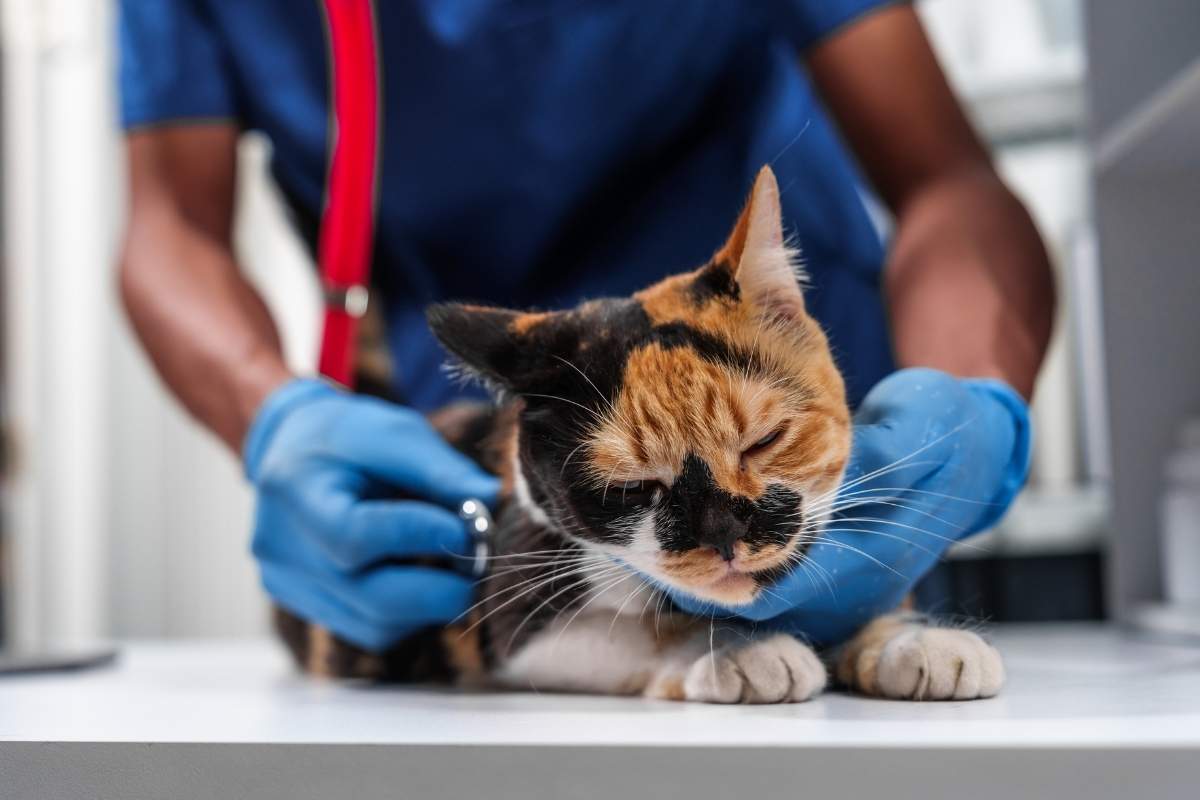
Weight management should be part of a broader senior wellness plan. Routine veterinary examinations allow your dog’s weight, body condition, mobility, appetite, and overall health to be monitored over time.
AniMed Animal Hospital recommends semi-annual wellness exams for senior pets because older animals can experience health changes more quickly. These visits provide an opportunity to identify concerns early and adjust nutrition, exercise, and home care recommendations as needed.
During an examination, your veterinarian may assess your dog’s:
- Body weight
- Body condition
- Muscle condition
- Mobility
- Joint comfort
- Appetite
- Dental health
- Overall physical condition
This individualized approach is one reason working with a veterinarian in Blue Springs can be valuable for owners of aging dogs.
When Weight Loss May Need Veterinary Attention
Weight gain is not the only concern for senior dogs. Unintentional weight loss can also be important.
If your dog is eating normally but continues losing weight, or if you notice a significant change in appetite, drinking habits, energy, digestion, or behavior, talk with your veterinarian.
Older dogs can develop health conditions that affect appetite, digestion, metabolism, or the body’s ability to maintain muscle. Identifying the reason for weight loss can help your veterinarian develop an appropriate care plan.
A comprehensive senior evaluation may include a physical examination and additional diagnostic testing when appropriate.
Simple Ways to Support a Healthy Weight at Home
Pet owners can take several practical steps to support healthy weight management between veterinary visits.
Create a Consistent Feeding Routine
Feed your dog measured portions at consistent times. Avoid leaving food available throughout the day unless your veterinarian specifically recommends free-choice feeding.
Monitor Treats
Keep track of treats, chews, table food, and other calorie sources. If several family members feed your dog, make sure everyone understands the daily limits.
Weigh Your Dog Regularly
Regular weight checks can help you recognize trends. A small change may be easier to address than a significant gain or loss.
Encourage Gentle Movement
Keep your senior dog active with comfortable walks and age-appropriate activities. Consistency is generally more useful than occasional strenuous exercise.
Make the Home Comfortable
Senior dogs may benefit from easy access to food, water, sleeping areas, and outdoor spaces. If stairs have become difficult, consider making necessary resources available on the floor where your dog spends most of the day.
How a Veterinarian Can Help With Senior Dog Weight Management
Every senior dog has different nutritional and lifestyle needs. A veterinarian can evaluate your dog’s current weight and body condition and determine whether changes are appropriate.
Your veterinarian can also help establish realistic weight goals. A gradual approach is often preferable to making major changes without professional guidance.
If your dog needs to lose weight, the plan may involve portion adjustments, dietary changes, increased activity, or a combination of these strategies. If your dog is underweight, your veterinarian can investigate potential causes and recommend appropriate nutritional support.
For families searching for senior pet care near you, choosing a veterinary team that can monitor your pet throughout the aging process can make weight management easier and more consistent.
Helping Your Senior Dog Maintain a Healthy Weight
Senior dog weight management is about much more than controlling the number on the scale. A healthy body condition can support mobility, comfort, muscle strength, and overall quality of life as your dog grows older.
By measuring portions, limiting unnecessary treats, encouraging appropriate activity, monitoring weight changes, and maintaining regular veterinary care, you can give your senior companion a stronger foundation for healthy aging.
If you are looking for senior pet care in Blue Springs, professional guidance can help you create a weight management plan suited to your dog’s individual needs. AniMed Animal Hospital provides senior pet care focused on monitoring older pets and supporting their health and quality of life.
If you have noticed changes in your senior dog’s weight, appetite, activity, or body condition, schedule an appointment with our animal hospital so your pet can receive an individualized evaluation and care recommendations.
Frequently Asked Questions
1. How often should I check my senior dog’s weight?
Ans: Regular monitoring can help identify gradual changes. Your veterinarian can recommend an appropriate schedule based on your dog’s age, size, activity level, and health. Tracking weight at home between routine visits can also be useful.
2. Should senior dogs eat less food?
Ans: Not necessarily. Some senior dogs need fewer calories because they are less active, while others may have different nutritional needs. Food portions should be based on your dog’s body condition and individual requirements rather than age alone.
3. Can exercise help my senior dog lose weight?
Ans: Yes. Appropriate physical activity can help support calorie management and preserve muscle. However, exercise should be adjusted to your dog’s mobility and comfort. Short, gentle activities may be more suitable than strenuous exercise.
4. How can I tell if my senior dog is overweight?
Ans: You may notice reduced waist definition, difficulty feeling the ribs, lower stamina, or changes in body shape. A veterinarian can perform a body condition assessment to provide a more accurate evaluation.
5. Is unexplained weight loss normal in an older dog?
Ans: Weight loss should not automatically be considered a normal part of aging. Persistent or unexplained weight loss can have several causes and should be discussed with a veterinarian so the underlying reason can be evaluated.
6. How often should senior dogs visit the veterinarian?
Ans: Senior dogs can benefit from more frequent wellness monitoring. AniMed Animal Hospital recommends semi-annual visits for senior pets to help identify age-related changes early and adjust their care as needed.