Dogs and cats cannot tell us when a tooth hurts. More importantly, they may continue eating, playing, greeting their families, and following familiar routines despite significant mouth discomfort. This can make dental problems surprisingly difficult to recognize.
For pet owners in Blue Springs, noticing small changes in everyday behavior can provide valuable clues about their pet’s oral health. Eating more slowly, dropping kibble, avoiding a favorite chew toy, or becoming less interested in facial contact may deserve attention. These changes do not confirm dental disease on their own, but they can signal that professional dental pet care and a veterinary examination are appropriate.
Why Do Dogs and Cats Hide Dental Pain?
Mouth pain does not always cause dramatic behavior. Dental problems can develop gradually, giving pets time to adjust how they eat and behave.
Instead of refusing food completely, a pet may chew on the less painful side of the mouth. A cat may swallow dry food with less chewing. A dog may still approach the food bowl enthusiastically but hesitate when biting something firm.
This ability to compensate is one reason oral disease can progress without owners immediately recognizing discomfort. A pet that is still eating can still have a painful tooth or inflamed gums.
What Are the Subtle Signs of Dental Pain in Pets?
Some signs involve the mouth directly. Others appear as small changes in behavior or daily habits.
Watch for changes such as:
- Persistent unpleasant breath
- Red, swollen, or bleeding gums
- Yellow or brown buildup on teeth
- Drooling more than usual
- Dropping food while eating
- Chewing mostly on one side
- Taking longer to finish meals
- Hesitating before picking up hard food
- Pawing or rubbing at the face
- Reduced interest in chew toys
- Pulling away when the face or mouth is touched
- Decreased grooming in cats
- Irritability or unusual withdrawal
- Reduced interest in play or interaction
One isolated change does not necessarily mean your pet has dental disease. Similar signs can occur with injuries, gastrointestinal illness, neurologic problems, tumors, or other medical conditions. A veterinary examination helps determine what is actually causing the change.
Why Can a Pet Keep Eating With a Painful Mouth?
This is one of the most important misconceptions about oral pain.
Many owners reasonably assume that a pet with a painful tooth would stop eating. In reality, dogs and cats may modify how they eat rather than stop altogether.
You might notice a pet approaching meals normally but chewing differently. Some pets favor softer food, move food around in their mouths, swallow pieces quickly, or leave harder pieces behind.
Pay attention to how your pet eats, not simply whether your pet eats.
A sudden change in chewing deserves particular attention when it occurs with bad breath, drooling, gum inflammation, facial sensitivity, or visible tooth damage.
What Dental Problems Can Cause Mouth Pain?
Several oral conditions may cause discomfort. Periodontal disease is a common concern and develops when plaque and bacteria contribute to inflammation around the gums and supporting tissues of the teeth.
Other possible problems include:
- Broken or fractured teeth
- Loose teeth
- Infection around a tooth root
- Inflamed gums
- Advanced periodontal disease
- Tooth resorption, particularly in cats
- Oral wounds or foreign material
- Abnormal tooth positioning
- Oral masses or other tissue changes
Not every problem can be identified by looking at the visible portion of a tooth. Disease can exist beneath the gumline, where owners cannot see it.
If your pet’s eating habits or behavior have recently changed, Contact our animal hospital now to discuss whether an examination should be scheduled.
Why a Normal-Looking Tooth Can Still Hurt
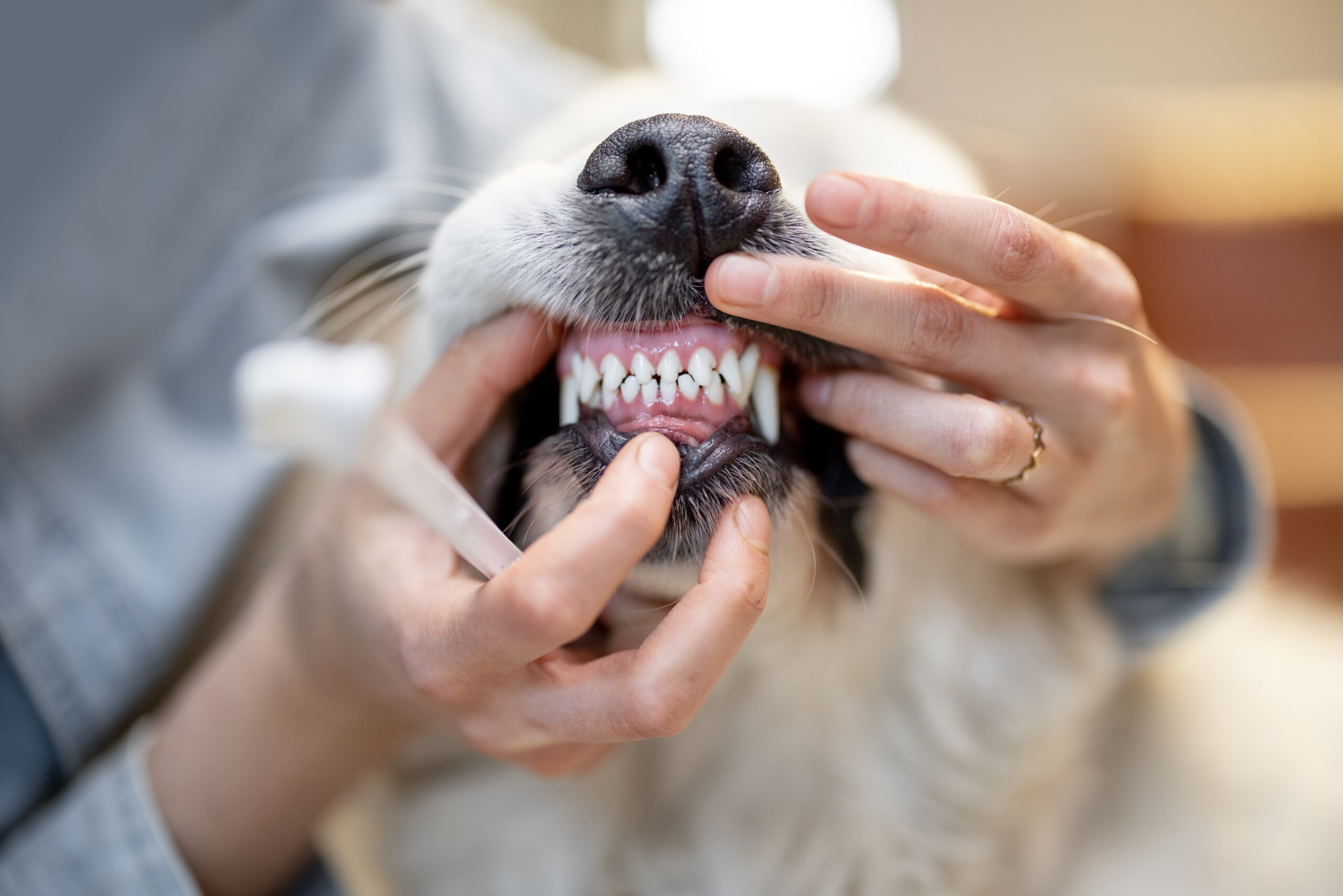
A quick look inside your pet’s mouth at home has limitations. Much of a tooth lies below the gumline, and problems involving the roots or surrounding bone may not be visible from the surface.
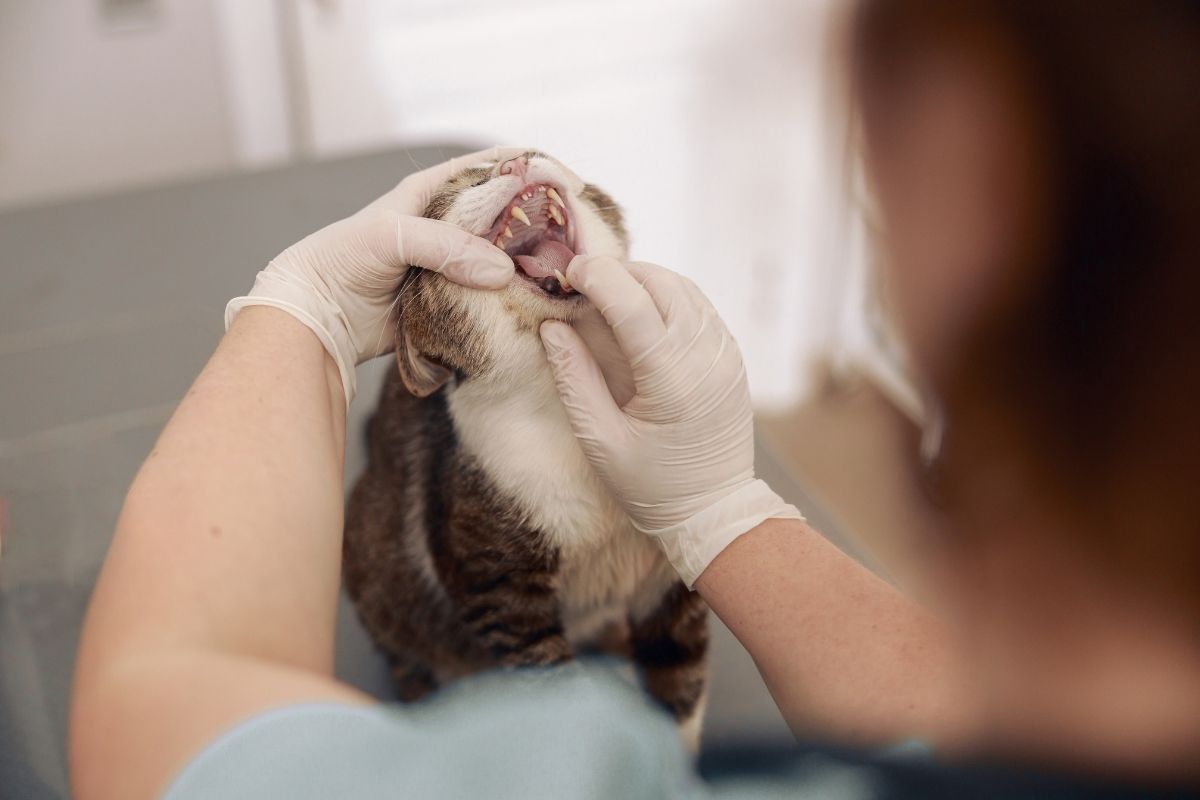
A veterinarian can begin with an oral examination while your pet is awake. Depending on the findings, a more complete dental assessment may be recommended.
Dental X-rays are particularly valuable because they allow veterinarians near you to examine structures below the gumline. They may reveal changes involving tooth roots, surrounding bone, unerupted teeth, or other problems that cannot be fully evaluated by sight alone.
This is an important reason not to assume that a relatively clean-looking mouth is necessarily free of disease.
When Should Subtle Dental Signs Be Checked?
A mild change that happens once may simply require observation. For example, briefly dropping a piece of food without any other symptoms may not indicate a dental problem.
An examination becomes more important when a change persists, returns repeatedly, or appears alongside other signs.
Schedule a veterinary examination if you notice ongoing bad breath, recurring difficulty chewing, inflamed gums, reduced interest in hard food, excessive drooling, facial sensitivity, or a change in normal eating behavior.
Prompt veterinary attention may be appropriate if your pet has facial swelling, obvious oral bleeding, a visibly broken tooth, significant pain, or suddenly cannot eat normally.
Seek urgent veterinary guidance when there is severe facial trauma, uncontrolled bleeding, difficulty breathing, collapse, or another rapidly developing problem. If you are unsure about the severity of a symptom, contact a veterinary hospital for guidance rather than attempting to diagnose the problem at home.
Can Behavior Changes Point to a Painful Mouth?
Sometimes the earliest clue has little to do with the food bowl.
A previously social dog may become reluctant to have its head touched. A cat may spend more time alone or groom less often. Another pet may lose interest in toys that require gripping or chewing.
These changes can have many causes, so dental disease should not automatically be assumed. However, a noticeable change from your pet’s normal behavior is worth discussing with a veterinarian, particularly when it occurs with oral symptoms.
For owners, knowing what is normal for their individual pet is often more useful than waiting for an obvious sign of pain.
How Can Pet Owners Reduce the Risk of Dental Problems?
Prevention begins with routine oral assessment and consistent home care.
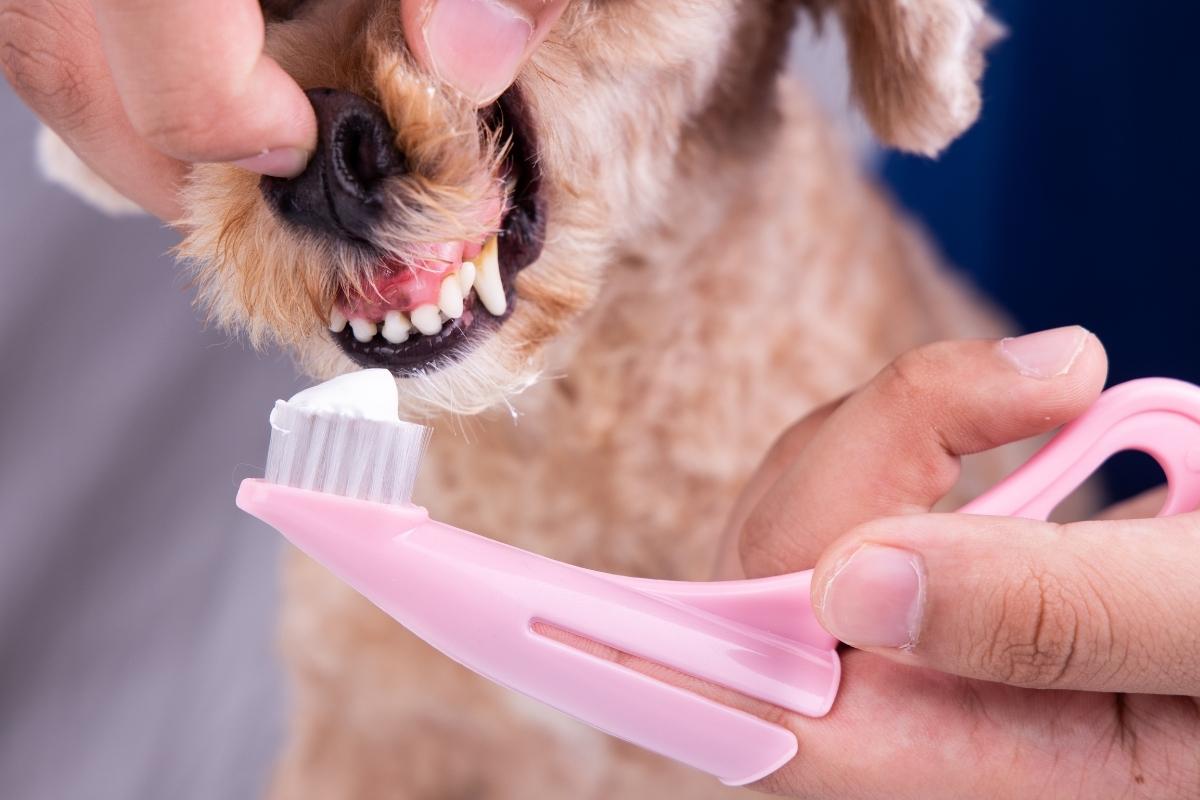
Brushing with toothpaste made specifically for pets can help control plaque. Your veterinarian can also discuss dental diets, chews, or other oral-health products that may be appropriate for your dog or cat.
Never use human toothpaste unless a veterinarian specifically directs otherwise. Also, do not give human pain medication for suspected mouth pain. Some human medications can be dangerous for pets.
Home care also cannot remove established disease below the gumline. If your veterinarian identifies concerning changes, a professional dental assessment and treatment plan may be recommended.
Help Your Pet Stay Comfortable in Blue Springs
Dental discomfort can be easy to overlook because pets often adapt instead of showing obvious pain. Small changes in chewing, breath, grooming, play, or social behavior may be the first reason to take a closer look.
For families in Blue Springs and nearby communities, including Independence, Grain Valley, Oak Grove, and Lee’s Summit, AniMed Animal Hospital can evaluate concerning oral changes and determine whether further testing or treatment may be appropriate.
Consistent pet dental care can help identify oral problems before they become harder to overlook. If you have noticed a change in your dog’s or cat’s mouth, eating habits, or behavior, do not wait for complete food refusal before seeking advice. Make pet dental care part of your pet’s ongoing health routine. Call our hospital at 816-220-0222 to schedule a consultation.
Frequently Asked Questions
1. Can my pet have dental pain even if they are still eating?
Ans: Yes. Dogs and cats may continue eating despite oral discomfort. They can compensate by chewing differently, favoring one side, swallowing food with less chewing, or avoiding harder items. Persistent changes in eating habits should be evaluated by a veterinarian.
2. What are the earliest signs of dental problems in dogs and cats?
Ans: Persistent bad breath, gum redness, tartar buildup, subtle chewing changes, drooling, and decreased interest in chew toys can be early clues. AniMed Animal Hospital can examine pets showing these changes and determine whether additional dental assessment is appropriate.
3. When should I take my pet to a veterinarian for bad breath?
Ans: Occasional odor after eating may not be concerning, but persistent or increasingly unpleasant breath can accompany dental disease. If it occurs with red gums, drooling, eating changes, or facial sensitivity, AniMed Animal Hospital can evaluate the underlying cause.
4. Can dental problems make a dog or cat act differently?
Ans: Yes. Oral discomfort may contribute to irritability, withdrawal, reduced play, reluctance to have the face touched, or changes in grooming. These behaviors can also have other medical causes, so an examination is important rather than assuming the problem is dental.
5. Do older pets have a higher risk of dental problems?
Ans: Dental problems can occur at any age, but oral disease can accumulate over time. Senior pets may also develop several different oral conditions. AniMed Animal Hospital can assess the teeth and gums during routine examinations and discuss further evaluation when concerning changes are found.
6. Can brushing my pet’s teeth prevent every dental problem?
Ans: No. Regular brushing can help control plaque, but it cannot prevent every condition or treat disease already present below the gumline. Broken teeth, tooth resorption, advanced periodontal disease, and other problems may require veterinary diagnosis and treatment.